Food Safety
search
Ask Food Safety AI
cart
facebook twitter linkedin
  • Sign In
  • Create Account
  • Sign Out
  • My Account
Food Safety
  • NEWS
    • Latest News
    • White Papers
  • PRODUCTS
  • TOPICS
    • Contamination Control
    • Food Types
    • Management
    • Process Control
    • Regulatory
    • Sanitation
    • Supply Chain
    • Testing and Analysis
  • PODCAST
  • EXCLUSIVES
    • Food Safety Five Newsreel
    • eBooks
    • FSM Distinguished Service Award
    • Interactive Product Spotlights
    • Videos
  • BUYER'S GUIDE
  • MORE
    • ENEWSLETTER >
      • Archive Issues
      • Subscribe to eNews
    • Store
    • Sponsor Insights
    • ASK FSM AI
  • WEBINARS
  • FOOD SAFETY SUMMIT
  • EMAG
    • eMagazine
    • Archive Issues
    • Editorial Advisory Board
    • Contact
    • Advertise
  • SIGN UP!
NewsContamination ControlProcess ControlRegulatoryChemicalPackagingFDA

Senators Urge FDA to Revoke Authorizations for Phthalates in Food Contact Materials
By Food Safety Magazine Editorial Team
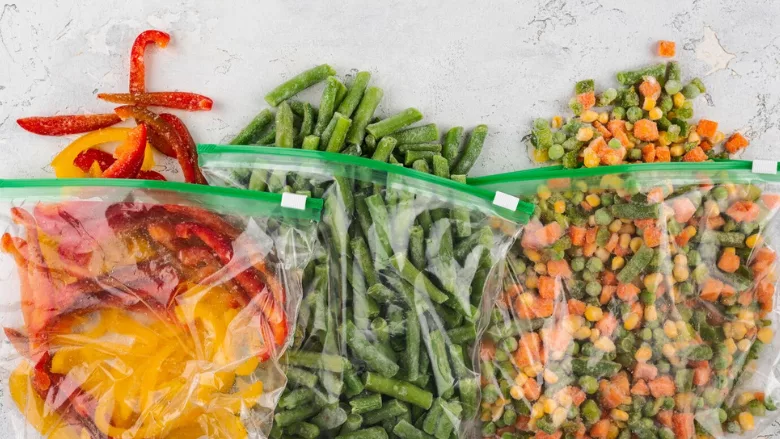
vegetables in clear plastic storage bags

Image credit: Freepik

October 3, 2024

U.S. Senators Edward Markey (D-Massachusetts) and Cory Booker (D-New Jersey) recently wrote a letter to U.S. Food and Drug Administration (FDA) Commissioner Robert M. Califf, M.D. urging the agency to revoke its authorization for phthalates in food contact materials (FCMs).

Phthalates are chemicals used to make plastics more flexible, durable, and transparent. At present, nine phthalates are approved for use in FCMs.

In their letter, the senators point to evidence of harm to human health from exposure to phthalates, especially to the neurodevelopmental health of infants and children. They also cite evidence that shows pregnant women’s exposure to phthalates causes preterm labor and complications, and impairs their unborn babies’ brain development and function.

For example, a 2022 study from Northwestern Medicine demonstrated a causal link between di-(2-ethylhexyl) (DEHP), a phthalate commonly used in food packaging, and the growth of uterine fibrioids—tumors that can lead to uncontrolled bleeding, anemia, miscarriages, and infertility.

Additionally, the letter mentions that the Environmental Protection Agency (EPA) has already highlighted health concerns with phthalates, designating several phthalates as high-priority substances for risk evaluation under the Toxic Substances Control Act and as toxic pollutants under the Clean Water Act. Under the Consumer Product Safety Improvement Act of 2008, the Consumer Product Safety Commission (CPSC) also banned certain phthalates in children’s toys due to toxicity concerns.

CPSC and EPA have both concluded that diet is the primary source of exposure to FDA-approved phthalates among women, infants, toddlers, and children. In January 2024, testing conducted by Consumer Reports found the presence of phthalates in nearly every food that was sampled.

The senators argue that FDA has holds the legal authority to independently revoke its authorizations for phthalates in FCMs if the approved phthalates do not meet the safety standards established by the Food, Drug, and Cosmetic Act, as FDA as a statutory responsibility to ensure that packaging and production materials that come into contact with food do not contain toxic chemicals that can harm consumers. The letter encourages FDA to conduct a review of current scientific evidence to make such a determination.

Looking for quick answers on food safety topics?
Try Ask FSM, our new smart AI search tool.
Ask FSM →

Another way in which FDA could revoke its authorization for phthalates in FCMs is by granting the relief requested in the pending objections to FDA’s denial of the 2016 food additive petition submitted by Earthjustice and other stakeholders, and by reconsidering its denial of the 2016 citizen petition, which asked that FDA revoke food-additive authorizations and prior-sanctioned uses of certain phthalates in FCMs.

In the absence of federal action, the letter says, several states have chosen to take matters into their own hands. California, Maine, and Vermont have enacted their own regulations banning, controlling, or limiting the use of phthalates in FCMs and other materials, and similar legislation was introduced in Michigan’s legislature in 2023.


KEYWORDS: Congress food contact materials (FCMs) phthalates

Share This Story

Fsm purple logo 200x200

The Food Safety Magazine editorial team comprises Bailee Henderson, Digital Editor ✉; Adrienne Blume, M.A., Editorial Director; and Stacy Atchison, Publisher.

Recommended Content

JOIN TODAY
to unlock your recommendations.

Already have an account? Sign In

  • people holding baby chicks

    Serovar Differences Matter: Utility of Deep Serotyping in Broiler Production and Processing

    This article discusses the significance of Salmonella in...
    Meat/Poultry
    By: Nikki Shariat Ph.D.
  • woman washing hands

    Building a Culture of Hygiene in the Food Processing Plant

    Everyone entering a food processing facility needs to...
    Sanitation
    By: Richard F. Stier, M.S.
  • graphical representation of earth over dirt

    Climate Change and Emerging Risks to Food Safety: Building Climate Resilience

    This article examines the multifaceted threats to food...
    Best Practices
    By: Maria Cristina Tirado Ph.D., D.V.M. and Shamini Albert Raj M.A.
Manage My Account
  • eMagazine Subscription
  • Subscribe to eNewsletter
  • Manage My Preferences
  • Website Registration
  • Subscription Customer Service

More Videos

Sponsored Content

Sponsored Content is a special paid section where industry companies provide high quality, objective, non-commercial content around topics of interest to the Food Safety Magazine audience. All Sponsored Content is supplied by the advertising company and any opinions expressed in this article are those of the author and not necessarily reflect the views of Food Safety Magazine or its parent company, BNP Media. Interested in participating in our Sponsored Content section? Contact your local rep!

close
  • Salmonella bacteria
    Sponsored byThermoFisher

    Food Microbiology Testing Methods: Salmonella species

  • a diagram explaining indicator organisms
    Sponsored byHygiena

    How Proactive Listeria Testing Helps Prevent Six- and Seven-Figure Recalls

  • woman grocery shopping
    Sponsored byCorbion

    Designing Safety Into Every Bite: Proactive Risk Mitigation for Refrigerated Foods

Popular Stories

NRTE breaded stuffed chicken

USDA Indefinitely Delays Enforcement of Salmonella as Adulterant in Raw Breaded, Stuffed Chicken

digital map of europe

EU Publishes Food Fraud Tool Mapping Thousands of Cases Since 2016

non-conforming product

How to Handle Non-Conforming Product

Events

December 11, 2025

How to Develop and Implement an Effective Food Defense Strategy

Live: December 11, 2025 at 2:00 pm EDT: From this webinar, attendees will learn common areas where companies encounter challenges in their food defense strategies and how to address them.

May 11, 2026

The Food Safety Summit

Stay informed on the latest food safety trends, innovations, emerging challenges, and expert analysis. Leave the Summit with actionable insights ready to drive measurable improvements in your organization. Do not miss this opportunity to learn from experts about contamination control, food safety culture, regulations, sanitation, supply chain traceability, and so much more.

View All

Products

Global Food Safety Microbial Interventions and Molecular Advancements

Global Food Safety Microbial Interventions and Molecular Advancements

See More Products

Related Articles

  • judge's gavel on lawsuit document

    Lawsuit Filed Against FDA for Failure to Remove Phthalates From Food Contact Materials

    See More
  • chef holding up food handling glove to camera

    FDA Defends Revoking Authorizations for Most Phthalates; Remaining Uses Under Review

    See More
  • person putting on plastic gloves

    EFSA Reevaluating Safety of Phthalates, Plasticizers Used in Food Contact Materials

    See More

Related Products

See More Products
  • 1119053595.jpg

    Food Safety for the 21st Century: Managing HACCP and Food Safety throughout the Global Supply Chain, 2E

  • 9781138070912.jpg

    Trends in Food Safety and Protection

  • 1119160553.jpg

    Food Safety: Innovative Analytical Tools for Safety Assessment

See More Products

Related Directories

  • Xcluder - Global Material Technologies

    Food processing companies and retailers around the world use Xcluder rodent and pest exclusion products to secure and protect their facilities. Xcluder’s product offering includes rodent-proof door sweeps and seals, fill fabric, and more—all made in America and safe to use around people, animals, plants, and food.
  • FoodReady

    FoodReady offers complete Traceability, Food Safety & Quality, and Supply Chain software to digitize everything related to quality, food safety, sanitation, and traceability. FoodReady also offers complete consulting services for GFSI audit-preparation, HACCP consulting and development, process authority, FDA consulting, USDA consulting, and master sanitation consulting services from a team of longtime auditors, former Directors of Quality at the largest food companies.
×

Never miss the latest news and trends driving the food safety industry

eNewsletter | Website | eMagazine

JOIN TODAY!
  • RESOURCES
    • Advertise
    • Contact Us
    • Directories
    • Store
    • Want More
  • SIGN UP TODAY
    • Create Account
    • eMagazine
    • eNewsletter
    • Customer Service
    • Manage Preferences
  • SERVICES
    • Marketing Services
    • Reprints
    • Market Research
    • List Rental
    • Survey/Respondent Access
  • STAY CONNECTED
    • LinkedIn
    • Facebook
    • Instagram
    • X (Twitter)
  • PRIVACY
    • PRIVACY POLICY
    • TERMS & CONDITIONS
    • DO NOT SELL MY PERSONAL INFORMATION
    • PRIVACY REQUEST
    • ACCESSIBILITY

Copyright ©2025. All Rights Reserved BNP Media.

Design, CMS, Hosting & Web Development :: ePublishing