Food Safety
search
Ask Food Safety AI
cart
facebook twitter linkedin
  • Sign In
  • Create Account
  • Sign Out
  • My Account
Food Safety
  • NEWS
    • Latest News
    • White Papers
  • PRODUCTS
  • TOPICS
    • Contamination Control
    • Food Types
    • Management
    • Process Control
    • Regulatory
    • Sanitation
    • Supply Chain
    • Testing and Analysis
  • PODCAST
  • EXCLUSIVES
    • Food Safety Five Newsreel
    • eBooks
    • FSM Distinguished Service Award
    • Interactive Product Spotlights
    • Videos
  • BUYER'S GUIDE
  • MORE
    • ENEWSLETTER >
      • Archive Issues
      • Subscribe to eNews
    • Store
    • Sponsor Insights
    • ASK FSM AI
  • WEBINARS
  • FOOD SAFETY SUMMIT
  • EMAG
    • eMagazine
    • Archive Issues
    • Editorial Advisory Board
    • Contact
    • Advertise
  • SIGN UP!
NewsFood TypeRegulatoryIngredientsInternational Standards/Harmonization

EFSA Sets Safe Intake Levels for Iron

By Food Safety Magazine Editorial Team
vitamin tablets

Image credit: Ri_Ya via Pixabay

June 12, 2024

Based on the most current scientific evidence, the European Food Safety Authority (EFSA) has set new safe daily intake levels for iron, in lieu of a tolerable upper intake level (UL), which could not be established. The newly determined safe intake levels can help inform risk managers involved in the production of iron supplements and iron-fortified food products.

Iron is an important nutrient, but excessive intake over time can lead to negative health impacts, especially on the liver. Additionally, high-dose iron supplements may also cause adverse effects in the gastrointestinal tract. Based on the available data, EFSA has set a safe level of total iron intake at:

  • 40 milligrams (mg) per day for adults, including pregnant and lactating women
  • 10–35 mg per day for children 1–17 years old, with intake increasing by age
  • 5 mg per day for infants aged 4–11 months, including iron intakes from fortified food and food supplements, excluding that from infant or follow-on formula.

When assessing the safety of nutrients, no risk of adverse effects is expected unless a threshold intake is exceeded. The identification of this threshold is used as a basis to establish a UL. In 2004, EFSA’s Panel on Nutrition, Novel Foods, and Food Allergens published a scientific opinion on the UL for iron, at which time the data were insufficient to establish a UL for iron.

In response to a request from the European Commission, EFSA reviewed the 2004 scientific opinion on iron. In the case that the data were insufficient to set a UL, the Commission asked EFSA to advise on the safe level of intake, which is the maximum amount that confidently poses no risk of adverse effects in the general population. As opposed to ULs, safe levels of intake are not based on an identified threshold of intake above which the risk of adverse intake starts to increase, and intake levels above the safe levels of intake do not necessarily mean that there is a risk of adverse effects. Additionally, safe intake levels cannot be used to characterize the proportion of the population at risk of adverse effects.

EFSA commissioned the University of Copenhagen, the University of Oslo, and the Karolinska Institutet to carry out a literature review, which the agency used to assessed the potential negative impact on health related to high iron intake. The information collected was insufficient to define a UL, mainly because toxicity data were mostly in the form of individual case reports. Regardless, toxicity in the case reports was observed to be solely a result of iron overload from excess iron intake. Therefore, liver toxicity was observed even in people without underlying diseases that affect iron absorption, and is generally present in patients with liver failure and liver cancer.

The new UL was based on the occurrence of black stool, which in itself does not indicate harm to human health, but points to high unabsorbed iron levels in the gastrointestinal tract.

Looking for quick answers on food safety topics? Try Ask FSM, our new smart AI search tool. Ask FSM →

KEYWORDS: EFSA iron supplements

Share This Story

Fsm purple logo 200x200

The Food Safety Magazine editorial team comprises Bailee Henderson, Digital Editor ✉; Adrienne Blume, M.A., Editorial Director; and Stacy Atchison, Publisher.

Recommended Content

JOIN TODAY
to unlock your recommendations.

Already have an account? Sign In

  • people holding baby chicks

    Serovar Differences Matter: Utility of Deep Serotyping in Broiler Production and Processing

    This article discusses the significance of Salmonella in...
    Meat/Poultry
    By: Nikki Shariat Ph.D.
  • woman washing hands

    Building a Culture of Hygiene in the Food Processing Plant

    Everyone entering a food processing facility needs to...
    Personal Hygiene/Handwashing
    By: Richard F. Stier, M.S.
  • graphical representation of earth over dirt

    Climate Change and Emerging Risks to Food Safety: Building Climate Resilience

    This article examines the multifaceted threats to food...
    Management
    By: Maria Cristina Tirado Ph.D., D.V.M. and Shamini Albert Raj M.A.
Manage My Account
  • eMagazine Subscription
  • Subscribe to eNewsletter
  • Manage My Preferences
  • Website Registration
  • Subscription Customer Service

More Videos

Sponsored Content

Sponsored Content is a special paid section where industry companies provide high quality, objective, non-commercial content around topics of interest to the Food Safety Magazine audience. All Sponsored Content is supplied by the advertising company and any opinions expressed in this article are those of the author and not necessarily reflect the views of Food Safety Magazine or its parent company, BNP Media. Interested in participating in our Sponsored Content section? Contact your local rep!

close
  • Salmonella bacteria
    Sponsored byThermoFisher

    Food Microbiology Testing Methods: Salmonella species

  • a diagram explaining indicator organisms
    Sponsored byHygiena

    How Proactive Listeria Testing Helps Prevent Six- and Seven-Figure Recalls

  • woman grocery shopping
    Sponsored byCorbion

    Designing Safety Into Every Bite: Proactive Risk Mitigation for Refrigerated Foods

Popular Stories

scott&jons scampi

Two More Deaths Reported in Listeria Outbreak Linked to Prepared Pasta Meals

mindy brashears USDA headshot

USDA-FSIS Under Secretary for Food Safety Nominee Reveals Priorities in Senate Hearing

lettuce close up

Study Explores Sanitizer Limitations Against Listeria Biofilms in Leafy Greens Production

Events

November 11, 2025

Feeding the Future: How Lessons From 2025 Will Shape 2026

Live: November 11, 2025 at 10:00 am EST: This webinar will bring together LRQA experts and industry leaders to explore how lessons from 2025 will shape 2026, focusing on building resilient, digitally enabled, and consumer-trusted food systems.

November 18, 2025

Dry Sanitation and Cleaning Techniques for Facilities and Equipment

Live: November 18, 2025 at 12:00 pm EDT: From this webinar, attendees will learn best practices employed by dry/low-moisture food processors for dry sanitation and equipment cleaning.

November 20, 2025

New U.S. Additive Bans: How to Prepare and Protect Your Brand

Live: November 20, 2025 at 11:00 am EST: From this webinar, attendees will learn the impact of ingredient restrictions on product development, sourcing, labeling, and market access.

View All

Products

Global Food Safety Microbial Interventions and Molecular Advancements

Global Food Safety Microbial Interventions and Molecular Advancements

See More Products

Related Articles

  • man using european style public drinking fountian

    EFSA Revises Fluoride Safe Intake Levels, Finds No Major Health Concern for EU Population

    See More
  • copper pot

    EFSA Sets Acceptable Daily Intake for Copper, Says EU Population is Not at Risk

    See More
  • tap water running from sink

    EFSA Proposes Tolerable Intake Levels for Fluoride; Public Consultation Open

    See More

Related Products

See More Products
  • food-safety-making.jpg

    Food Safety: Making Foods Safe and Free From Pathogens

  • 1119053595.jpg

    Food Safety for the 21st Century: Managing HACCP and Food Safety throughout the Global Supply Chain, 2E

  • 1119160553.jpg

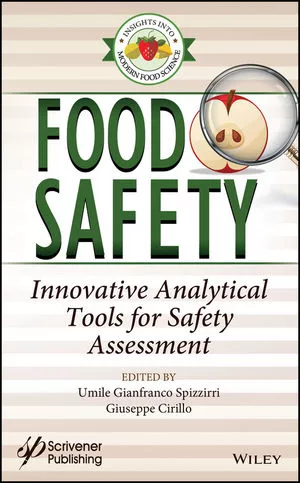
    Food Safety: Innovative Analytical Tools for Safety Assessment

See More Products

Related Directories

  • BioSafe Systems

    BioSafe Systems provides food safety solutions with peroxyacetic acid (PAA) and Smart Technology. Our advance chemistry and OxyFusion, on-site, on-demand PAA generator, automates food safety compliance, reduce cost, and increase productivity. Our Smart Technology automates monitoring, dosing, and generates customizable data reports that are blockchain compatible. We continue to innovate solutions for food safety.
  • Smart Food Safe

    Smart Food Safe is a leading and innovative software company specializing in providing state-of-the-art technology solutions for businesses to excel in Quality, Food Safety, Regulatory, and Traceability management. With a strong focus on empowering organizations, Smart Food Safe Software offers a comprehensive suite of customizable modules designed to streamline processes, ensure regulatory compliance, enhance product quality, and enable real-time visibility into operations.
×

Never miss the latest news and trends driving the food safety industry

eNewsletter | Website | eMagazine

JOIN TODAY!
  • RESOURCES
    • Advertise
    • Contact Us
    • Directories
    • Store
    • Want More
  • SIGN UP TODAY
    • Create Account
    • eMagazine
    • eNewsletter
    • Customer Service
    • Manage Preferences
  • SERVICES
    • Marketing Services
    • Reprints
    • Market Research
    • List Rental
    • Survey/Respondent Access
  • STAY CONNECTED
    • LinkedIn
    • Facebook
    • Instagram
    • X (Twitter)
  • PRIVACY
    • PRIVACY POLICY
    • TERMS & CONDITIONS
    • DO NOT SELL MY PERSONAL INFORMATION
    • PRIVACY REQUEST
    • ACCESSIBILITY

Copyright ©2025. All Rights Reserved BNP Media.

Design, CMS, Hosting & Web Development :: ePublishing