Food Safety
search
Ask Food Safety AI
cart
facebook twitter linkedin instagram youtube
  • Sign In
  • Create Account
  • Sign Out
  • My Account
Food Safety
  • NEWS
    • Latest News
    • White Papers
  • PRODUCTS
  • TOPICS
    • Contamination Control
    • Food Types
    • Management
    • Process Control
    • Regulatory
    • Sanitation
    • Supply Chain
    • Testing and Analysis
  • PODCAST
  • EXCLUSIVES
    • Food Safety Five Newsreel
    • eBooks
    • FSM Distinguished Service Award
    • Interactive Product Spotlights
    • Videos
  • BUYER'S GUIDE
  • MORE
    • NEWSLETTERS >
      • Archive Issues
      • Subscribe to eNews
    • Store
    • Sponsor Insights
    • ASK FSM AI
  • WEBINARS
  • FOOD SAFETY SUMMIT
  • EMAG
    • eMagazine
    • Archive Issues
    • Editorial Advisory Board
    • Contact
    • Advertise
  • SIGN UP!

New GS1 blockchain guideline helps companies prepare for supply chain implementations

New GS1 blockchain guideline helps companies prepare for supply chain implementations
March 11, 2020

GS1 US has published a new guideline titled “Applying GS1 Standards for Supply Chain Visibility in Blockchain Applications,” an educational resource that can help industry enable supply chain visibility in blockchain implementations by leveraging GS1 Standards.

The guideline demonstrates how multiple GS1 Standards can be utilized in a blockchain ecosystem to optimize data sharing. For example, the EPCIS (Electronic Product Code Information Services) standard allows supply chain partners to capture transactional information about supply chain events (e.g., when a product was shipped and when it was received) and share that information with their trading partners. EPCIS is in use today across various industries and helps document product chain of custody across trading partner networks when used for blockchain. Common use cases for blockchain in the supply chain include food and drug traceability, product sourcing transparency and order-to-cash process automation in retail. 

“Launching any blockchain program without first adopting standards means supply chain partners risk sharing potentially bad data on a permanent ledger,” said Kraig Adams, vice president, blockchain, GS1 US. “GS1 Standards help ensure that all parties involved are sharing data consistently, which enhances interoperability and data quality. The guideline is a starting point for those who want to take a thoughtful approach and realize the maximum benefits of blockchain.”

The guideline was developed by GS1 US in collaboration with the GS1 US Cross-Industry Blockchain Discussion Group, formed in November 2018 to help companies better understand the transformative qualities of blockchain in the supply chain, and prepare for blockchain implementations using GS1 Standards. The group comprises more than 80 organizations including leading manufacturers, distributors, foodservice operators, retailers and associations across the foodservice, retail grocery, healthcare and apparel and general merchandise sectors.

Blockchain implementation best practices will be among the topics discussed at GS1 Connect 2020, being held June 16-18, 2020 in Las Vegas, Nevada. To learn more about the conference agenda and to register, please visit www.gs1connect.org.

For more information about how GS1 Standards support blockchain success, please visit www.gs1us.org/blockchain. 

Looking for quick answers on food safety topics?
Try Ask FSM, our new smart AI search tool.
Ask FSM →


This article was originally posted on www.snackandbakery.com.
KEYWORDS: blockchain technology GS1 US traceability

Share This Story

Recommended Content

JOIN TODAY
to unlock your recommendations.

Already have an account? Sign In

  • people holding baby chicks

    Serovar Differences Matter: Utility of Deep Serotyping in Broiler Production and Processing

    This article discusses the significance of Salmonella in...
    Microbiological Control
    By: Nikki Shariat Ph.D.
  • woman washing hands

    Building a Culture of Hygiene in the Food Processing Plant

    Everyone entering a food processing facility needs to...
    Personal Hygiene/Handwashing
    By: Richard F. Stier, M.S.
  • graphical representation of earth over dirt

    Climate Change and Emerging Risks to Food Safety: Building Climate Resilience

    This article examines the multifaceted threats to food...
    Management
    By: Maria Cristina Tirado Ph.D., D.V.M. and Shamini Albert Raj M.A.
Manage My Account
  • eMagazine Subscription
  • Subscribe to Newsletters
  • Manage My Preferences
  • Website Registration
  • Subscription Customer Service

More Videos

Sponsored Content

Sponsored Content is a special paid section where industry companies provide high quality, objective, non-commercial content around topics of interest to the Food Safety Magazine audience. All Sponsored Content is supplied by the advertising company and any opinions expressed in this article are those of the author and not necessarily reflect the views of Food Safety Magazine or its parent company, BNP Media. Interested in participating in our Sponsored Content section? Contact your local rep!

close
  • The image shows a variety of fresh produce packaged in plastic trays and wrap.
    Sponsored byWaters Corporation

    PFAS-Free Food Packaging by August 2026

  • This image displays a multi-stage water filtration system designed to remove contaminants from drinking water.
    Sponsored byWaterdrop Filter

    The 4.0 ppt Era: Future-Proofing Your Food Supply Chain Against 'Forever Chemicals'

  • The image displays a bottling plant production line, commonly used in the beverage industry for filling and packaging soft drinks.
    Sponsored byBIOIONIX

    Sustainability with ROI: A Beverage Producer Case Study in Water Savings

Popular Stories

half shredded block of cheddar cheese and pile of cheese shreds on wooden cutting board

Patient Count in Raw Farm E. coli Outbreak Grows, Majority are Young Children

RAW FARM-brand raw cheddar cheese shreds

Amid E. coli Outbreak, Congress Urges FDA to Mandate Raw Cheese Recall

smiling employee in bottling factory looking at camera with arms crossed in front of production line

GFSI Unveils Updated Food Safety Culture Framework

foreign material webinar


Events

March 31, 2026

Regulatory Risk, Ingredient Safety, and GRAS: What Companies Need to Act on Now

Live: March 31, 2026, at 11:00 am EDT: From this webinar, attendees will recognize patterns in food policy affecting dietary guidelines, UPFs, state legislative actions, and expected GRAS reform.

April 8, 2026

Foreign Material Contamination: Why In-Line Reinspection Isn't Enough

Live: April 8, 2026, at 11:00 am EDT: From this webinar, attendees will learn why reinspecting with in-line equipment is not sufficient when it comes to potential foreign material contamination.

April 16, 2026

Recordkeeping and Document Management for Food Safety Compliance

Live: April 16, 2026, at 2:00 pm EDT: From this webinar, attendees will learn why recordkeeping and document control are essential to food safety and business management.

View All

Products

Global Food Safety Microbial Interventions and Molecular Advancements

Global Food Safety Microbial Interventions and Molecular Advancements

See More Products

Related Articles

  • New GS1 Digital Link Guideline helps retail industry provide unlimited, instantly updated product data to consumers with a single barcode scan

    New GS1 Digital Link Guideline helps retail industry provide unlimited, instantly updated product data to consumers with a single barcode scan

    See More
  • GS1 US

    GS1 Connect 2023 Focuses on Supply Chain Visibility, Features More Than 275 Companies

    See More
  • GS1 US

    Industry Shares Best Practices for Supply Chain Visibility at GS1 US Summit

    See More

Related Products

See More Products
  • 1119053595.jpg

    Food Safety for the 21st Century: Managing HACCP and Food Safety throughout the Global Supply Chain, 2E

  • 1119160553.jpg

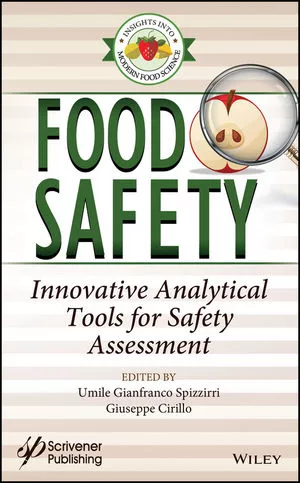
    Food Safety: Innovative Analytical Tools for Safety Assessment

  • 1118396308.jpg

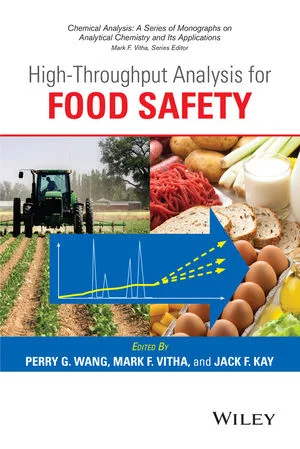
    High Throughput Analysis for Food Safety

See More Products

Related Directories

  • SafetyChain Software

    SafetyChain is a digital plant management platform trusted by more than 2,500 food and beverage manufacturing facilities to improve plant-wide performance. It unifies production and quality teams with data and insights, tools, and delivers real-time operational visibility and control by eliminating paper and point solutions.
  • FoodChain ID

    Our mission is to make it easier to keep the food supply chain safe, compliant and transparent. We serve 30,000+ customers in over 100 countries. We offer five key service areas: Regulatory Compliance, Product Development Solutions, Food Safety Solutions, Product Certifications, Testing Solutions
×

Never miss the latest news and trends driving the food safety industry

Newsletters | Website | eMagazine

JOIN TODAY!
  • RESOURCES
    • Advertise
    • Contact Us
    • Directories
    • Store
    • Want More
  • SIGN UP TODAY
    • Create Account
    • eMagazine
    • Newsletters
    • Customer Service
    • Manage Preferences
  • SERVICES
    • Marketing Services
    • Reprints
    • Market Research
    • List Rental
    • Survey/Respondent Access
  • STAY CONNECTED
    • LinkedIn
    • Facebook
    • Instagram
    • X (Twitter)
  • PRIVACY
    • PRIVACY POLICY
    • TERMS & CONDITIONS
    • DO NOT SELL MY PERSONAL INFORMATION
    • PRIVACY REQUEST
    • ACCESSIBILITY

Copyright ©2026. All Rights Reserved BNP Media, Inc. and BNP Media II, LLC.

Design, CMS, Hosting & Web Development :: ePublishing