Food Hygiene, Antimicrobial Stewardship are Equally Critical to Controlling Foodborne Drug Resistance, FAO Experts Say
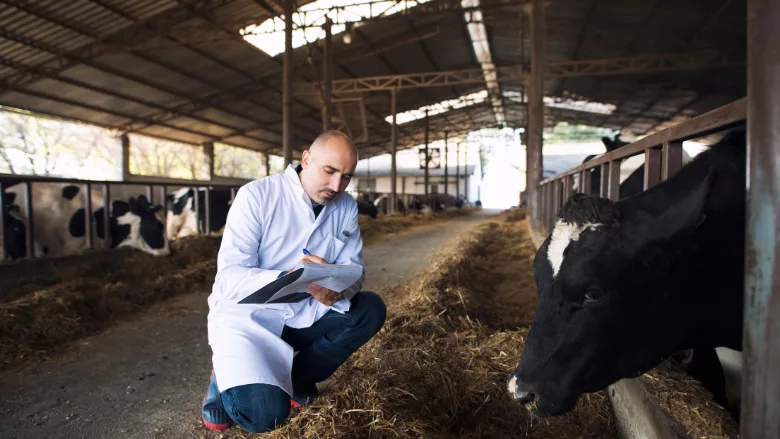
A new review authored by experts from the Food and Agriculture Organization of the United Nations (FAO) has argued that reducing antibiotic use in agriculture, although necessary for addressing antimicrobial resistance (AMR), is insufficient on its own to protect consumers from foodborne exposure to antibiotic-resistant bacteria (ARB). Instead, antimicrobial stewardship must be paired with stringent hygiene and contamination controls throughout the food chain.
Published in the Journal of Food Protection, the narrative review examined antibiotic use in human, animal, and plant health; its environmental consequences; the role of food in carrying ARB; and interventions for reducing ARB contamination from production through consumption.
Food Hygiene Essential to Reducing Exposure to Antibiotic-Resistant Bacteria
The researchers emphasized two complementary approaches to controlling ARB in food:
- AMR-specific interventions, which target the emergence and enrichment of resistant bacteria through measures such as antimicrobial stewardship and disease prevention
- AMR-sensitive interventions, including food hygiene, sanitation, biosecurity, and access to clean water, which broadly reduce bacterial populations regardless of their resistance characteristics.
Although reducing antibiotic use in agriculture is the most direct AMR-specific intervention, evidence reviewed by the authors showed that ARB can persist even where antibiotics are not currently used. Studies comparing conventional, organic, and antibiotic-free production also showed that resistant bacteria can occur across production systems.
Additionally, historical antibiotic use and environmental reservoirs can have lasting effects. For example, one study cited by the authors found that, ten years after antibiotic use ceased in a swine herd, the proportion of tetracycline-resistant Escherichia coli in fecal samples had declined from 82 percent to 42 percent, demonstrating the persistence of resistance long after antibiotic withdrawal.
Food can also acquire ARB at numerous points along the farm-to-fork continuum, including through contaminated soil and water, animal transport, harvest and slaughter operations, processing equipment, food-contact surfaces, workers, and food preparation. Therefore, the researchers asserted that general food safety measures capable of lowering total bacterial loads are essential for controlling resistant bacteria.
The review illustrated the potential difference in magnitude between interventions using beef carcass contamination as an example. The researchers estimated that completely restricting antimicrobial use during production could achieve a tenfold reduction in ARB, while slaughter hygiene and postharvest interventions could reasonably achieve a thousand-fold reduction in microbial contamination on heavily contaminated carcasses. Combining antimicrobial stewardship with hygiene interventions offered the greatest reduction. The review noted that multi-hurdle approaches used commercially can achieve even greater bacterial reductions.
Biosecurity, WASH, and Training Support AMR Control
The researchers also highlighted important measures for simultaneously preventing disease, reducing antibiotic demand, and limiting the spread of ARB. Specifically:
- Biosecurity
- Water, sanitation, and hygiene (WASH)
- Animal welfare
- Vaccination
- Cleaning and disinfection
- Waste management
- Workforce training.
However, the ability to implement these controls varies globally. Data from the 2024 Tracking AMR Country Self-Assessment Survey cited in the review showed that 42 percent of high-income countries reported supporting training and professional education on AMR for the food safety sector, compared with 25 percent of upper-middle-income countries, 20 percent of lower-middle-income countries, and 4 percent of low-income countries.
Looking for quick answers on food safety topics?
Try Ask FSM, our new smart AI search tool.
Ask FSM →
Calls for a One Health Approach Centered on Food Hygiene
The review authors concluded that controlling foodborne AMR requires a coordinated One Health approach centered on food hygiene. Although antimicrobial stewardship can slow the emergence and enrichment of resistant bacteria, existing environmental reservoirs mean that ARB can contaminate food regardless of current antimicrobial use.
According to the researchers, sustained investments in clean and accessible water, waste management, biosecurity, education, workforce development, and plant and animal health expertise will be necessary to ensure that gains achieved through antimicrobial stewardship are not undermined by contamination later in the food chain.