Food Safety
search
Ask Food Safety AI
cart
facebook twitter linkedin instagram youtube
  • Sign In
  • Create Account
  • Sign Out
  • My Account
Food Safety
  • NEWS
    • Latest News
    • Sponsored Insights
    • Sponsored White Papers
  • PRODUCTS
  • TOPICS
    • Contamination Control
    • Food Types
    • Management
    • Process Control
    • Regulatory
    • Sanitation
    • Supply Chain
    • Testing and Analysis
  • PODCAST
  • EXCLUSIVES
    • Food Safety Five Newsreel
    • eBooks
    • FSM Distinguished Service Award
    • Interactive Product Spotlights
    • Videos
  • BUYER'S GUIDE
  • MORE
    • NEWSLETTERS >
      • Archive Issues
      • Subscribe to eNews
    • Store
    • ASK FSM AI
  • WEBINARS
  • FOOD SAFETY SUMMIT
  • EMAG
    • eMagazine
    • Archive Issues
    • Editorial Advisory Board
    • Contact
    • Advertise
  • SIGN UP!
NewsContamination ControlManagementInternationalRisk AssessmentChemical Control

WHO Identifies 18 Priority PFAS for Future Health Assessment Based on Dietary Exposure
By Food Safety Magazine Editorial Team
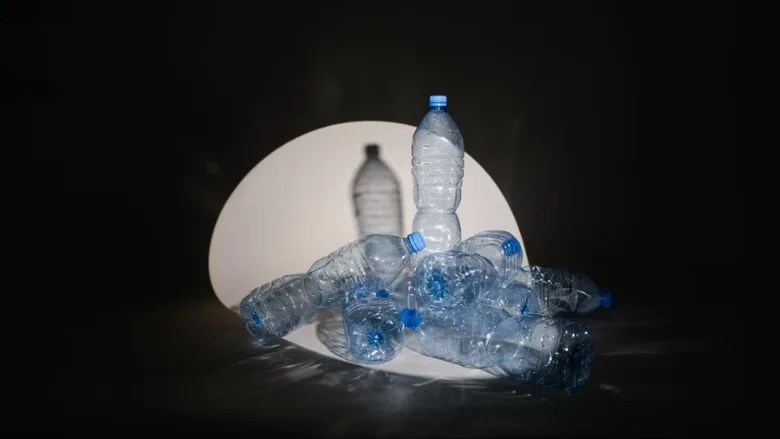
plastic water bottles under spotlight
Image credit: MART PRODUCTIONS via Pexels
July 27, 2026

The World Health Organization (WHO) has published a landscape review identifying 18 ingested priority per- and polyfluoroalkyl substances (PFAS) and six health effect categories for further evaluation as part of efforts to support the development of health-based values for the “forever chemicals.”

WHO commissioned the review to systematically collect and assess available evidence on PFAS occurrence and associated health effects, with the goal of determining which compounds and health outcomes should be prioritized for more detailed review. According to WHO, widespread human exposure to PFAS through drinking water, food, and other sources, coupled with the growing volume of scientific literature, necessitated a structured prioritization process.

To support the review, WHO assembled two comprehensive databases:

  • Health effects database: Approximately 57,000 observations covering 66 individual PFAS from 48 data sources.
  • Occurrence database: Nearly 300,000 observations across 77 PFAS from 49 data sources, focusing on exposure through drinking water, food, and human biomonitoring.

Using a transparent prioritization framework, WHO recommended 18 PFAS for further assessment, 16 of which were prioritized based on occurrence data:

  • Perfluorooctanesulfonic acid (PFOS)
  • Perfluoroundecanoic acid (PFUnDA)
  • Perfluoroheptanoic acid (PFHpA)
  • Perfluorooctanoic acid (PFOA)
  • Perfluoroheptanesulfonic acid (PFHpS)
  • Perfluorobutanoic acid (PFBA)
  • Perfluorotridecanoic acid (PFTrDA)
  • Perfluorohexanoic acid (PFHxA)
  • Perfluorotetradecanoic acid (PFTeDA)
  • Perfluorobutanesulfonic acid (PFBS)
  • Perfluorohexanesulfonic acid (PFHxS)
  • Perfluoropentanoic acid (PFPeA)
  • Perfluorododecanoic acid (PFDoDA)
  • Perfluorononanoic acid (PFNA)
  • Perfluorodecanoic acid (PFDA)
  • Perfluorodecanesulfonic acid (PFDS).

WHO also recommended including two additional PFAS for further consideration, which may have been underrepresented in the reviewed data because of limitations in the literature search strategy or the availability of unpublished studies:

  • Trifluoroacetic acid (TFA)
  • Perfluoro(2-propoxypropanoic acid), also known as GenX acid.

WHO also identified six priority health effect categories for future evaluation:

  1. Cancer
  2. Developmental effects
  3. Hepatic effects
  4. Immune effects
  5. Metabolic effects
  6. Reproductive effects.

According to WHO, the landscape review establishes a foundation for more detailed systematic evidence reviews that will support the derivation of health-based values for PFAS. The agency said the prioritization framework provides a robust and transparent approach for focusing future assessments on compounds and health outcomes with the greatest relevance to human exposure.

The full review can be accessed here.

The PFAS Problem: Environmental Persistence and Health Harms

Often called “forever chemicals” due to their inability to break down in the environment or human body over time, PFAS are a diverse family of synthetic compounds used in numerous consumer and industrial products, including nonstick cookware, textiles, packaging, and firefighting foams. The exact number of PFAS is unknown, but by some estimates, there are more than 14,000.

Once introduced to the environment, PFAS continue to accumulate in soil, surface and ground water, and air, leading to their contamination of crops, food animals and their products, and drinking water, and subsequently, resulting in human exposure.

The body of evidence demonstrating the harms PFAS pose to human and environmental health is growing. Many health conditions—including cancers and thyroid and cardiovascular diseases—are associated with PFAS exposure, and more are suspected. WHO’s International Agency for Research on Cancer (IARC) has already declared two types of pervasive PFAS—perfluorooctanoic acid (PFOA) and perfluorooctanesulfonic acid (PFOS)—as carcinogenic and possibly carcinogenic to humans, respectively.

Looking for quick answers on food safety topics?
Try Ask FSM, our new smart AI search tool.
Ask FSM →


KEYWORDS: exposure science PFAS review WHO

Share This Story

Fsm purple logo 200x200

The Food Safety Magazine editorial team comprises Bailee Henderson, Director of Content Strategy and news editor ✉, and Adrienne Blume, M.A., Director of Editorial and Industry Engagement.

Recommended Content

JOIN TODAY
to unlock your recommendations.

Already have an account? Sign In

  • people holding baby chicks

    Serovar Differences Matter: Utility of Deep Serotyping in Broiler Production and Processing

    This article discusses the significance of Salmonella in...
    Contamination Control
    By: Nikki Shariat Ph.D.
  • woman washing hands

    Building a Culture of Hygiene in the Food Processing Plant

    Everyone entering a food processing facility needs to...
    Personal Hygiene/Handwashing
    By: Richard F. Stier, M.S.
  • graphical representation of earth over dirt

    Climate Change and Emerging Risks to Food Safety: Building Climate Resilience

    This article examines the multifaceted threats to food...
    Risk Assessment
    By: Maria Cristina Tirado Ph.D., D.V.M. and Shamini Albert Raj M.A.
Manage My Account
  • eMagazine Subscription
  • Subscribe to Newsletters
  • Manage My Preferences
  • Website Registration
  • Subscription Customer Service

More Videos

Sponsored Content

Sponsored Content is a special paid section where industry companies provide high quality, objective, non-commercial content around topics of interest to the Food Safety Magazine audience. All Sponsored Content is supplied by the advertising company and any opinions expressed in this article are those of the author and not necessarily reflect the views of Food Safety Magazine or its parent company, BNP Media. Interested in participating in our Sponsored Content section? Contact your local rep!

close
  • an automated industrial production line used in a modern food factory
    Sponsored byIFC

    A Formula for Food Processing Pest Management

  • fly
    Sponsored byOrkin Commercial

    Fly Control in Food Processing Facilities: Managing Seasonal Food Safety Risks

  • Darkling Beetle
    Sponsored byElanco Animal Health

    Integrated Pest Management: Protecting Poultry Operations as Seasons Change

Popular Stories

head of iceberg lettuce

Taylor Farms Lettuce Cyclosporiasis Outbreak Expands to Nine States; CDC Reports Nearly 2,000 Cases, State Counts Exceed 10,000

lettuce farming

Center for Produce Safety Releases Cyclospora Resources for Industry

avocado oil

UC Davis Researchers Find Widespread Authenticity Issues with Avocado Oil in Processed Foods

building a skilled workforce ebook

Events

August 6, 2026

Beyond Sanitation: Understanding the Hidden System Conditions That Allow Pathogens to Persist

Live: August 6, 2026 at 2:00 pm EDT: Attend this webinar to learn strategies for strengthening environmental control programs through a layered approach to pathogen management.

August 11, 2026

Beyond Sanitization: Reducing Contamination Risk Without Raising Operating Cost

Live: August 11, 2026 at 2:00 pm EDT: Attend this webinar to learn why ambient air is the largest and most overlooked contamination zone in food processing, and what it costs you between scheduled cleans.

August 25, 2026

Don’t Wing It: Bird Control for Food Processing Facilities

Live: August 25, 2026 at 2:00 pm EDT: This webinar will cover why managing bird activity should be a priority for your business, the complexities involved in effective bird control, and proactive strategies to help protect your facility.

View All

Products

Global Food Safety Microbial Interventions and Molecular Advancements

Global Food Safety Microbial Interventions and Molecular Advancements

See More Products

Related Articles

  • beakers full of clear liquid white background

    EFSA Updating Risk Assessments on Dietary Exposure to Flame Retardants; Consultation on TBBPA Open

    See More
  • root vegetables and leafy greens food high in cadmium with FDA logo overlay

    FDA Toxicology Study on Dietary Cadmium Exposure Cites Bone Demineralization, Kidney Damage

    See More
  • someone lowering their fork into a plate of freshwater fish

    WHO Classifies Two Major PFAS as Carcinogenic to Humans, Underlines Risk of Dietary Exposure

    See More

Related Products

See More Products
  • 1119160553.jpg

    Food Safety: Innovative Analytical Tools for Safety Assessment

  • food safety.jpg

    Food Safety Contaminants and Risk Assessment

  • 1118474600.jpg

    Practical Food Safety: Contemporary Issues and Future Directions

See More Products

Related Directories

  • Future Green Consulting Ltd.

    Future Green is a purpose-led consultancy and certified BCorp based in Hong Kong, serving clients globally. No matter their size or stage of growth, each client shares a common objective: to increase the output of high-value work at a faster pace. Future Green supports this by facilitating practical workshops that align teams around critical food sustainability change projects.
  • Institute for Food Safety and Health (IFSH) - Illinois Tech

    IFSH is a one-of-a-kind applied food science research consortium comprised of the Illinois Tech, the U.S. FDA, and the food industry. In collaboration with the FDA, we provide stakeholders with the opportunity to develop and exchange knowledge, experience, and expertise in the areas of food safety, food defense, and nutrition.
  • On Target Packaging

    On Target Packaging is a production/maintenance servicer for combination and check weighers. We do not sell or process food, but provide service/repairs, and equipment for the food industry
×

Never miss the latest news and trends driving the food safety industry

Newsletters | Website | eMagazine

JOIN TODAY!
  • RESOURCES
    • Advertise
    • Contact Us
    • Directories
    • Store
    • Want More
  • SIGN UP TODAY
    • Create Account
    • eMagazine
    • Newsletters
    • Customer Service
    • Manage Preferences
  • SERVICES
    • Marketing Services
    • Reprints
    • Market Research
    • List Rental
    • Survey/Respondent Access
  • STAY CONNECTED
    • LinkedIn
    • Facebook
    • Instagram
    • X (Twitter)
  • PRIVACY
    • PRIVACY POLICY
    • TERMS & CONDITIONS
    • DO NOT SELL MY PERSONAL INFORMATION
    • PRIVACY REQUEST
    • ACCESSIBILITY

Copyright ©2026. All Rights Reserved BNP Media, Inc. and BNP Media II, LLC.

Design, CMS, Hosting & Web Development :: ePublishing