Food Safety
search
Ask Food Safety AI
cart
facebook twitter linkedin instagram youtube
  • Sign In
  • Create Account
  • Sign Out
  • My Account
Food Safety
  • NEWS
    • Latest News
    • Sponsored Insights
    • Sponsored White Papers
  • PRODUCTS
  • TOPICS
    • Contamination Control
    • Food Types
    • Management
    • Process Control
    • Regulatory
    • Sanitation
    • Supply Chain
    • Testing and Analysis
  • PODCAST
  • EXCLUSIVES
    • Food Safety Five Newsreel
    • eBooks
    • FSM Distinguished Service Award
    • Interactive Product Spotlights
    • Videos
  • BUYER'S GUIDE
  • MORE
    • NEWSLETTERS >
      • Archive Issues
      • Subscribe to eNews
    • Store
    • ASK FSM AI
  • WEBINARS
  • FOOD SAFETY SUMMIT
  • EMAG
    • eMagazine
    • Archive Issues
    • Editorial Advisory Board
    • Contact
    • Advertise
  • SIGN UP!
NewsContamination ControlManagementRegulatoryInternationalMicrobiological ControlInternational Standards/Harmonization

FAO/WHO Experts Recommend Updating Codex Powdered Infant Formula Guidance to Consider Clostridia, B. cereus

By Food Safety Magazine Editorial Team
mother preparing bottle of infant formula
Image credit: MART PRODUCTIONS via Pexels
July 17, 2026

The Food and Agriculture Organization of the United Nations (FAO)/World Health Organization (WHO) Expert Meetings on Microbiological Risk Assessment (JEMRA) has recommended updates to the Codex Alimentarius guidance, Code of Hygienic Practice for Powdered Formula for Infants and Young Children (CXC 66-2008), following a review of emerging microbiological hazards associated with powdered formulas. The meeting, held in Rome, Italy, on June 15–19, 2026, was convened at the request of the Codex Committee on Food Hygiene (CCFH) in response to continued outbreaks and recalls linked to powdered formula.

The expert group reviewed the latest scientific evidence on Cronobacter, Salmonella, botulinum neurotoxin (BoNT)-producing clostridia like Clostridium botulinum, and cereulide toxin produced by Bacillus cereus, all of which have been associated with contamination of powdered infant formula or its ingredients. Within just the last year, the U.S. experienced two infant botulism outbreaks linked to infant formula, and the rest of the world experienced extensive formula recalls due to cereulide contamination.

The latest review expanded JEMRA's previous priority hazards to include BoNT-producing clostridia and B. cereus/cereulide, while also recommending continued monitoring of other microorganisms—including Enterococcus, Pseudomonas, and Candida species—for their potential risk in powdered formula.

Among its recommendations, JEMRA called for stronger supplier risk management programs, enhanced environmental monitoring that includes pathogen-specific testing, improved hygienic practices in manufacturing, and additional on-farm measures to reduce spore contamination of dairy ingredients. The experts also recommended updating consumer guidance on powdered formula preparation, handling, and storage, noting that current preparation recommendations developed for Cronobacter and Salmonella may not adequately address the risks posed by BoNT-producing clostridia or cereulide-producing B. cereus.

The group also identified significant knowledge gaps, including limited surveillance data on illnesses associated with powdered formula and challenges in assessing risks posed by toxin-producing microorganisms. The recommendations will inform a future revision of the Codex Code of Hygienic Practice.

Looking for quick answers on food safety topics?
Try Ask FSM, our new smart AI search tool.
Ask FSM →


KEYWORDS: Clostridium botulinum Codex FAO infant formula JEMRA WHO

Share This Story

Fsm purple logo 200x200

The Food Safety Magazine editorial team comprises Bailee Henderson, Director of Content Strategy and news editor ✉, and Adrienne Blume, M.A., Director of Editorial and Industry Engagement.

Recommended Content

JOIN TODAY
to unlock your recommendations.

Already have an account? Sign In

  • people holding baby chicks

    Serovar Differences Matter: Utility of Deep Serotyping in Broiler Production and Processing

    This article discusses the significance of Salmonella in...
    Contamination Control
    By: Nikki Shariat Ph.D.
  • woman washing hands

    Building a Culture of Hygiene in the Food Processing Plant

    Everyone entering a food processing facility needs to...
    Sanitation
    By: Richard F. Stier, M.S.
  • graphical representation of earth over dirt

    Climate Change and Emerging Risks to Food Safety: Building Climate Resilience

    This article examines the multifaceted threats to food...
    Contamination Control
    By: Maria Cristina Tirado Ph.D., D.V.M. and Shamini Albert Raj M.A.
Manage My Account
  • eMagazine Subscription
  • Subscribe to Newsletters
  • Manage My Preferences
  • Website Registration
  • Subscription Customer Service

More Videos

Sponsored Content

Sponsored Content is a special paid section where industry companies provide high quality, objective, non-commercial content around topics of interest to the Food Safety Magazine audience. All Sponsored Content is supplied by the advertising company and any opinions expressed in this article are those of the author and not necessarily reflect the views of Food Safety Magazine or its parent company, BNP Media. Interested in participating in our Sponsored Content section? Contact your local rep!

close
  • Man In Warehouse
    Sponsored byRentokil

    Mitigating Hidden Rodent Risks in Food Facilities

  • an industrial manufacturing or processing facility
    Sponsored bybioMérieux

    Get Ahead of Spoilage in Food Manufacturing with Metagenomics for Preventive Monitoring

  • an automated industrial production line used in a modern food factory
    Sponsored byIFC

    A Formula for Food Processing Pest Management

Popular Stories

a label seal that says "California Certified Not Ultraprocessed" with the California Republic bear on it

California Passes Bill to Create Certification Seal for Non-Ultra-Processed Foods

Cattle ranch

Cattlemen’s Associations Oppose Trump’s Push to Allow On-Farm Meat Processing: ‘Food Safety is NOT Red Tape’

Beltsville Agricultural Research Center grounds

News That USDA Cyclospora Research Was Defunded in 2026 Emerges as Nation’s Largest-Ever Cyclosporiasis Outbreak Continues

allergens ebook

Events

September 10, 2026

Stop Rodents in Their Tracks!

Live: September 10, 2026 at 2:00 pm EDT: Attend this webinar to understand rodent behavior and innovative strategies for rodent management.

September 22, 2026

From EFSA to Enforcement: Managing the Growing Complexity of EU MRLs

Live: September 22, 2026 at 11:00 am EDT: Attend this webinar to evaluate best practices for monitoring regulatory changes and protecting market access.

September 24, 2026

Benchmarking Foreign Material Contamination in 2026: What the Data Shows

Live: September 24, 2026 at 2:00 pm EDT:  From this webinar, attendees will learn what is driving investment decisions, and the factors FSQA and ops leaders weigh when making the case for new prevention technology.

View All

Products

Global Food Safety Microbial Interventions and Molecular Advancements

Global Food Safety Microbial Interventions and Molecular Advancements

See More Products

Related Articles

  • broiler chicks feeding

    FAO/WHO Experts Recommend Multi-Hurdle Approach to Controlling Campylobacter on Chicken

    See More
  • wheat kernels

    FAO/WHO Experts Recommend Gluten Reference Dose for Precautionary Allergen Labeling

    See More
  • microscope lenses

    Study Suggests Stratification and Increased, Smaller Samples can Improve Ability to Detect Cronobacter in Powdered Infant Formula

    See More

Related Products

See More Products
  • 1119237963.jpg

    Food Safety in China: Science, Technology, Management and Regulation

  • 9781498762878.jpg

    Food Safety and Protection

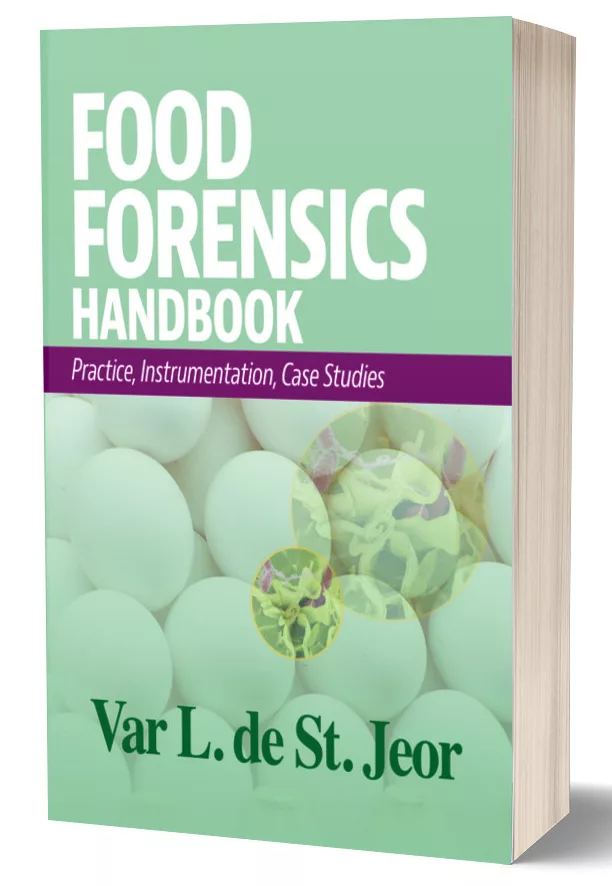
  • Food-Forensics-3D.jpg

    Food Forensics Handbook Practice, Instrumentation, Case Studies

See More Products

Events

View AllSubmit An Event
  • May 6, 2026

    Allergen Uncertainty: Risk Assessment, Reference Doses, and Codex Management Guidance

    On Demand: Attendees will gain insight into the importance of preparing for the industry's shift from detection-based methods to risk-based allergen management.
View AllSubmit An Event

Related Directories

  • A&B Ingredients

    A&B Ingredients is a manufacturer and distributor of unique specialty ingredients to the food industry. We specialize in natural, clean-label, plant-based ingredients for food safety and shelf-life extension in food and beverage products. Our CytoGUARD portfolio includes antimicrobials, yeast and mold inhibitors, natural preservatives, and antioxidants. We also provide turn-key solutions for sodium reduction with natural lower sodium sea salts.
×

Never miss the latest news and trends driving the food safety industry

Newsletters | Website | eMagazine

JOIN TODAY!
  • RESOURCES
    • Advertise
    • Contact Us
    • Directories
    • Store
    • Want More
  • SIGN UP TODAY
    • Create Account
    • eMagazine
    • Newsletters
    • Customer Service
    • Manage Preferences
  • SERVICES
    • Marketing Services
    • Reprints
    • Market Research
    • List Rental
    • Survey/Respondent Access
  • STAY CONNECTED
    • LinkedIn
    • Facebook
    • Instagram
    • X (Twitter)
  • PRIVACY
    • PRIVACY POLICY
    • TERMS & CONDITIONS
    • DO NOT SELL MY PERSONAL INFORMATION
    • PRIVACY REQUEST
    • ACCESSIBILITY

Copyright ©2026. All Rights Reserved BNP Media, Inc. and BNP Media II, LLC.

Design, CMS, Hosting & Web Development :: ePublishing