WHO Estimates Foodborne Parasites Caused 171 Million Illnesses Over 20 Years Globally
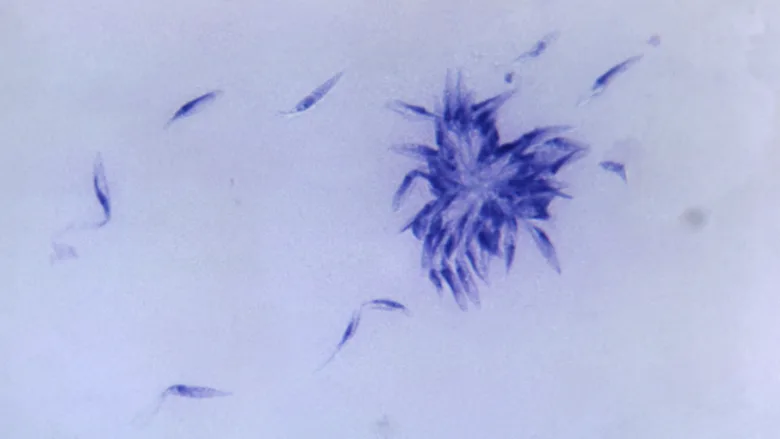
The World Health Organization (WHO) estimates that invasive foodborne parasitic diseases caused approximately 171 million illnesses worldwide, accounting for 4.89 million disability-adjusted life years (DALYs) between 2000 and 2021, underscoring the continued public health impact of foodborne parasites despite an overall decline in global burden.
The study updated WHO's previous estimates using data from systematic reviews; the Global Burden of Diseases, Injuries, and Risk Factors Study; and expert judgment to assess the foodborne burden of 14 invasive parasitic diseases. The estimates were compiled by the Foodborne Disease Burden Epidemiology Reference Group (FERG) for 2021–25 as part of the broader WHO Global Burden of Foodborne Disease Estimates published in June.
Researchers estimated that 277 million illnesses were caused by potentially foodborne invasive parasites, with about 171 million attributable specifically to foodborne transmission. Among the parasites studied, Taenia solium and Clonorchis sinensis accounted for the largest shares of foodborne DALYs, at 1.3 million and 921,000, respectively. These pathogens were also associated with the greatest numbers of foodborne deaths.
Regionally, the greatest burden was observed in the Americas, driven primarily by foodborne Chagas disease caused by Trypanosoma cruzi. The African region experienced the second-highest burden, largely due to epilepsy associated with neurocysticercosis, which is caused by central nervous system infection with T. solium metacestode larvae. While the global burden of foodborne parasitic diseases declined between 2000 and 2021, the Western Pacific region was an exception, with increasing disease burden largely attributable to clonorchiasis caused by C. sinensis.
Compared with WHO's previous assessment, the updated analysis expands the scope of pathogens evaluated by including foodborne Chagas disease and provides national-level burden estimates to support country-specific risk prioritization and intervention planning. The researchers also distinguished acquired and congenital toxoplasmosis and refined estimates for several trematode infections.
According to the authors, the findings provide a baseline for monitoring the effectiveness of interventions targeting foodborne parasitic diseases and highlight the need to prioritize control efforts for pathogens that contribute the greatest health burden. They also noted that although the overall global burden has decreased, persistent and increasing burdens from specific parasites, particularly C. sinensis and T. solium, warrant continued public health attention.
Looking for quick answers on food safety topics?
Try Ask FSM, our new smart AI search tool.
Ask FSM →