Ten-Year Analysis of German Foodborne Illness Outbreaks Shows Rise in Those Linked to Plant-Based Foods
In a new study, researchers from the German Federal Office of Consumer Protection and Food Safety (BVL) analyzed a decade of national foodborne illness outbreaks, identifying Campylobacter and Salmonella as the leading causes of outbreaks and highlighting an increase in outbreaks linked to plant-based foods in recent years.
More than 3,000 Outbreaks Over Nine Years
The dataset included 3,021 foodborne illness outbreaks investigated by BVL, in collaboration with the Robert Koch Institute, between 2015 and 2024.
Investigations for only 9.9 percent of the outbreaks (297) were solved with strong evidence, meaning investigators were able to identify a likely food vehicle with sufficient certainty to analyze contributing factors, exposure settings, and sources of contamination.
Plant-Based Foods Rise as Vehicle of Illness
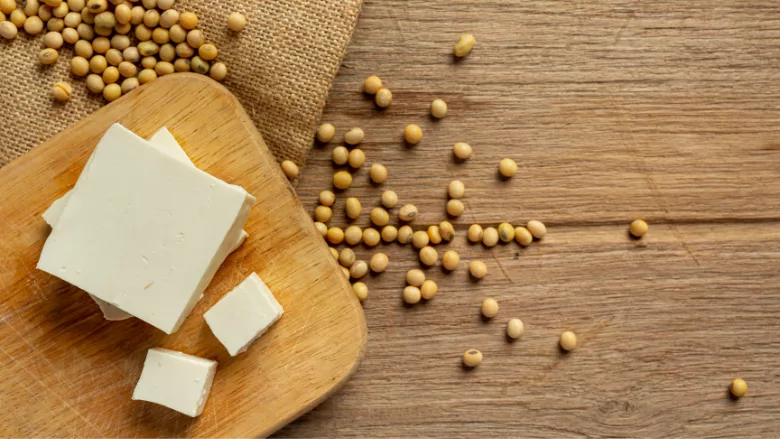
Among strong-evidence outbreaks, foods of animal origin accounted for 56.6 percent of incidents, while plant-based foods were linked to 19.5 percent. However, the researchers observed an upward trend in plant-based food-associated outbreaks. In 2023, plant-based foods were implicated in 53 percent of strong-evidence outbreaks, surpassing foods of animal origin for that year. However, in 2024, the distribution returned to the previously described pattern, with foods of animal origin linked to a higher share of outbreaks (47 percent) than plant-based foods (33 percent).
COVID-19 Impact on Outbreak Reporting
Outbreak reporting declined sharply during the COVID-19 pandemic, falling from approximately 400 outbreaks annually before 2020 to roughly 200 outbreaks per year between 2020 and 2023. Although outbreak numbers decreased, the number of illnesses per outbreak increased in 2023 and 2024. Hospitalizations peaked at 451 in 2024, exceeding pre-pandemic averages.
Pathogen–Commodity Pairings
Analysis of food–pathogen combinations revealed that:
- Campylobacter outbreaks were frequently associated with raw milk and poultry products
- Salmonella outbreaks were most often linked to pork and eggs
- Norovirus outbreaks were often connected to fruits, berries, and bakery products
- Histamine outbreaks were primarily associated with fish and seafood products
- Bacillus cereus outbreaks were most often linked to cereal-based foods.
Contributing Factors to Outbreaks
The study also examined contributing factors in outbreaks where sufficient evidence was available. Inadequate heat treatment was frequently associated with Campylobacter outbreaks, infected food handlers were commonly linked to norovirus outbreaks, and cross-contamination was a leading factor in Salmonella outbreaks.
Restaurants, catering operations, and take-away establishments were associated with approximately two-thirds of the identified food handling failures.
Looking for quick answers on food safety topics?
Try Ask FSM, our new smart AI search tool.
Ask FSM →
Food Safety Successes and Needs
The researchers pointed to several apparent successes in German food safety risk management over the study period. Outbreaks associated with raw milk and eggs declined substantially, which the authors attributed to targeted control programs, improved hygiene measures, and risk communication efforts.
At the same time, the increase in plant-based food-associated outbreaks highlighted the need for additional preventive measures and monitoring strategies.
The authors concluded that long-term analysis of outbreak data can help identify both effective interventions and emerging risks, providing valuable information for regulators, food businesses, and consumers seeking to prevent future foodborne illness outbreaks.