Food Safety
search
Ask Food Safety AI
cart
facebook twitter linkedin instagram youtube
  • Sign In
  • Create Account
  • Sign Out
  • My Account
Food Safety
  • NEWS
    • Latest News
    • White Papers
  • PRODUCTS
  • TOPICS
    • Contamination Control
    • Food Types
    • Management
    • Process Control
    • Regulatory
    • Sanitation
    • Supply Chain
    • Testing and Analysis
  • PODCAST
  • EXCLUSIVES
    • Food Safety Five Newsreel
    • eBooks
    • FSM Distinguished Service Award
    • Interactive Product Spotlights
    • Videos
  • BUYER'S GUIDE
  • MORE
    • NEWSLETTERS >
      • Archive Issues
      • Subscribe to eNews
    • Store
    • Sponsor Insights
    • ASK FSM AI
  • WEBINARS
  • FOOD SAFETY SUMMIT
  • EMAG
    • eMagazine
    • Archive Issues
    • Editorial Advisory Board
    • Contact
    • Advertise
  • SIGN UP!
NewsContamination ControlRegulatoryChemical ControlInternational Standards/Harmonization

Canadian Monitoring of Baby Foods Finds 100 Percent Compliance with Chemical Contaminant Limits

The general food supply was also more than 95 percent compliant.

By Food Safety Magazine Editorial Team
overhead view of jars of baby food, ingredients, and spoons
Image credit: Freepik via Magnific
June 10, 2026

The Canadian Food Inspection Agency (CFIA) has published the most recent findings from its monitoring programs for chemical contaminants in children’s foods and in the general food supply. The overwhelming majority of samples across the sampling and testing assignments were found to be satisfactory.

The latest reports follow the recently released results from CFIA's National Microbiological Monitoring Program (NMMP) for 2024–2025, which found an overall 98.9 percent satisfactory rate.

Children’s Food Project (CFP)

A total of 105 samples of infant and young children’s pureed foods were purchased in February 2024 and analyzed for pesticide residues and toxic heavy metals (i.e., arsenic, cadmium, lead, and mercury).

All samples were compliant with Canadian regulations for pesticide residues, 69 percent of samples did not contain detectable pesticide residues, and 80 percent did not contain detectable levels of toxic heavy metals. Canada does not currently have regulatory limits for toxic heavy metals in food.

Access the full report here.

National Chemical Residue Monitoring Program (NCRMP)

In 2022–2023, more than 110,000 tests for residues of veterinary drugs, pesticides, environmental contaminants, mycotoxins, and metals were performed on approximately 15,500 monitoring samples of domestic and imported dairy, eggs, honey, meat and poultry, fish and seafood, fresh and processed fruit and vegetable commodities, and maple syrup. The overall compliance rate with Canadian standards for chemical residues was 97.5 percent, which is comparable to 2021–2022. Domestic and imported foods had compliance rates of 98.2 percent and 96.9 percent, respectively.

All food commodity groups had overall compliance rates exceeding the program target of 95 percent in the 2022–2023 fiscal year. However, three commodity groups had either domestic or import compliance rates below 95 percent:

  • Imported dairy products: A compliance rate of 91 percent, with most positive and non-compliant results from veterinary drug residues found in cheeses; specifically, thiouracil, a thyrostat drug used in the past to increase weight gain in animals prior to slaughter, which is no longer allowed for use in Canada
  • Domestic honey: A compliance rate of 93.9 percent, down 5 percent from the previous year mostly due to violations found from new testing for polar pesticides, including glyphosate, which began in honey in 2022–2023
  • Imported fish and seafood: A compliance rate of 94.5 percent, mainly due to veterinary drug residues, and mostly detected in aquaculture finfish, followed by shrimp and wild-caught finfish.

Fish and seafood products were added to the scope of NCRMP surveillance activities for the first time in 2022–2023.

Access the full report here.

Looking for quick answers on food safety topics?
Try Ask FSM, our new smart AI search tool.
Ask FSM →


KEYWORDS: Canada CFIA monitoring pesticide residues toxic heavy metals veterinary drugs

Share This Story

Fsm purple logo 200x200

The Food Safety Magazine editorial team comprises Bailee Henderson, Digital Editor ✉ and Adrienne Blume, M.A., Editorial Director.

Recommended Content

JOIN TODAY
to unlock your recommendations.

Already have an account? Sign In

  • people holding baby chicks

    Serovar Differences Matter: Utility of Deep Serotyping in Broiler Production and Processing

    This article discusses the significance of Salmonella in...
    Contamination Control
    By: Nikki Shariat Ph.D.
  • woman washing hands

    Building a Culture of Hygiene in the Food Processing Plant

    Everyone entering a food processing facility needs to...
    Food Prep/Handling
    By: Richard F. Stier, M.S.
  • graphical representation of earth over dirt

    Climate Change and Emerging Risks to Food Safety: Building Climate Resilience

    This article examines the multifaceted threats to food...
    Best Practices
    By: Maria Cristina Tirado Ph.D., D.V.M. and Shamini Albert Raj M.A.
Manage My Account
  • eMagazine Subscription
  • Subscribe to Newsletters
  • Manage My Preferences
  • Website Registration
  • Subscription Customer Service

More Videos

Sponsored Content

Sponsored Content is a special paid section where industry companies provide high quality, objective, non-commercial content around topics of interest to the Food Safety Magazine audience. All Sponsored Content is supplied by the advertising company and any opinions expressed in this article are those of the author and not necessarily reflect the views of Food Safety Magazine or its parent company, BNP Media. Interested in participating in our Sponsored Content section? Contact your local rep!

close
  • NEVIFIT 3 Compartment BPA-FREE
    Sponsored byCorbion

    The Risks of Ready-to-Eat: Five Ways to Protect Today's Prepared Meals

  • a group of workers in a food production facility
    Sponsored bySkillUp by Registrar Corp

    How to Build a Better Training Program: Data and Insights from the Global Food Safety Training Survey

  • the use of dual-energy X-ray food inspection technology to identify foreign contaminants.
    Sponsored byEagle by METTLER TOLEDO

    Precision Inspection Starts with the Right X-ray Detector

Popular Stories

clover hill dairy recalled cheese products

Eight Sick, One Dead in Three-Year Listeria Outbreak Linked to Soft Cheese

diverse friends eating meal together

Global Foodborne Disease Burden Comparable to Malaria, Per Updated WHO Estimates

baby having a bottle fed by his moms

After Infant Botulism Outbreak, FDA Shares Root Cause Analysis Findings from ByHeart Formula Plants

Events

June 16, 2026

Sustainable Food Contact Materials: Where Regulation Meets Analytical Testing

Live: June 16, 2026 at 11:00 am EDT: This webinar explores how sustainability regulations are changing food contact material requirements, including packaging compliance, unintended substances, and per- and polyfluoroalkyl substances.

June 17, 2026

Living HACCP: Practical Steps for Implementation

Live: June 17, 2026, at 12:00 pm EDT: From this webinar, attendees will understand how social norms shape the way hazards are understood, how decisions are made, and how well risks are understood and acted on across companies.

June 25, 2026

Rethinking Food Safety: Eliminating Biofilm and Building a Smarter Food Safety System

Live: June 25, 2026 at 2:00 pm EDT: Join this webinar to explore a modern approach to decontamination that goes beyond surface-level cleaning to combat biofilm and persistent pathogens.

View All

Products

Global Food Safety Microbial Interventions and Molecular Advancements

Global Food Safety Microbial Interventions and Molecular Advancements

See More Products

Related Articles

  • glass testing beakers

    Canadian Food Supply Nearly 100 Percent Compliant With Chemical Residue Standards

    See More
  • bags of assorted groceries

    Nearly 100 Percent of Canadian Food Samples Tested for Microbial Contaminants Deemed Satisfactory

    See More
  • Analysis of Pesticides in Baby Foods Using Triple Quad GC/MS/MS

    See More

Related Products

See More Products
  • 9781138198463.jpg

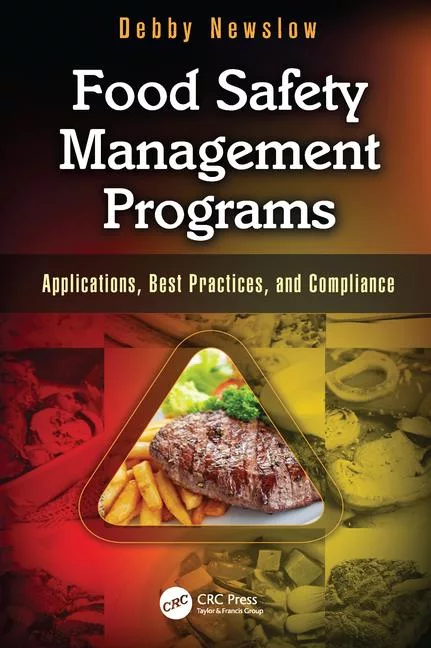
    Food Safety Management Programs: Applications, Best Practices, and Compliance

  • food-safety-making.jpg

    Food Safety: Making Foods Safe and Free From Pathogens

  • 9781498721776.jpg

    Handbook of Food Processing: Food Safety, Quality, and Manufacturing Processes

See More Products

Events

View AllSubmit An Event
  • September 25, 2025

    Strengthening Food Safety Compliance with AI

    On Demand: Attend this webinar to learn how to centrally manage all inbound and outbound certificates with complete metadata and status.
View AllSubmit An Event

Related Directories

  • ComplianceMate

    A patented combination of wireless temperature sensors and automated checklists that track and improve operational efficiencies and food safety compliance. Provides total control over workflows and data in all types of foodservice establishments. See rapid ROI from significant labor and food waste savings, as well as improved audit scores.
×

Never miss the latest news and trends driving the food safety industry

Newsletters | Website | eMagazine

JOIN TODAY!
  • RESOURCES
    • Advertise
    • Contact Us
    • Directories
    • Store
    • Want More
  • SIGN UP TODAY
    • Create Account
    • eMagazine
    • Newsletters
    • Customer Service
    • Manage Preferences
  • SERVICES
    • Marketing Services
    • Reprints
    • Market Research
    • List Rental
    • Survey/Respondent Access
  • STAY CONNECTED
    • LinkedIn
    • Facebook
    • Instagram
    • X (Twitter)
  • PRIVACY
    • PRIVACY POLICY
    • TERMS & CONDITIONS
    • DO NOT SELL MY PERSONAL INFORMATION
    • PRIVACY REQUEST
    • ACCESSIBILITY

Copyright ©2026. All Rights Reserved BNP Media, Inc. and BNP Media II, LLC.

Design, CMS, Hosting & Web Development :: ePublishing