
Items Tagged with 'cybersecurity'
ARTICLES


From Farm Signal to Supply Chain Shield: Preharvest Biosurveillance in a National Biosurveillance Ecosystem
Preharvest biosurveillance flips the traditional reactive model by identifying biological hazards earlier in the production cycle
Read More



Malevolent, Misaligned, and Misused: How Emerging AI Threats Endanger the Biological and Business Foundations of Food Safety
AI is no longer just a tool to be adopted; it is a national and business security domain that must be secured if food corporations intend to remain in business
Read More

Leveraging AI for Food Safety Without Becoming its Victim
For food companies, the best information to develop insight may already be at your fingertips
Read More


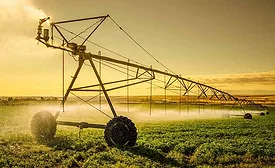
Biosecurity in Peacetime and Wartime
Most prominent among wartime threats for food, agriculture, and water systems is the probability of continuous and coordinated cyberattacks and other forms of sabotage
Read More
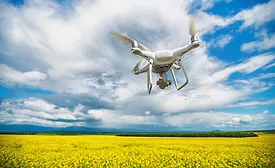
A Biosurveillance Ecosystem for Food Safety and National Resilience
By integrating One Health principles and cross-sector data sharing, the food safety community can move from reactive outbreak response to proactive biological domain awareness
Read More
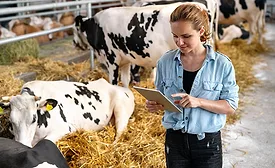
Cognitive Security, a Growing Concern for Food Safety: Part 6
Biosurveillance intelligence, surveillance, and reconnaissance: A detailed description of the system design and operation
Read More

Cognitive Security, a Growing Concern for Food Safety: Part 5
The authors explore how to mitigate cognitive security risks in social media
Read More
Cognitive Security, a Growing Concern for Food Safety: Part 4
Part 4 of this article series explores techniques to identify and mitigate threats emerging from compromised business credentials
Read More