The new X52 Dual Energy X-ray inspection system in Mettler Toledo’s X2 Series is designed to meet the demands of challenging applications in packaged products at an affordable price point.
A U.S. District Court has entered a consent decree of permanent injunction against Rizo Lopez Foods, a company that produced queso fresco and cotija cheese products linked to a decade-long listeriosis outbreak, requiring the firm to stop producing and selling certain products until FDA can confirm its compliance with federal food safety regulations.
Combining multiplex PCR and DNA barcoding, Chapman University researchers successfully detected fraudulent adulteration in half of ginseng supplement samples tested. With 28 percent of samples still unable to be identified, the researchers call for future studies combining DNA- and chemical-based testing methods.
The UK Food Standards Agency (FSA) has been awarded £1.6 million in funding to research cell-cultured food safety and facilitate application support for manufacturers before these products can enter the UK market.
In this episode of Food Safety Matters, we speak to Dr. Takashi Nakamura, Vice President of Food Safety at Fresh Del Monte, about the company’s food safety initiatives, from supplier approval and grower engagement to environmental monitoring, traceability, and beyond.
Mérieux NutriSciences has entered into an agreement to acquire the food testing business of Bureau Veritas, which includes its microbiological and chemical analysis and molecular testing activities.
The UK Food Standards Agency (FSA) is seeking stakeholder comment on a proposed guidance for industry regarding best practices for providing allergen information on non-prepackaged foods, such as in restaurants or at deli counters.
U.S. Senators Edward Markey and Cory Booker recently wrote a letter to the U.S. Food and Drug Administration (FDA) urging the agency to revoke its authorization for phthalates in food contact materials, arguing that the chemicals are proven to be toxic.
A recent study suggests that global control measures for Highly Pathogenic Avian Influenza (HPAI) H5N1 infection in poultry and dairy cattle are insufficient. Gaps in control measures exist, including resistance to modern vaccines and surveillance technologies.
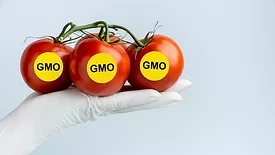
The U.S. Food and Drug Administration (FDA), the U.S. Environmental Protection Agency (EPA), and the U.S. Department of Agriculture (USDA) have released an online tool to help biotechnology companies better understand the regulatory requirements for genetically modified organisms (GMOs).