This article examines the need to always engage subject matter experts in the analysis of AI results for food safety in the context of biosurveillance and cognitive security.
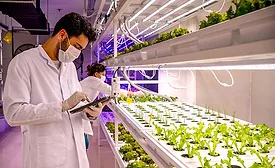
This article looks at food safety in hydroponic agriculture, including interventions used in hydroponic crop production to control pathogenic contamination.
In this episode of Food Safety Matters, we speak to UK food law expert Chris McGarvey about the implications of dynamic UK/EU regulatory trends and how businesses can navigate changing legislation related to trade, food substances, novel foods and technologies, and allergen labeling.
There are technical, economic, and human costs of deferred capital for food safety. Recent legislation provides new tax levers that can change how ROI is calculated. If leadership does not adapt, the result will be more recalls, more injuries, and more brand damage—costing more than a lower capital spend.
Recent contamination incidents involving moringa products draw attention to supply chain vulnerabilities that affect many botanical ingredients used in the global natural health industry. These events offer an opportunity to examine where problems can emerge and how companies can better protect consumer safety.
This article examines the frequent contamination of fresh produce (e.g., cucumber and sprouts due to recent outbreaks linked to these foods) with Salmonella and Shiga toxin-producing Escherichia coli.
Food safety is no longer just about compliance—it is a strategic, business-wide responsibility that empowers employees to protect consumers and their brand
Proposed certification scheme updates, such as SQF Edition 10 and ISO 9001:2026, are shifting the focus from compliance to proactive, integrated food safety management. For quality assurance teams, this represents both a challenge and an opportunity: ensuring safe, compliant operations while influencing broader operational performance and workforce capability.
This article presents the conceptual understanding and objectives of hygienic zoning for food and beverage processing facilities. It discusses linear workflow and cross-contamination, the design of cleaning and disinfection strategies, pathogen environmental monitoring, and the legal implications of hygienic zoning and positive outcomes for industry.
 RSS
RSS

.webp?height=168&t=1691503719&width=275 "FoodSafetyMattersFinal-900x550-(002).jpg")