
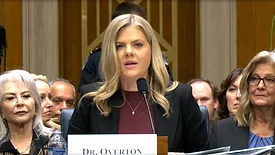
The draft bill proposes sweeping reforms to FDA’s food safety oversight, including GRAS process changes, infant and baby food safety provisions, and federal preemption of state laws. Consumer groups say the FRESH Act’s GRAS reforms and federal preemption language would weaken U.S. food safety.
The bills to be discussed address issues like “Generally Recognized as Safe” (GRAS) determinations, food chemical safety reassessments, food labeling, infant formula and baby food safety, information-sharing between federal and state agencies, additional FDA authorities for human foods oversight, and other topics.
This article reviews why testing for Salmonella is important, the challenges encountered when testing for Salmonella (specifically when using FDA's Bacteriological Analytical Manual Chapter 5 guidelines), and how to evaluate if your testing laboratory is providing reliable testing results.
Cultivated protein is moving from concept to commercialization, but a fragmented mix of federal progress, state-level restrictions, and uneven global regulation makes regulatory strategies a key determinant of success.
Registration is now open for the virtual meetings on FSMA 204, which will be jointly hosted with the Partnership for Food Traceability. FDA is interested in hearing stakeholder feedback on lot-level traceability efforts, industry challenges, and potential solutions.
Working toward an Integrated Food Safety System, by 2030, FDA expects the Better Regulatory Inspections for Dynamic Government Efficiency (BRIDGE) Project to accomplish a more coordinated, data-driven model for domestic food safety oversight across federal and state systems.
FDA’s Human Foods Program specifically would receive a significant increase in funding compared to the previous fiscal year (FY), including $25 million to help address chemical contaminants and additives like PFAS, toxic heavy metals, and GRAS ingredients.
The list of data, method, and research needs spans microbiological and chemical safety, nutrition, risk assessment, and other areas. It is intended to guide researchers who are interested in pursuing impactful food safety research.
Redacted details include the importer of the implicated mangoes, the country in which the mangoes were grown, and the number and names of states in which outbreak cases were reported.