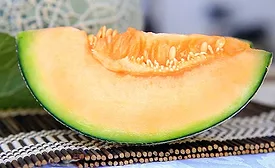
This article examines FDA's investigation of the 2022 regional outbreak of Salmonella Typhimurium on cantaloupe from the Southwest Indiana growing region, which caused 87 reported illnesses and 32 hospitalizations between July and September of that year, and discusses several themes and conclusions related to the outbreak, such as how "business as usual" will continue to produce the same results.
With the proliferation of cannabis legislation in many U.S. states, there is a need to address food safety oversight through a federal regulatory framework
This article discusses the work being done by the Federal Regulatory Framework (FRF) Working Group, a collaboration between the Foundation of Cannabis Unified Standards (FOCUS) and the Association of Food and Drug Officials (AFDO), to advocate for and develop a comprehensive and relevant roadmap for the federal regulatory framework of cannabis-infused edibles and beverages to address critical challenges and enhance consumer confidence.
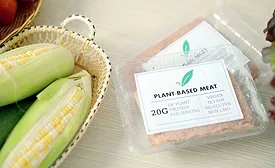
New microbial and chemical risks come with the greater incorporation of plant-based raw materials into human diets and the introduction of reusable packaging
The added microbial risks that come with eating more plant-based foods can usually be mitigated by adjusting recipes or process parameters, although hazard considerations regarding the chemical safety of a diet richer in plant-based materials is more complex. Also, introducing reusable packaging may come with its own set of issues.
Food Standards Australia New Zealand (FSANZ) has announced a public consultation for an application to amend the Australia New Zealand Food Standards Code to permit the use of cultured quail cells as a novel food.
Eagle Product Inspection recently launched its latest innovative solution for the poultry processing industry, the hygienically designed MAXIMIZER RMI inspection system.
Panera Bread is facing wrongful death lawsuits after two customers in vulnerable populations suffered fatal cardiac events following the consumption of the chain’s Charged Lemonade drinks. The lawsuits assert that the drink is not advertised as a dangerously caffeinated beverage.
The owner of the Tchin Tchin Wine Bar in Bordeaux, France has been charged with involuntary homicide after 15 people fell ill and one person died due to botulism caused by contaminated sardine preserves made by the establishment.
Special labeling requirements for supplemented foods sold in Canada are coming into effect. The regulations are already in force, but supplemented foods that are eligible for the transition period have until December 31, 2025 to comply.
A recent U.S.-based study analyzing the risk of multidrug-resistant (MDR) foodborne pathogen contamination of retail meats associated with the processor region of origin and shipping distance to the final destination suggests that increased distance is linked to increased MDR bacterial contamination.
FoodChain ID recently acquired Organic Certifiers Inc., one of the first certification bodies accredited in the U.S. for the U.S. Department of Agriculture (USDA) National Organic Program.
 RSS
RSS