Food Safety
search
Ask Food Safety AI
cart
facebook twitter linkedin
  • Sign In
  • Create Account
  • Sign Out
  • My Account
Food Safety
  • NEWS
    • Latest News
    • White Papers
  • PRODUCTS
  • TOPICS
    • Contamination Control
    • Food Types
    • Management
    • Process Control
    • Regulatory
    • Sanitation
    • Supply Chain
    • Testing and Analysis
  • PODCAST
  • EXCLUSIVES
    • Food Safety Five Newsreel
    • eBooks
    • FSM Distinguished Service Award
    • Interactive Product Spotlights
    • Videos
  • BUYER'S GUIDE
  • MORE
    • ENEWSLETTER >
      • Archive Issues
      • Subscribe to eNews
    • Store
    • Sponsor Insights
    • ASK FSM AI
  • WEBINARS
  • FOOD SAFETY SUMMIT
  • EMAG
    • eMagazine
    • Archive Issues
    • Editorial Advisory Board
    • Contact
    • Advertise
  • SIGN UP!
Food TypeManagementCultureBest PracticesTrainingProduce

Realities and Questions Surrounding Nut Food Safety in 2023
By Jeannie Shaughnessy
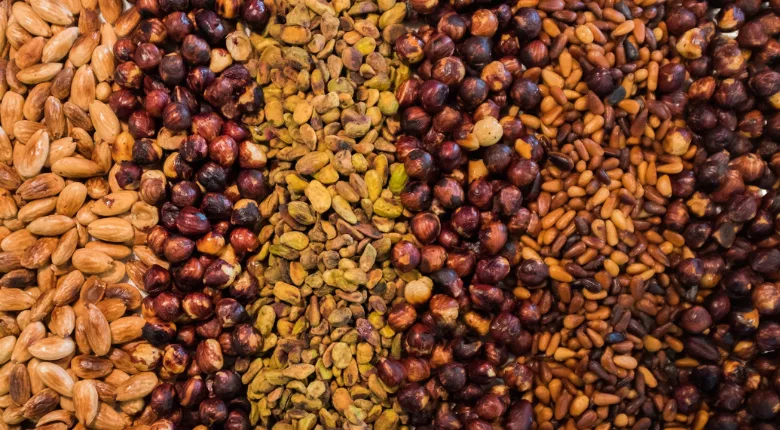
a lot of assorted shelled nuts

Image credit: Peter F via Unsplash

October 17, 2023

The nut industry prides itself on being sincerely interested in learning about and leading the evolution of food safety best practices. After all, it is not an overstatement to say that good food safety outcomes are necessary for business success. Food safety is mission critical to every business in the industry, and solid and successful programs protect brands and consumers alike. Food safety programs also influence difficult business decisions and significant investments, including both time and financial resources.

Recently, during time spent with member companies of the Peanut and Tree Nut Processors Association (PTNPA), we engaged in candid discussions where many unanticipated and constructive discoveries were made. These members include innovative, marquee companies in the nut industry that are determined to efficiently and effectively understand and comply with the myriad federal, state, and even international food safety requirements. Their input says a lot about the landscape of industry food safety and where we are headed.

 Based on these discussions, consumers and regulatory agencies can count on nut industry businesses to prioritize the following: 

  • An integrated business unit approach to food safety: A majority of PTNPA member companies regularly and proactively educate financial, maintenance, and inventory teams on what it means to operate in a culture of food safety. 
  • Food safety training: Nearly 89 percent of PTNPA member companies conduct food safety training at least once a year across all departments and segments of their business. Food safety is a topic when onboarding new employees and at stakeholder—and shareholder—meetings. 
  • Emotionally intelligent leadership: Strong communication and collaboration skills were rated the most critical leadership factors when working to prevent food safety risks or deficiencies in the market.
  • The value of food safety culture: Creating a culture of food safety and implementing programs designed to successfully achieve food safety expectations and requirements emerged as key topics of importance. Almost 95 percent of PTNPA member companies assert that their businesses prioritize food safety for their overall business operations.
  • Innovative, safer products: Nut product innovation is an exciting space, with companies working on creative new solutions and ingredients, which can play a key role in creating a safer food supply.

Our Concerns Go Beyond Our Own Businesses and Industry

With businesses operating in the tricky world of the Food Safety Modernization Act (FSMA), the New Era of Smarter Food Safety blueprint, and organizational and leadership changes within the U.S. Food and Drug Administration (FDA) and the Human Foods Program, along with the U.S. Department of Agriculture (USDA) and Food Safety and Inspection Service (FSIS), there is a lot going on. Even within the topic of appropriations and steady budgeting for training regulatory investigators and inspectors, there are many concerns for our industry. With so much change and uncertainty, it is easy to worry about how much the industry will need to further inform regulatory agencies when it comes to a very specialized and yet complex industry. 

Nut industry companies are hopeful that they will be able to demonstrate more actively what happens in their facilities and operations, and have more meaningful collaboration with regulatory agencies. Trust and the true implementation of "education before regulation" will need to be proven for the greatest shared outcomes as we achieve the goal of consistently providing safe food for all consumers. 

That said, the PTNPA and our members remain completely committed to participating and collaborating in any way we can to provide safe and nutritious products in markets across the world. It will be interesting to see how 2023 ends and 2024 begins as we continue our quest for better food safety with determination. 

Looking for quick answers on food safety topics? Try Ask FSM, our new smart AI search tool. Ask FSM →

Educating, Celebrating Nutrition, and Giving Back

As we close out the year, we continuously work to educate stakeholders through the playful lens and celebration of National Nut Day, which takes place on October 22. A few days beforehand, on October 19, the PTNPA will host a meal-packing event featuring healthy protein- and nutrient-rich shelf-stable nut products to be donated to the Capital Area Food Bank in Washington, D.C. 

Volunteers from congressional offices and the larger food industry are invited to participate on Capitol Hill as we network, give back, and showcase the innovative, delicious, safe products we are so proud to produce and distribute worldwide.

Our Curiosity Continues

We are a curious industry. As we strive to do and be better, our curiosity guides us toward building a safer, more resilient nut industry and food safety system. When we look to the future, there are many questions we ponder that impact food safety: 

  • What will FDA look like in the coming year? 
  • How can we make the biggest difference when it comes to regulatory management and implementation? 
  • Who will be our best partners and allies as we continue to work toward compliance in the growing and complex parts of the industry and the world? 
  • Will regulatory agency investigators and inspectors be trained to really understand our facilities before visiting or issuing direction? 
  • What coalitions will help us be the most robust and resilient industry possible? 
  • What allies do we have in the legislative realm who can ensure that appropriations and funding are allocated in a way that supports food safety? 
  • Will we find efficiencies with emerging technologies? 
  • Will trade and geopolitical forces lead to relief or resolution in the food system? 
  • How will AI help us transform our businesses and food safety outcomes? 
  • Will we continue to struggle with supply chain issues at ports and beyond? 

Moving ahead, the PTNPA and our collective nut industry representatives and colleagues will continue to show up. We will engage, advise, and challenge ourselves and others. We will question and ride the next waves of food safety regulatory action with the hope of collaborating to bring the public the safest food supply ever. To that end, we remain committed and curious!


KEYWORDS: food safety culture Peanut and Tree Nut Processors Association

Share This Story

Jeannie Shaughnessy is the Executive Director and CEO of the Peanut and Tree Nut Processors Association (PTNPA). PTNPA was established in 1939 and has supported the nut industry for more than eight decades. Today, the PTNPA is an association of leading nut industry companies and representatives. PTNPA member companies range from large global organizations to small family-owned businesses that focus on the food industry production of peanuts and tree nuts, along with companies who supply equipment and services critical to the nut industry. The PTNPA also works closely with nut and food industry associations, alliances, and coalitions. The mission of the PTNPA is to proactively advance the nut industry through professional networks, advocacy, and education. 

Recommended Content

JOIN TODAY
to unlock your recommendations.

Already have an account? Sign In

  • people holding baby chicks

    Serovar Differences Matter: Utility of Deep Serotyping in Broiler Production and Processing

    This article discusses the significance of Salmonella in...
    Testing & Analysis
    By: Nikki Shariat Ph.D.
  • woman washing hands

    Building a Culture of Hygiene in the Food Processing Plant

    Everyone entering a food processing facility needs to...
    Sanitation
    By: Richard F. Stier, M.S.
  • graphical representation of earth over dirt

    Climate Change and Emerging Risks to Food Safety: Building Climate Resilience

    This article examines the multifaceted threats to food...
    Risk Assessment
    By: Maria Cristina Tirado Ph.D., D.V.M. and Shamini Albert Raj M.A.
Manage My Account
  • eMagazine Subscription
  • Subscribe to eNewsletter
  • Manage My Preferences
  • Website Registration
  • Subscription Customer Service

More Videos

Sponsored Content

Sponsored Content is a special paid section where industry companies provide high quality, objective, non-commercial content around topics of interest to the Food Safety Magazine audience. All Sponsored Content is supplied by the advertising company and any opinions expressed in this article are those of the author and not necessarily reflect the views of Food Safety Magazine or its parent company, BNP Media. Interested in participating in our Sponsored Content section? Contact your local rep!

close
  • Salmonella bacteria
    Sponsored byThermoFisher

    Food Microbiology Testing Methods: Salmonella species

  • a diagram explaining indicator organisms
    Sponsored byHygiena

    How Proactive Listeria Testing Helps Prevent Six- and Seven-Figure Recalls

  • woman grocery shopping
    Sponsored byCorbion

    Designing Safety Into Every Bite: Proactive Risk Mitigation for Refrigerated Foods

Popular Stories

researcher dropping liquid in petri dishes

First-of-its-Kind Study Shows How Listeria Strains Evolve Into Strong Biofilm Formers

us capitol

MAHA Pushback Kills ‘Big Food’-Aligned Legislative Effort to Stop State Food Laws

restaurant kitchen training

Practical Training Aids for Effective Food Safety Training

Events

November 11, 2025

Feeding the Future: How Lessons From 2025 Will Shape 2026

Live: November 11, 2025 at 10:00 am EST: This webinar will bring together LRQA experts and industry leaders to explore how lessons from 2025 will shape 2026, focusing on building resilient, digitally enabled, and consumer-trusted food systems.

November 18, 2025

Dry Sanitation and Cleaning Techniques for Facilities and Equipment

Live: November 18, 2025 at 12:00 pm EDT: From this webinar, attendees will learn best practices employed by dry/low-moisture food processors for dry sanitation and equipment cleaning.

November 20, 2025

New U.S. Additive Bans: How to Prepare and Protect Your Brand

Live: November 20, 2025 at 11:00 am EST: From this webinar, attendees will learn the impact of ingredient restrictions on product development, sourcing, labeling, and market access.

View All

Products

Global Food Safety Microbial Interventions and Molecular Advancements

Global Food Safety Microbial Interventions and Molecular Advancements

See More Products

Related Articles

  • almond branch with emerging almonds

    Industry Handbook for Safe Processing of Nuts: An Ever-Evolving Resource to Meet the Needs of a Complex Industry

    See More
  • PTNPA Summit 2023

    Food Safety Culture was Large Focus of 2023 PTNPA Summit

    See More
  • PTNPA and Ivory Coast delegates

    PTNPA Promotes Food Safety to Ivory Coast’s Growing Nut Industry

    See More

Related Products

See More Products
  • 1119237963.jpg

    Food Safety in China: Science, Technology, Management and Regulation

  • 9781138070912.jpg

    Trends in Food Safety and Protection

  • 1119053595.jpg

    Food Safety for the 21st Century: Managing HACCP and Food Safety throughout the Global Supply Chain, 2E

See More Products

Related Directories

  • Michigan State University Online Food Safety Program

    MSU's Online Food Safety program strives to educate professionals on how to make global food systems safe. The program consists of a master’s degree and graduate certificate, both entirely online. Each program will provide students with applicable knowledge to navigate the ever-changing concerns surrounding food safety, food protection, and public health.
×

Never miss the latest news and trends driving the food safety industry

eNewsletter | Website | eMagazine

JOIN TODAY!
  • RESOURCES
    • Advertise
    • Contact Us
    • Directories
    • Store
    • Want More
  • SIGN UP TODAY
    • Create Account
    • eMagazine
    • eNewsletter
    • Customer Service
    • Manage Preferences
  • SERVICES
    • Marketing Services
    • Reprints
    • Market Research
    • List Rental
    • Survey/Respondent Access
  • STAY CONNECTED
    • LinkedIn
    • Facebook
    • Instagram
    • X (Twitter)
  • PRIVACY
    • PRIVACY POLICY
    • TERMS & CONDITIONS
    • DO NOT SELL MY PERSONAL INFORMATION
    • PRIVACY REQUEST
    • ACCESSIBILITY

Copyright ©2025. All Rights Reserved BNP Media.

Design, CMS, Hosting & Web Development :: ePublishing