Food Safety
search
Ask Food Safety AI
cart
facebook twitter linkedin
  • Sign In
  • Create Account
  • Sign Out
  • My Account
Food Safety
  • NEWS
    • Latest News
    • White Papers
  • PRODUCTS
  • TOPICS
    • Contamination Control
    • Food Types
    • Management
    • Process Control
    • Regulatory
    • Sanitation
    • Supply Chain
    • Testing and Analysis
  • PODCAST
  • EXCLUSIVES
    • Food Safety Five Newsreel
    • eBooks
    • FSM Distinguished Service Award
    • Interactive Product Spotlights
    • Videos
  • BUYER'S GUIDE
  • MORE
    • ENEWSLETTER >
      • Archive Issues
      • Subscribe to eNews
    • Store
    • Sponsor Insights
    • ASK FSM AI
  • WEBINARS
  • FOOD SAFETY SUMMIT
  • EMAG
    • eMagazine
    • Archive Issues
    • Editorial Advisory Board
    • Contact
    • Advertise
  • SIGN UP!
ManagementSupply ChainCultureTraceability/Recall

Industry Handbook for Safe Processing of Nuts: An Ever-Evolving Resource to Meet the Needs of a Complex Industry
By Jeannie Shaughnessy
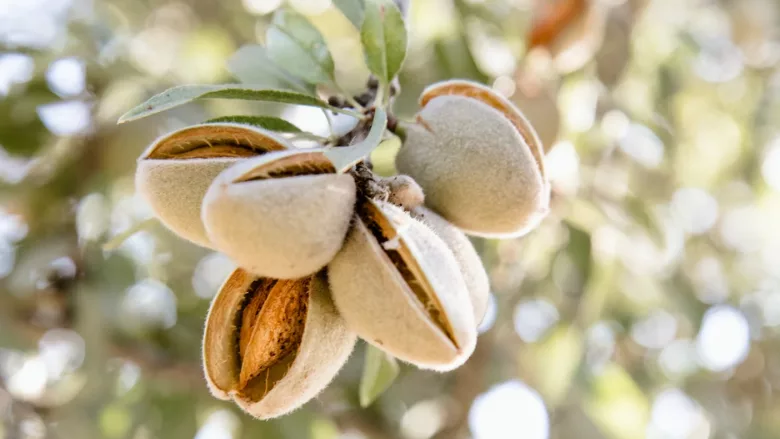
almond branch with emerging almonds

Credit: Marcia Cripps (marciacrippsphoto) via Unsplash

October 10, 2022

It can be mind-boggling to think about the changes that have taken place in standards, equipment, tools, research, technology, and training in the food industry during just the past decade, let alone since 1939 when the Peanut and Tree Nut Processors Association (PTNPA) was founded. To help our members and the nut industry as a whole continue to adapt and innovate, PTNPA conducts an annual Technical Forum focused on today's most pressing challenges, expectations, and potential solutions. It includes everything from supply chain disruptions—which can occur anywhere along the path of growing, processing, testing, packaging, storing, and shipping—and geopolitical influence on import and export markets to ingredient shortages, labeling accuracy, allergen management, and even the security of food facilities. To put it mildly, it is a complex system. 

PTNPA members focused on these issues and more during the 2022 Technical Forum, held over the summer. Event attendees shared authentic, real-world scenarios, evaluated risks and decisions, established best practices, and left with a better understanding of regulatory management and applicable solutions for today's unparalleled challenges.

"The PTNPA Technical Forum offered a timely opportunity for candid conversations with Food and Drug Administration [FDA] leaders and food safety experts, who engaged with us on critical topics for today's market. Highlighted discussions centered on traceability, cross-contamination, best practices for oil roasting, and so much more. The experience was invaluable," said John Larsen, chair of the PTNPA Board of Directors and President and Co-Owner of Marathon Ventures Inc.

A key outcome of the 2022 Technical Forum was the presentation of the newly-released fourth edition of the Industry Handbook for Safe Processing of Nuts—an industry-wide reference tool for training, development, and operations in any facility that handles nuts at any point in the supply chain. Led by members of the PTNPA Technical Committee, this latest edition includes an update to the Food Fraud section and the addition of two new sections: Food Safety Culture and Traceability. 

Industry Handbook: Food Safety Culture

In its blueprint for the New Era of Smarter Food Safety, FDA identifies food safety culture as one of four key elements tied to achievable goals. During last year's Technical Forum, PTNPA focused on deep-dive discussions, ideas, and suggestions to build and lead a culture of food safety in its operations and across the entire industry. This year, member companies shared best practices, new priorities, and outcomes around embracing and cultivating a culture of food safety. Demonstrated successes included new employee onboarding in all departments, which included food safety expectations, examples, and resources; in-house food safety task forces that review challenges and lead organizational change; reward and recognition programs for employees who take action to improve food safety; and leadership/management meetings to strategically lead and budget for food safety initiatives. 

The new Food Safety Culture section of the Industry Handbook outlines key elements for success in building a culture of food safety: 

Looking for quick answers on food safety topics?
Try Ask FSM, our new smart AI search tool.
Ask FSM →

  • Leadership: Food safety starts at the top
  • People: Food safety is everyone's responsibility
  • Communication: Communicating food safety organization-wide must be a priority 
  • Measurement: Continuous improvement is required to raise the bar.

Additionally, the Industry Handbook includes a list of references and resources for further theory and implementation around building a culture of food safety. 

Industry Handbook: Traceability

Another key element of FDA's New Era of Smarter Food Safety is creating a safer, more digital, and more traceable food system. Anticipating FDA's release of the final Traceability Rule in November 2022, PTNPA, our Technical Committee, and our member companies have been working diligently to interpret the draft guidance in preparation for the increased expectation of tracing capabilities. During the 2022 Technical Forum, members of the PTNPA Technical Committee presented the Industry Handbook's second new section, Traceability, which delivers step-by-step planning for process innovation and meeting any new regulations:

  • Creating a traceability plan 
  • Nine main components of traceability 
    1. Supply chain structure
    2. Product destination
    3. Lot identification
    4. Time requirements for a trace
    5. Integrity of the traceability method
    6. Data standardization
    7. Data identification methods
    8. Traceability and information management integration
    9. Traceability legislation
  • FDA expectations.

Industry Handbook: Expanding Access and Distribution

Knowing the invaluable resource the Industry Handbook provides to the nut industry, PTNPA has expanded its access. Initially intended only for PTNPA members, the Industry Handbook is now a free public resource available for download by anyone in the food industry. Additionally, PTNPA proactively distributes each edition of the Industry Handbook to regulatory agencies and industry stakeholders. 

Each new edition reevaluates content for current relevance and broadens sections, as needed, to address the ever-changing regulatory, food safety, and supply chain landscapes. With the third edition, PTNPA began presenting sections as webinars that can be downloaded by members and viewed by teams and organizations during trainings and orientations. In the past year, PTNPA is proud to have presented a Spanish translation of these webinars.

The Industry Handbook for Safe Processing of Nuts is available at PTNPA.org.


KEYWORDS: food safety culture Peanut and Tree Nut Processors Association peanuts traceability tree nuts

Share This Story

Jeannie Shaughnessy is the Executive Director and CEO of the Peanut and Tree Nut Processors Association (PTNPA). PTNPA was established in 1939 and has supported the nut industry for more than eight decades. Today, the PTNPA is an association of leading nut industry companies and representatives. PTNPA member companies range from large global organizations to small family-owned businesses that focus on the food industry production of peanuts and tree nuts, along with companies who supply equipment and services critical to the nut industry. The PTNPA also works closely with nut and food industry associations, alliances, and coalitions. The mission of the PTNPA is to proactively advance the nut industry through professional networks, advocacy, and education. 

Recommended Content

JOIN TODAY
to unlock your recommendations.

Already have an account? Sign In

  • people holding baby chicks

    Serovar Differences Matter: Utility of Deep Serotyping in Broiler Production and Processing

    This article discusses the significance of Salmonella in...
    Meat/Poultry
    By: Nikki Shariat Ph.D.
  • woman washing hands

    Building a Culture of Hygiene in the Food Processing Plant

    Everyone entering a food processing facility needs to...
    Sanitation
    By: Richard F. Stier, M.S.
  • graphical representation of earth over dirt

    Climate Change and Emerging Risks to Food Safety: Building Climate Resilience

    This article examines the multifaceted threats to food...
    Risk Assessment
    By: Maria Cristina Tirado Ph.D., D.V.M. and Shamini Albert Raj M.A.
Manage My Account
  • eMagazine Subscription
  • Subscribe to eNewsletter
  • Manage My Preferences
  • Website Registration
  • Subscription Customer Service

More Videos

Sponsored Content

Sponsored Content is a special paid section where industry companies provide high quality, objective, non-commercial content around topics of interest to the Food Safety Magazine audience. All Sponsored Content is supplied by the advertising company and any opinions expressed in this article are those of the author and not necessarily reflect the views of Food Safety Magazine or its parent company, BNP Media. Interested in participating in our Sponsored Content section? Contact your local rep!

close
  • Salmonella bacteria
    Sponsored byThermoFisher

    Food Microbiology Testing Methods: Salmonella species

  • a diagram explaining indicator organisms
    Sponsored byHygiena

    How Proactive Listeria Testing Helps Prevent Six- and Seven-Figure Recalls

  • woman grocery shopping
    Sponsored byCorbion

    Designing Safety Into Every Bite: Proactive Risk Mitigation for Refrigerated Foods

Popular Stories

baby eating bottle

Infant Botulism Spike Exceeds 100 Cases, Extent of ByHeart's Involvement Unclear

NRTE breaded stuffed chicken

USDA Indefinitely Delays Enforcement of Salmonella as Adulterant in Raw Breaded, Stuffed Chicken

digital map of europe

EU Publishes Food Fraud Tool Mapping Thousands of Cases Since 2016

Events

December 11, 2025

How to Develop and Implement an Effective Food Defense Strategy

Live: December 11, 2025 at 2:00 pm EDT: From this webinar, attendees will learn common areas where companies encounter challenges in their food defense strategies and how to address them.

May 11, 2026

The Food Safety Summit

Stay informed on the latest food safety trends, innovations, emerging challenges, and expert analysis. Leave the Summit with actionable insights ready to drive measurable improvements in your organization. Do not miss this opportunity to learn from experts about contamination control, food safety culture, regulations, sanitation, supply chain traceability, and so much more.

View All

Products

Global Food Safety Microbial Interventions and Molecular Advancements

Global Food Safety Microbial Interventions and Molecular Advancements

See More Products

Related Articles

  • a lot of assorted shelled nuts

    Realities and Questions Surrounding Nut Food Safety in 2023

    See More
  • PTNPA logo

    Fifth Edition of the Handbook for the Safe Handling and Processing of Nuts Released

    See More
  • A Different Type of Herd Immunity: The SAFE TO WORK Act in the Meat Processing Industry

    See More

Related Products

See More Products
  • 9781498721776.jpg

    Handbook of Food Processing: Food Safety, Quality, and Manufacturing Processes

  • 1444333348.jpg

    Handbook of Food Safety Engineering

  • 1119053595.jpg

    Food Safety for the 21st Century: Managing HACCP and Food Safety throughout the Global Supply Chain, 2E

See More Products

Related Directories

  • Fayette Industrial

    At Fayette, we understand that cleanliness in your meat, poultry, pork, or ready-to-eat facility isn't just about passing inspections—it's about protecting your entire business. Our specialized contract sanitation services are tailored to your specific processing environment with rigorous pathogen prevention protocols and audit preparation that exceed regulatory standards.
  • Institute of Food Technologists

    Since 1939, the Institute of Food Technologists (IFT) has served as the voice of the global food science community. IFT advocates for science, technology, and research to address the world’s greatest food challenges, guiding our community of more than 200,000. IFT convenes professionals from around the world – from producers and product developers to innovators and researchers across food, nutrition, and public health – with a shared mission to help create a global food supply that is sustainable, safe, nutritious, and accessible to all. IFT provides its growing community spanning academia, industry, and government with the resources, connections, and opportunities necessary to stay ahead of a rapidly evolving food system as IFT helps feed the minds that feed the world. For more information, please visit ift.org.
×

Never miss the latest news and trends driving the food safety industry

eNewsletter | Website | eMagazine

JOIN TODAY!
  • RESOURCES
    • Advertise
    • Contact Us
    • Directories
    • Store
    • Want More
  • SIGN UP TODAY
    • Create Account
    • eMagazine
    • eNewsletter
    • Customer Service
    • Manage Preferences
  • SERVICES
    • Marketing Services
    • Reprints
    • Market Research
    • List Rental
    • Survey/Respondent Access
  • STAY CONNECTED
    • LinkedIn
    • Facebook
    • Instagram
    • X (Twitter)
  • PRIVACY
    • PRIVACY POLICY
    • TERMS & CONDITIONS
    • DO NOT SELL MY PERSONAL INFORMATION
    • PRIVACY REQUEST
    • ACCESSIBILITY

Copyright ©2025. All Rights Reserved BNP Media.

Design, CMS, Hosting & Web Development :: ePublishing