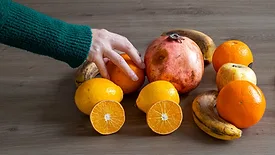
Supported by the Center for Produce Safety (CPS), Cornell researchers are developing a quantitative microbial risk assessment (QMRA) model to evaluate how quality defects affect Listeria and E. coli growth on produce, helping identify effective interventions and improve processes.
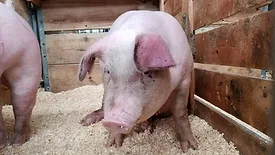
CDC and USDA-FSIS researchers analyzed 50 salmonellosis outbreaks linked to pork and identified the most commonly implicated
products and serotypes, as well as the prevalence of antimicrobial resistance among isolates.
Genomic analysis also identified biofilm-forming ability in half of isolates, as well as clinically relevant virulence genes. The study, conducted in the Indian state of Meghalaya, represents the country’s first genomic characterization of C. jejuni from pig sources.
The proposal would expand the Threshold of Regulation (TOR) exemption to include food additives and ingredients, which would allow chemicals to enter the U.S. food supply without oversight if they meet TOR criteria. TOR submissions only require minimal data rather than comprehensive safety evidence.
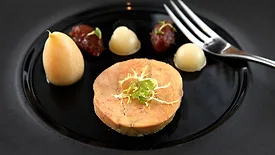
The Food Standards Australia New Zealand (FSANZ) Board approved an application to permit the use of cell-cultured duck biomass in combination with other ingredients to make products such as foie gras and pâté.
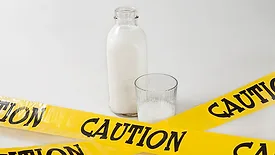
The policy statement comes as raw milk consumption rises in popularity due to high-profile individuals and influencers touting its purported health benefits, and in the wake of a highly publicized case of a California toddler who fell severely ill after being infected with E. coli from raw goat’s milk.
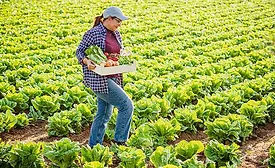
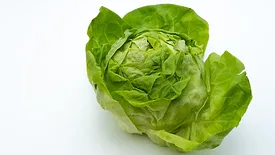
Taylor Farms outlined actions it is taking to enhance food safety following the historic cyclosporiasis outbreak linked to its lettuce. The same day, Consumer Reports sent a letter to FDA requesting answers about why its outbreak response was “hindered by notable delays and a lack of transparency.”
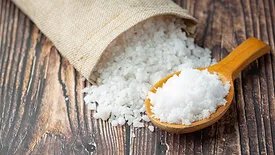
A final rule now permits the use of salt substitutes in foods with standards of identity (SOI) that specify salt (sodium chloride) as a required or optional ingredient.
The Bethlehem site is dedicated to developing natural coffee taste and flavor profiles for food and beverage applications and has been equipped with roasting, extraction, concentration, and processing technologies intended to produce formulation-specific ingredients.
Positive environmental samples were found on a farm and at a Taylor Farms of Mexico processing facility, which supplied the implicated lettuce distributed by Taylor Fresh Foods. The root cause of contamination was not found, however. FDA also announced ten actions to prevent future cyclosporiasis outbreaks.
 RSS
RSS