Studies funded by the Center for Produce Safety (CPS) are investigating ways to improve produce packinghouse brush sanitation, including the use of antimicrobial light and choosing the best time to replace brushes.
A new study demonstrated the efficacy of far-UV-C light at 222 nm for inactivating human norovirus on surfaces. As it is safe for humans, researchers believe UV-C 222 could enable real-time, continuous disinfection in enclosed foodservice settings and food processing environments.
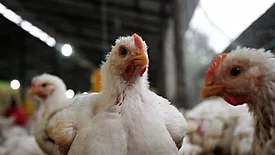
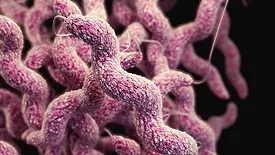
Campylobacter is the leading cause of foodborne illness in the UK, most frequently linked to contaminated chicken. The UK Food Standards Agency conducted a scientific assessment to consider possible future actions for reducing foodborne campylobacteriosis.
CDC has published a report summarizing the multistate enteric disease outbreaks it solved in 2024, of which 29 were foodborne, resulting in 1,533 illnesses, 519 hospitalizations, and 19 deaths.
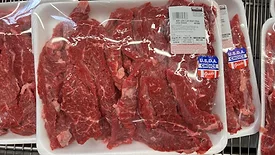
Consumers often throw away meat that is still safe to eat based on the “sell by” date. Auburn University researchers are investigating methods to predict meat spoilage based on microbial activity, which would enable more accurate “sell by” dates.
This episode of Food Safety Five discusses several foodborne pathogens that have been recently highlighted by researchers due to their unusual nature, emergence, and increasing public health significance, including a rare Salmonella strain, an STEC/ETEC hybrid, Group B Streptococcus, and drug-resistant Shigella.
The action plan would outline strategies to mitigate Campylobacter and reduce cases of foodborne illness. Those who are interested in contributing to the development of the action plan are invited to register to receive communications about stakeholder engagement.
The E. coli outbreak involving Raw Farm unpasteurized dairy products has ended with one raw cheese sample matching isolates from a different 2025 outbreak. In an April 29 hearing, Congresspeople questioned whether U.S. Health Secretary Kennedy influenced FDA’s failure to mandate a recall.
In 2025, a genetically unique hybrid STEC/STEC strain was the cause of a foodborne illness outbreak that affected exclusively adults, with 90 percent of patients developing hemolytic uremic syndrome (HUS) and three deaths occurring.
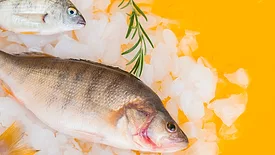
Associated with freshwater fish consumption and handling, GBS ST283 causes invasive infections, including meningitis, septic arthritis, and bacteremia. WGS has played a central role in recognizing the pathogen as a foodborne hazard. FAO has identified GBS ST283 as a hazard requiring structured risk profiling.
 RSS
RSS