Researchers examined four different antimicrobial surface technologies and evaluated their potential suitability for reusable food packaging, addressing the challenges of microbial adhesion, biofilm formation, and cross-contamination between reuse cycles.
The researchers concluded that integrating multiple sampling matrices and detection methods could improve understanding of Campylobacter occurrence in commercial broiler production and support preharvest surveillance.
The amendments to European food hygiene regulations would provide food business operators with greater flexibility in the storage of fresh meat from domestic ungulates (i.e., cattle, sheep, pigs) before freezing, based on a recent EFSA scientific opinion.
The company will pay the U.S. and states for “knowingly manufacturing infant formula purchased with taxpayer dollars [under state Medicaid and WIC programs] in an environment that put the products at unacceptable risk of microbial contamination.”
USDA and University of Arkansas researchers concluded that the plant-derived antimicrobial compound could possibly offer a natural disinfection solution for controlling S. Infantis biofilms on plastic and stainless steel surfaces in poultry and food processing facilities.
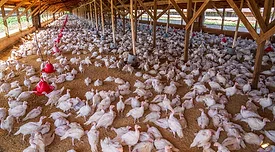
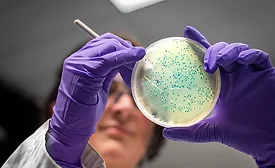
This episode of Food Safety Five covers new research on the impact of spray application on sanitizer efficacy, ROI of WGS for foodborne pathogen surveillance, effect of common food additives on gut health and implications for safety assessment, and contribution of industrial poultry farming to global Campylobacter spread.
CDC has declared the unprecedented Cyclospora outbreak linked to Taylor Farms iceberg lettuce over. FDA continues its root cause investigation of the current outbreak as well as investigations into other U.S. cyclosporiasis outbreak clusters.
In eight sampling and testing assignments spanning several years and various targeted food commodities, the majority of samples tested were deemed to be satisfactory when analyzed for chemical contaminants, hygiene indicators, and pathogenic bacteria, viruses, and parasites.
Based on an analysis of 2.8 million samples collected in 41 countries over 25 years, the global pooled prevalence of foodborne and zoonotic bacteria, viruses, and parasites was 15 percent.
An interim report details how Michigan investigators gathered early epidemiologic evidence pointing to iceberg lettuce in the massive U.S. cyclosporiasis outbreak, and how patient interview data helped inform public health actions and FDA’s traceback in real time.
 RSS
RSS