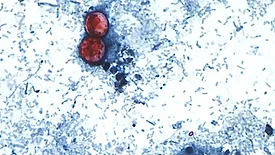
Per CDC, 843 domestically acquired cyclosporiasis cases have been confirmed in 31 states, plus another 1,500 pending analysis. Michigan alone has reported more than 2,600 cases and is looking at lettuce as a potential vehicle of illness.
The vaccine provided 89 percent protection against S. sonnei infection compared with the placebo. Vaccinated participants also experienced less severe symptoms and lower levels of bacterial shedding. The vaccine is being developed as drug resistance among Shigella continues to increase.
The study represents the first publication of a large FDA dataset on ochratoxin A (OTA) occurrence in U.S. foods. OTA was detected above the limit of detection in 3.5 percent of all samples (which were targeted based on their susceptibility to contamination).
Cruise ships are self-contained, complex ecosystems where pathogens like norovirus present a heightened risk to passengers. Highly contagious, environmentally persistent, and operationally disruptive, norovirus has long been the single greatest food safety challenge facing the cruise industry.
L. monocytogenes is the fourth-leading foodborne illness-related cause of death in the U.S. Despite continued efforts, listeriosis incidence rates have not declined, prompting FDA to launch a series of public engagements to discuss best practices for managing the pathogen.
The label claim “STABILIZED” would indicate that a ready-to-eat (RTE) product had been formulated or processed to inhibit Listeria monocytogenes growth. The researchers advocate for formulation and process changes as listeriosis rates climb in Europe and stricter EU Listeria regulations come into effect.
Cyclosporiasis is surging across the U.S., with CDC and state public health officials reporting a growing number of cases. Michigan alone has reported more than 1,200 Cyclospora infections since June, resulting in at least 44 hospitalizations.
Four infants in three states have been hospitalized with botulism after consuming Nara Organics Whole Milk Organic Powdered Infant Formula. California public health officials have detected Clostridium botulinum in an open can of Nara Organics formula collected from the home of an outbreak patient.
This episode of Food Safety Five covers a novel detection method for Clostridium botulinum and a potential new processing approach to mitigate contamination, as well as growing discussion around how C. botulinum should be handled in infant formula manufacturing, spurred by recent botulism outbreaks.
The Danish Annual Report on Zoonoses summarizes trends in foodborne disease, zoonotic pathogens, and surveillance activities across humans, animals, food, and the environment.
 RSS
RSS