Commission Regulation (EU) 2026/2289 has revised maximum residue limits (MRLs) for acequinocyl, deltamethrin, dodine, maleic hydrazide, pinoxaden, and prothioconazole.
In a new report, FAO assessed mycotoxin contamination in food and feed across the region and highlighted disparities in national regulatory frameworks, laboratory capacities, and surveillance systems, as well as the increasing impact of climate change on contamination risks.
According to the review, microbiological and chemical food safety hazards in the country are exacerbated by inadequate water and sanitation infrastructure, limited regulatory oversight, and food insecurity.
The actions are part of FDA's Closer to Zero initiative, which aims to continually reduce dietary exposure to toxic heavy metals among babies and young children.
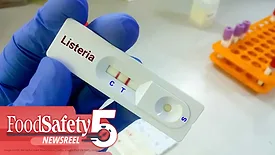
This episode covers the final findings from the U.S. Cyclospora outbreak, new USDA efforts to address Listeria, the new FDA Food Code, research on high-pressure processing for raw chicken, and emerging food safety concerns associated with plastic pollution.
The proposal would expand the Threshold of Regulation (TOR) exemption to include food additives and ingredients, which would allow chemicals to enter the U.S. food supply without oversight if they meet TOR criteria. TOR submissions only require minimal data rather than comprehensive safety evidence.
The Baby Food Protection Act aims to set enforceable limits for total arsenic, lead, cadmium, and mercury, as well as a state testing program and labeling requirements for manufacturers.
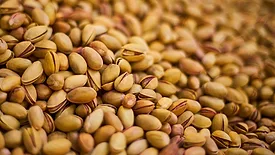
Sodium hypochlorite (NaOCl), a chlorine-based chemical used to bleach tree nut shells for aesthetic purposes, can react with fatty acids in the edible kernels to form potentially harmful fatty acid chlorohydrins. Researchers called for further toxicological evaluation of these process contaminants.
FDA found Indonesia’s Cs-137 import certification program for shrimp and spices, launched because cesium-contaminated shipments of shrimp and spices were detected in the U.S., “substantially meets requirements” after the certifying entities corrected deficiencies identified through an in-country assessment.
AB 1603 requires the California Department of Pesticide Regulation to indicate when pesticides contain PFAS ingredients in its online database and include use trends in annual reports.
 RSS
RSS