In a September 25 public meeting and supplementary document, the U.S. Food and Drug Administration (FDA) outlined its developing enhanced, systematic process for the post-market assessment of chemicals in food. The proposed process is open for public comment until December 6.
In the wake of the California School Food Safety Act, on October 11, the Institute of Food Technologists (IFT) will hold a free, publicly available webinar discussing how consumer concerns about artificial food coloring are influencing policies and shaping the regulatory future of food additives.
The U.S. Food and Drug Administration (FDA) has updated the Mycotoxins in Domestic and Imported Human Foods Compliance Program to include T-2/HT-2 toxins and zearalenone, and to reflect the use of a new multi-mycotoxin method for analysis in human foods.
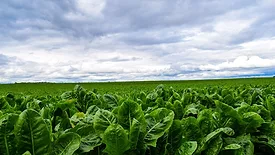
Designed for Salinas Valley, California growers, an ongoing project supported by the Center for Produce Safety will leverage existing science and consider unique farming operation factors to create a user-friendly tool that assesses Escherichia coli contamination risk and provides actionable mitigation measures.
Rep. Rosa DeLauro’s Toxic Free Food Act would require the U.S. Food and Drug Administration (FDA) to overhaul the “generally recognized as safe” (GRAS) process, calling it a “loophole” that allows substances to secretly enter the food supply without adequate safety review.
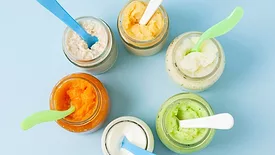
Baby food producer Little Spoon is the first U.S. company in the sector to promise to never sell product that exceeds EU-aligned limits for toxic heavy metals, pesticides, and plasticizers, and to voluntarily publicize its product testing results.
To understand the full extent of human exposure to all food contact chemicals, the Food Packaging Forum has created the FCChumon Database, which documents for the first time hundreds of chemicals found in humans, and which of those are hazardous or have unknown toxicity.
The European Parliament blocked two European Commission decisions that would have set tolerances for EU-banned pesticides in a range of imported foods.
Senator Cory Booker’s Safe School Meals Act proposes widespread reforms that would reduce the presence of toxic heavy metals, pesticides, artificial food dyes, and chemicals in school lunches, and would mandate research to progress remediation methods for environmental contaminants polluting farms.
 RSS
RSS