Food Safety
search
Ask Food Safety AI
cart
facebook twitter linkedin instagram youtube
  • Sign In
  • Create Account
  • Sign Out
  • My Account
Food Safety
  • NEWS
    • Latest News
    • White Papers
  • PRODUCTS
  • TOPICS
    • Contamination Control
    • Food Types
    • Management
    • Process Control
    • Regulatory
    • Sanitation
    • Supply Chain
    • Testing and Analysis
  • PODCAST
  • EXCLUSIVES
    • Food Safety Five Newsreel
    • eBooks
    • FSM Distinguished Service Award
    • Interactive Product Spotlights
    • Videos
  • BUYER'S GUIDE
  • MORE
    • NEWSLETTERS >
      • Archive Issues
      • Subscribe to eNews
    • Store
    • Sponsor Insights
    • ASK FSM AI
  • WEBINARS
  • FOOD SAFETY SUMMIT
  • EMAG
    • eMagazine
    • Archive Issues
    • Editorial Advisory Board
    • Contact
    • Advertise
  • SIGN UP!
NewsContamination ControlFood TypeRegulatoryMicrobiological ControlMeat/PoultryUSDA

USDA Experiments Show Cooking Beef Patties to “Well Done” Kills HPAI Virus

By Food Safety Magazine Editorial Team
burger patties on grill flame

Image credit: Joshua Kantarges via Unsplash

May 17, 2024

On May 16, 2024, in a webinar, titled, “2024 Bird Flu: What You Need to Know,” jointly presented by the U.S. Centers for Disease Control and Prevention (CDC) and WebMD, a U.S. Department of Agriculture (USDA) official revealed some findings from the agency’s ongoing testing of beef products for viable Highly Pathogenic Avian Influenza (HPAI) H5N1 virus (also known as “bird flu”).

Eric Deeble, D.V.M., Acting Senior Advisor for HPAI at USDA, said during the webinar that federal inspectors routinely purchase and test retail meat, and to this date, HPAI H5N1 has not been detected in beef. Additionally, he shared about a recent USDA experiment using ground beef patties that were inoculated with an H5N1 surrogate virus. The agency found that cooking the beef to “well done,” or 160 °F (71 °C), effectively inactivated any virus present. Cooking the patties to “rare,” or 120 °F (49 °C), resulted in much of the H5N1 present to die off; however, some of the virus remained viable on the patties.

USDA’s Food Safety and Inspection Service’s (FSIS’) standing advice to cook beef patties to an internal temperature of 160 °F remains unchanged. All U.S. cattle are also required to be tested for and free of HPAI H5N1 before crossing state lines.

The agency is also currently conducting whole-muscle beef cuts for evidence of H5N1. The results will be available in the near future.

Looking for quick answers on food safety topics?
Try Ask FSM, our new smart AI search tool.
Ask FSM →


KEYWORDS: HPAI

Share This Story

Fsm purple logo 200x200

The Food Safety Magazine editorial team comprises Bailee Henderson, Digital Editor ✉ and Adrienne Blume, M.A., Editorial Director.

Recommended Content

JOIN TODAY
to unlock your recommendations.

Already have an account? Sign In

  • people holding baby chicks

    Serovar Differences Matter: Utility of Deep Serotyping in Broiler Production and Processing

    This article discusses the significance of Salmonella in...
    Contamination Control
    By: Nikki Shariat Ph.D.
  • woman washing hands

    Building a Culture of Hygiene in the Food Processing Plant

    Everyone entering a food processing facility needs to...
    Sanitation
    By: Richard F. Stier, M.S.
  • graphical representation of earth over dirt

    Climate Change and Emerging Risks to Food Safety: Building Climate Resilience

    This article examines the multifaceted threats to food...
    Management
    By: Maria Cristina Tirado Ph.D., D.V.M. and Shamini Albert Raj M.A.
Manage My Account
  • eMagazine Subscription
  • Subscribe to Newsletters
  • Manage My Preferences
  • Website Registration
  • Subscription Customer Service

More Videos

Sponsored Content

Sponsored Content is a special paid section where industry companies provide high quality, objective, non-commercial content around topics of interest to the Food Safety Magazine audience. All Sponsored Content is supplied by the advertising company and any opinions expressed in this article are those of the author and not necessarily reflect the views of Food Safety Magazine or its parent company, BNP Media. Interested in participating in our Sponsored Content section? Contact your local rep!

close
  • NEVIFIT 3 Compartment BPA-FREE
    Sponsored byCorbion

    The Risks of Ready-to-Eat: Five Ways to Protect Today's Prepared Meals

  • a group of workers in a food production facility
    Sponsored bySkillUp by Registrar Corp

    How to Build a Better Training Program: Data and Insights from the Global Food Safety Training Survey

  • the use of dual-energy X-ray food inspection technology to identify foreign contaminants.
    Sponsored byEagle by METTLER TOLEDO

    Precision Inspection Starts with the Right X-ray Detector

Popular Stories

green powder/moringa in wooden mortar

FDA Opens Third Salmonella–Moringa Outbreak Investigation of the Year

clover hill dairy recalled cheese products

Eight Sick, One Dead in Three-Year Listeria Outbreak Linked to Soft Cheese

diverse friends eating meal together

Global Foodborne Disease Burden Comparable to Malaria, Per Updated WHO Estimates

a practical guide to spoilage investigation webinar

Events

June 10, 2026

A Practical Guide to Spoilage Investigation and Prevention

Live: June 10, 2026 at 11:00 am EDT: Join this webinar to learn how to identify spoilage root causes, reduce risk, and apply data-driven strategies for prevention.

June 16, 2026

Sustainable Food Contact Materials: Where Regulation Meets Analytical Testing

Live: June 16, 2026 at 11:00 am EDT: This webinar explores how sustainability regulations are changing food contact material requirements, including packaging compliance, unintended substances, and per- and polyfluoroalkyl substances.

June 17, 2026

Living HACCP: Practical Steps for Implementation

Live: June 17, 2026, at 12:00 pm EDT: From this webinar, attendees will understand how social norms shape the way hazards are understood, how decisions are made, and how well risks are understood and acted on across companies.

View All

Products

Global Food Safety Microbial Interventions and Molecular Advancements

Global Food Safety Microbial Interventions and Molecular Advancements

See More Products

Related Articles

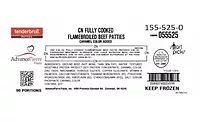
  • AdvancePierre Foods, Inc. Recalls Frozen Beef Patties due to Possible Foreign Matter Contamination

    AdvancePierre Foods, Inc. recalls frozen beef patties due to possible foreign matter contamination

    See More
  • Well-done or Over-done? Questioning Popular Notions About Meat and Cancer

    See More
  • FDA Issues Final Guidance on Acrylamide in Well-Done Foods

    See More

Related Products

See More Products
  • Food-Forensics-3D.jpg

    Food Forensics Handbook Practice, Instrumentation, Case Studies

  • 9781498721776.jpg

    Handbook of Food Processing: Food Safety, Quality, and Manufacturing Processes

  • 1119258073.jpg

    FSMA and Food Safety Systems: Understanding and Implementing the Rules

See More Products

Related Directories

  • Slofoodgroup

    Slofoodgroup is an online spice shop for vanilla beans, spices and specialty ingredients for cooking and baking. We delivered the world's finest flavors to chefs, home cooks and commercial producers.
×

Never miss the latest news and trends driving the food safety industry

Newsletters | Website | eMagazine

JOIN TODAY!
  • RESOURCES
    • Advertise
    • Contact Us
    • Directories
    • Store
    • Want More
  • SIGN UP TODAY
    • Create Account
    • eMagazine
    • Newsletters
    • Customer Service
    • Manage Preferences
  • SERVICES
    • Marketing Services
    • Reprints
    • Market Research
    • List Rental
    • Survey/Respondent Access
  • STAY CONNECTED
    • LinkedIn
    • Facebook
    • Instagram
    • X (Twitter)
  • PRIVACY
    • PRIVACY POLICY
    • TERMS & CONDITIONS
    • DO NOT SELL MY PERSONAL INFORMATION
    • PRIVACY REQUEST
    • ACCESSIBILITY

Copyright ©2026. All Rights Reserved BNP Media, Inc. and BNP Media II, LLC.

Design, CMS, Hosting & Web Development :: ePublishing