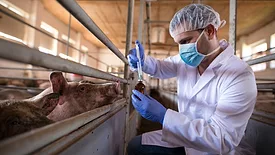
In the face of the alarming rise and spread of antibiotic-resistant bacteria, researchers set out to find and develop non-antibiotic biological disease control and prevention options for aquaculture.
In the study, researchers analyzed the entire genome of over 1,600 Listeria strains. These DNA profiles were used to train a machine learning model that learned to identify genetic patterns associated with resistance to disinfectants commonly used in the food industry.
According to FDA, between 2018 and 2025, 42 people were sickened and 14 died across 21 states after consuming Listeria monocytogenes-contaminatedSysco Imperial and Lyons ReadyCare Frozen Supplemental Shakesthat wereserved at long-term care facilities and hospitals.
Tests of 145 rice samples from retailers nationwide—including U.S.-grown and imported varieties—reveal that rice sold in the United States remains widely contaminated with arsenic.
In 2024, UKHSA investigated seven listeriosis outbreaks across England and Wales, linked to various food products including smoked fish, chocolate and strawberry mousse, garlic sausage and pre-packed sandwiches.
As part of its ongoing public awareness initiatives, the Saudi Food and Drug Authority has released information detailing common types of food poisoning linked to fish consumption and crucial preventive measures to protect public health.
Consumer purchase records were successfully used for hypothesis generation in the outbreak investigation and provided a critical foundation for traceback activities.
FDA notes that, until now, it has conducted post-market reviews on a case-by-case basis, often in response to citizen petitions or new scientific evidence. FDA says the new framework will be more proactive.
New York State Senator Brian Kavanagh, lead Senate sponsor of the legislation, says a key aim of the bill is to address major loopholes in federal food regulation.
EFSA analyzed thousands of samples collected in 2023 from commonly consumed products. Maximum residue levels (MRLs) were exceeded in 2 percent of samples, of which 1 percent were non-compliant after taking into account the measurement uncertainty.