The platform uses a DNAzyme-crosslinked hydrogel that produces a visible color change when E. coli is present, enabling equipment-free, point-of-use detection. It successfully detected E. coli in a range of foods, even when other pathogens were present.
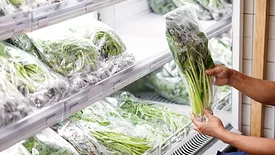
This article examines the frequent contamination of fresh produce (e.g., cucumber and sprouts due to recent outbreaks linked to these foods) with Salmonella and Shiga toxin-producing Escherichia coli.
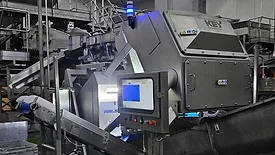
The system was developed for vegetable processors handling multiple SKUs, mixed products, and frequent production changeovers. COMPASS is ideal for fresh and individually quick frozen (IQF) corn, peas, and green beans.
Providing evidence for potential Produce Safety Rule standards, the assessment examined how pathogens survive in untreated biological soil amendments of animal origin (BSAAO) and contaminate produce. FDA found that longer time between BSAAO application and harvest significantly reduces crop contamination.
The Infant Formula Safety Modernization Act includes provisions about expanded pathogen testing requirements and compulsory environmental monitoring for infant formula manufacturers, among other mandates.
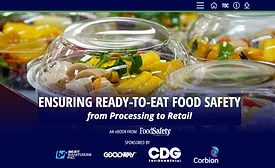
Ready-to-eat (RTE) foods come with heightened food safety risks due to their lack of a final kill-step, leaving them susceptible to foodborne pathogens like Listeria monocytogenes. To help food firms control RTE food safety risks at all steps of the supply chain, this eBook provides solutions related to plant sanitation and hygiene, temperature abuse, culture, and more.
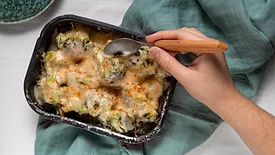
A literature review conducted by Greenpeace concluded that heating food in plastic packaging—even ready-to-heat meals labeled as “microwave-safe” or “oven-safe”—may significantly increase the migration of microplastics and chemical additives into food.
Despite having Listeria-positive samples that matched the outbreak strain via whole genome sequencing (WGS), which prompted an FDA Import Alert and a company recall for the suspected vehicle of illness, FDA did not disclose the specific product or any of the firms implicated.
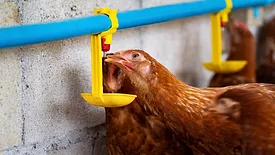
Elevated levels of certain metals and the presence of commonly used disinfectants were found to inactivate Salmonella vaccines administered to poultry via drinking water.
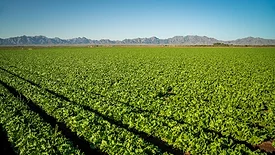
The California Longitudinal Study, a five-year environmental study of California’s Central Coast produce-growing region, identified wildlife, livestock, and surface water as potential contributors to the persistence and movement of Shiga toxin-producing Escherichia coli (STEC).
 RSS
RSS