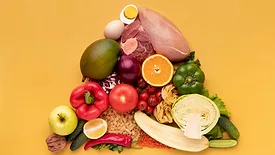
In England, cases of both Campylobacter and Salmonella infection increased by 17.1 percent from 2023 to 2024—the highest rates seen in a decade—according to the latest UK Health Security Agency (UKHSA) annual data.
Ideal for high-throughput processing lines across the convenience food, snacks, bakery, and packaged meat/poultry sectors, the X5DE combines high sensitivity, reduced false rejects, and a robust hygienic design to support modern food safety objectives.
New research suggests that the most effective treatments for reducing levels of arsenic in rice are cultivar selection, irrigation management, cooking approach, and the application of selenium or silicon soil amendments.
This article explores the applications of chemometrics in food safety, including contamination detection, fraud prevention, quality assessment, and regulatory compliance.
Study’s results suggest that charged nanoplastics can influence the growth, viability, virulence, physiological stress response, and biofilm lifestyle of the pathogen Escherichia coli O157:H7.
FDA has released for public comment its proposed method for ranking chemicals in the food supply that will be prioritized in post-market safety assessments.
Bill would require restaurants to include on food menus or through other written information a notice to customers of food allergens used in the facility. Also, customers would be encouraged to inform servers about their food allergies.