The U.S. Environmental Protection Agency (EPA) has issued the first-ever national, legally enforceable drinking water standard to protect Americans from exposure to harmful per-and polyfluoroalkyl substances (PFAS), and has announced $1 billion in funds available for PFAS testing and clean-up in state, territory, and private drinking water supplies.
University of Rochester scientists have successfully demonstrated the ability of a novel electrocatalysis method to remove a harmful and pervasive type of per- and polyfluoroalkyl substance (PFAS) from water.
NASEM has completed a study to better understand the nutritional benefits of seafood consumption versus the health hazards posed by contaminants like toxic heavy metals. The study fulfills a request from FDA, partly in a Closer to Zero effort to answer questions about mercury exposure. A webinar about the findings will be held on March 26, 2024.
PFAS are sometimes used in pesticides as active substances or co-formulants. An analysis of EU pesticide residue monitoring data by Pesticide Action Network Europe shows that the average proportion of produce containing PFAS pesticide residues in the EU has nearly tripled over the last decade.
ROCOL has announced it will be removing per-and polyfluoroalkyl substances (PFAS) from the formulations of its entire FOODLUBE product range beginning April 2024.
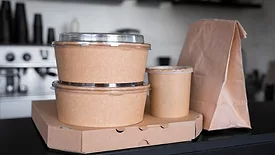
The European Parliament and Council have reached a provisional agreement on the Packaging and Packaging Waste Regulation (PPWR), which, if ratified, would require all packaging used in the EU to be recyclable, set restrictions on plastic packaging, and ban the use of toxic PFAS in food contact packaging.
States like California have been active in the past few years passing laws to regulate PFAS in products. So far, 12 states have enacted laws that ban or impose reporting or disclosure requirements for PFAS in products. As states continue to move forward with emerging PFAS product restrictions, those who manufacture, distribute, and sell such products must prepare for the changing legal landscape.
FDA has announced that, thanks to voluntary phase-out by industry, toxic PFAS are no longer being sold by manufacturers for use in food-contact grease-proofing agents in the U.S. FDA also said it is working towards a validated analytical method that would enable the agency to monitor the market for PFAS in food packaging.
Researchers from the New Jersey Institute of Technology (NJIT) have developed a method of detecting toxic per- and poly-fluoroalkyl substances (PFAS) in food packaging, water, and soil samples in three minutes or less.
Researchers studied how dietary patterns relate to levels of per- and polyfluoroalkyl substances (PFAS) in the human body over time, and found that greater consumption of tea, processed meats, and food prepared outside the home was associated with increased levels of PFAS.