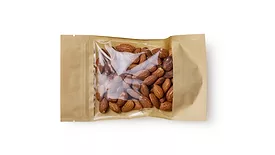
Replacement per- and polyfluoroalkyl substances (PFAS) heralded as “safe” for use in food packaging may actually break down into toxic PFAS that leach into foods and the environment, suggests a study for the first time.
A pre-publication draft of a final rule from the U.S. Environmental Protection Agency (EPA) has revealed EPA’s intent to regulate several types of per- and polyfluoroalkyl substances (PFAS) as contaminants, setting new maximum levels for six PFAS in drinking water.
Notre Dame researchers have found the presence of per- and polyfluoroalkyl substances (PFAS) in fluorinated high-density polyethylene (HDPE) plastic containers, which may be used for food packaging as well as the packaging of pesticides and other consumer goods, and demonstrated the risk of human exposure to PFAS from foods that come into contact with HDPE packaging.
A recent study suggests that exposure to a mixture of per- and polyfluoroalkyl substances (PFAS) may alter several critical biological processes, including the metabolism of fats and amino acids, as well as thyroid hormone dysfunction.
Danish consumers, especially children, are at risk of significant exposure to per- and polyfluoroalkyl substances (PFAS) from eggs, according to research conducted by the DTU National Food Institute and the Danish Veterinary and Food Administration.
Food packaging manufacturer Sabert Corporation has announced that it intends to eliminate all intentionally added per- and polyfluoroalkyl substances (PFAS) from its full product portfolio by the end of 2023.
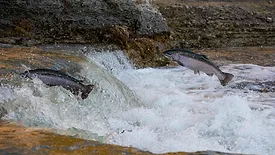
A recent study has raised alarm bells regarding the levels of per- and polyfluoroalkyl substances (PFAS) in U.S. freshwater fish, with findings suggesting that consuming a single serving of fish could have the same effect as drinking heavily PFAS-contaminated water for a month.
3M has announced that it will exit per- and polyfluoroalkyl substance (PFAS) manufacturing and work to discontinue the use of PFAS across its product portfolio by the end of 2025.
Livsmedelsverket, known in English as The Swedish Food Agency, has commenced its 2022 Food Basket Survey, which will assess the presence of nutritive and harmful substances in the Swedish food supply. Per- and Polyfluorinated Substances (PFAS) will be one focus of the survey.