The growing collection includes scientific publications and guidances on detection and viability methods, agricultural water monitoring and treatment, mitigation strategies, and the biology and epidemiology of the parasite.
Developed by the University of New Hampshire and the University of Maine Extension with USDA-NIFA support, the peer-to-peer microlearning video series grew out of years of on-the-ground, individualized farm visits, hands-on technical assistance, and the trust that develops from working closely with a farmer.
Overuse or misuse of antimicrobials and improper disposal of antimicrobials in the agri-food system may result in food and environmental contamination and contribute to the global rise of AMR.
The Partnership for Food Safety Education is offering resources to help families, educators, and community leaders prevent foodborne illness during America 250 celebrations through simple, science‑based steps.
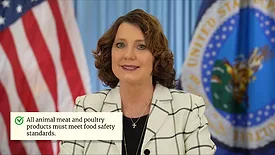
USDA Under Secretary for Food Safety Dr. Mindy Brashears, in collaboration with the Partnership for Food Safety Education, is calling on food safety educators nationwide to help dispel misinformation about the safety of the food supply amid the current New World Screwworm infestation.
The knowledge paper, titled, “The Future of Food Safety,” was developed in partnership with a top FAO food safety official and written by a former Codex Chair.
Ahead of World Food Safety Day, FAO and WHO have introduced a Food Safety Roadmap Development Tool and an online learning course on Codex-aligned risk assessments, supporting competent authorities and other stakeholders seeking to utilize science and data to improve national food safety systems.
NEHA Thrive provides practical leadership tools alongside science-informed strategies for managing stress, burnout, and long-term career sustainability while helping strengthen leadership capacity, improve communication and decision-making, and reinforce resilience.