The European Food Safety Authority (EFSA) convened itseighth annual Stakeholder Forum on November 24 in Brussels, Belgium, where more than 100 agri-food stakeholders and regulators explored how risk assessment can be accelerated without compromising food safety.
In a new scientific opinion, the European Food Safety Authority (EFSA) says the risk of highly pathogenic avian influenza H5N1 (HPAI H5N1) spreading from U.S. dairy cattle to Europe is very low, but still stresses preparedness and heightened surveillance.
This episode of Food Safety Five discusses scientific recommendations around ultra-processed food (UPF) definitions and policy, a study demonstrating the antimicrobial efficacy of common sanitizers in potato wash water, and a review outlining the food safety risks of edible flowers. Also discussed are regulatory and standards developments in the U.S., EU, and at the international level.
The European Food Safety Authority (EFSA) has published guidelines for reporting whole genome sequencing (WGS) data in compliance with Regulation (EU) 2025/179, which requires Member States to conduct WGS on the isolates of five important pathogens during the investigations of foodborne illness outbreaks and sets data-sharing parameters.
To close significant knowledge gaps and inform measures to protect consumers, the European Food Safety Authority (EFSA) has been requested by Parliament to deliver a scientific opinion on the potential health risks posed by microplastics in food, water, and air.
As part of the EU authorization procedure for a new food additive application, EFSA conducted a risk assessment for jagua (genipin-glycine) blue, which concluded no safety concern and established an acceptable daily intake (ADI). The fruit-derived food dye is already permitted in the U.S.
A European Food Safety Authority (EFSA) draft scientific opinion, which lowers the tolerable weekly intake (TWI) for dioxins and dioxin-like polychlorinated biphenyls (PCBs), is available for public feedback. The new TWI is exceeded by Europeans in all age groups.
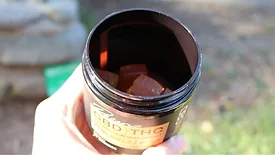
In the U.S., as part of the appropriations bill ending the government shutdown, Congress closed the 2018 Farm Bill loophole allowing the sale of hemp-derived THC products, such as edibles and beverages. At the same time, in the EU, the European Food Safety Authority (EFSA) set a safe intake level for Delta-8 THC in food.
To support the preparation of applications for regulated products, EFSA released a new guidance document detailing the scientific requirements for the characterization and risk assessment of both genetically modified (GM) and non-GM microorganisms used in the food chain.
This episode of Food Safety Five discusses hoses as reservoirs for biofilms in food processing facilities, the presence of Listeria monocytogenes and Campylobacter on retail beef and chicken, a new Salmonella serovar database, and microplastics release from food contact materials.