USDA and University of Arkansas researchers concluded that the plant-derived antimicrobial compound could possibly offer a natural disinfection solution for controlling S. Infantis biofilms on plastic and stainless steel surfaces in poultry and food processing facilities.
A new scientific review examines blue light-mediated photosensitization for antimicrobial intervention across various food sectors. The review notes the technology's promise as a nonthermal antimicrobial intervention for food safety and emphasizes the need for further studies to support scale-up across industry.
Potentially offering an effective natural control strategy in food production, a study demonstrated the ability of select essential oils to inactivate multidrug-resistant Campylobacter isolated from poultry and investigated the mechanisms of antibacterial action, while highlighting variability in essential oil potency and species-specific susceptibility.
Through the One Health lens, a scientific review summarized current knowledge on Salmonella biofilms, the importance of non-antibiotic interventions given the rise of antimicrobial resistance (AMR), emerging alternative strategies with potential for real-world use, and challenges and needs moving forward.
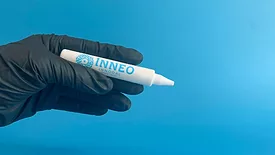
INNEO is a peptide-based antimicrobial processing aid. USDA’s No Objection Letter enables U.S. meat and poultry processors to use INNEO both as a surface treatment and directly within the food matrix of comminuted products.
An ongoing project funded by the Center for Produce Safety is investigating ways to increase the antimicrobial activity of food-grade waxes, which are commonly applied to fruit and vegetables to extend shelf life.
This article explores the use of growth inhibitors into formulations for deli meats to mitigate Listeria monocytogenes contamination, and provides guidance for the various options of effective compounds, including clean-label ingredients, to reduce the risk of Listeria contamination in deli meats.
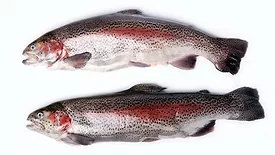
An ongoing project by the Norwegian food research institute Nofima is investigating the efficacy of different treatment baths for Listeria monocytogenes decontamination on fish and fish products.
Setting a new a new precedent for preharvest food safety interventions, the first-ever registration of an antimicrobial treatment for foodborne pathogens in preharvest agricultural water has been approved by the U.S. Environmental Protection Agency (EPA).