Nelson-Jameson has announced a new partnership with Bonar Plastics to create and utilize new, reusable shipping containers when delivering dsm-firmenich cultures, which are biological catalysts for dairy food production.
The global food system is at a crossroads. The second World Congress of the Global Harmonization Initiative (GHI) will unite scientists, policymakers, industry leaders, and other stakeholders in a critical dialogue on the future of food systems.
Regulation (EU) 2025/40, also known as the Packaging and Packaging Waste Regulation, limits per- and polyfluoroalkyl substances (PFAS) in food packaging, bans single-use plastics for most produce, sets requirements for single-use containers in foodservice, and makes other changes to EU plastic food packaging rules.
A gluten-free diet is the only treatment for individuals with celiac disease, which is an autoimmune disease affecting approximately 1 percent of the world population. Even small amounts of gluten ingestion can cause a person with celiac disease to become ill, which is why food safety is paramount.
To meet the need for sustainable alternatives for food packaging, researchers from Chungnam National University have developed an edible, natural coating that extends the shelf life of fruits.
Companies W-Cycle Ltd. and Melhoramentos have joined forces to produce compostable food packaging made from renewable materials that naturally decompose within 100 days.
With relation to circular agri-food production models, a recent article authored by Food and Agriculture Organization of the United Nations (FAO) experts has explored the current and emerging risks, data gaps, and opportunities for food safety.
A recent study found that, while alternative farming practices aimed at reducing water usage can lower greenhouse gas emissions and arsenic levels in rice, the same practices may also increase cadmium content in plants. The same study also demonstrated that no-till farming techniques raise the likelihood of mycotoxin contamination in crops.
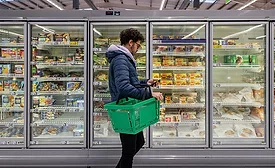
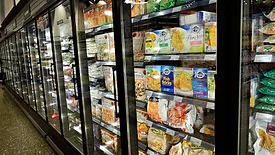
Action to curb the overall carbon footprint of the food and agriculture sector must be done with care in the frozen category, as the quality of frozen foods reaching the consumer depends on a collaborative effort among all links in the supply chain.
The Move to -15 °C—an industry effort to lower frozen food storage and transportation temperature standards—is gaining steam. The group says a 3 °C reduction would significantly increase environmental sustainability without compromising food safety.