Food Safety
search
Ask Food Safety AI
cart
facebook twitter linkedin
  • Sign In
  • Create Account
  • Sign Out
  • My Account
Food Safety
  • NEWS
    • Latest News
    • White Papers
  • PRODUCTS
  • TOPICS
    • Contamination Control
    • Food Types
    • Management
    • Process Control
    • Regulatory
    • Sanitation
    • Supply Chain
    • Testing and Analysis
  • PODCAST
  • EXCLUSIVES
    • Food Safety Five Newsreel
    • eBooks
    • FSM Distinguished Service Award
    • Interactive Product Spotlights
    • Videos
  • BUYER'S GUIDE
  • MORE
    • ENEWSLETTER >
      • Archive Issues
      • Subscribe to eNews
    • Store
    • Sponsor Insights
    • ASK FSM AI
  • WEBINARS
  • FOOD SAFETY SUMMIT
  • EMAG
    • eMagazine
    • Archive Issues
    • Editorial Advisory Board
    • Contact
    • Advertise
  • SIGN UP!
NewsContamination ControlFood TypeRegulatoryAllergensProduceFDA

FDA Broaches Food Safety of Allergen Proteins in Genetically Modified Novel Crops
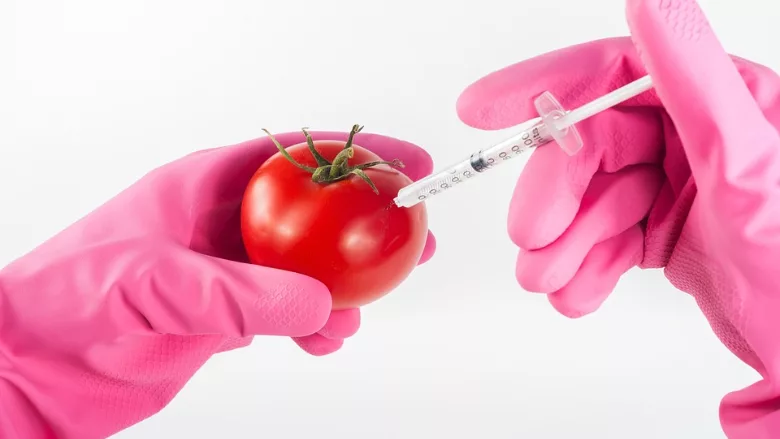
tomato being injected with syringe

Credit: artursfoto via Pixabay

April 13, 2023

The U.S. Food and Drug Administration (FDA) has issued a letter reminding developers and manufacturers of new plant varieties used for food intending to transfer genes for proteins that are food allergens (including allergens from foods identified as major food allergens) into such new plant varieties of the relevant legal requirements for such products.

Foods derived from new plant varieties developed using genetic engineering or genome editing are often referred to as Genetically Modified Organisms (GMOs) or as “bioengineered.” An example of gene transfer of allergen proteins into novel plants would be adding the gene for an allergenic animal protein to a new plant variety to provide a non-animal source of the protein to use as an ingredient in another food.

FDA is not aware of any foods currently in the U.S. market from these types of new plant varieties, but the agency is aware of research and development in the area. Because adverse reactions to food allergens can be severe and life-threatening, including when the allergen is present at low levels, FDA found it appropriate to reach out to developers and manufacturers while such plant varieties are still in early research and development stages.

Since FDA published its 1992 policy on food from new plant varieties, the agency is aware of only one case in which a company transferred a gene from a major food allergen into a crop plant—a gene for a Brazil nut protein into a soy variety to improve its nutritional profile for animal feed. Upon discovery that the transferred Brazil nut protein was an allergen, the developers voluntarily discontinued development of the new variety because of the food safety risk to individuals allergic to Brazil nuts.

FDA is asking developers to consider the food safety risks posed by such allergens and plan early in development to manage the risks. In addition to the food safety risks, if unexpected and unlabeled allergens enter the food supply, this could have other consequences for food producers, such as needing to recall the affected products.

Additionally, FDA is reminding industry of the relevant legal requirements and potential food safety concerns related to producing, processing, packaging, and holding these types of plant varieties and industry’s responsibility to ensure that they do not become unintended or unexpected allergens in final food products. In particular, the agency is reminding developers to consider the allergenicity issues related to their products, and how they would be stewarded from production to manufacturing to consumption so that they do not inadvertently or unexpectedly enter the food supply. FDA is also reminding developers that products need to be properly labeled when intentionally part of the food supply.

FDA encourages developers of new plant varieties to consult with the agency prior to marketing through its voluntary premarket consultation program for foods from new plant varieties.


Looking for quick answers on food safety topics?
Try Ask FSM, our new smart AI search tool.
Ask FSM →


KEYWORDS: allergens FDA genetically engineered foods

Share This Story

Recommended Content

JOIN TODAY
to unlock your recommendations.

Already have an account? Sign In

  • people holding baby chicks

    Serovar Differences Matter: Utility of Deep Serotyping in Broiler Production and Processing

    This article discusses the significance of Salmonella in...
    Contamination Control
    By: Nikki Shariat Ph.D.
  • woman washing hands

    Building a Culture of Hygiene in the Food Processing Plant

    Everyone entering a food processing facility needs to...
    Training
    By: Richard F. Stier, M.S.
  • graphical representation of earth over dirt

    Climate Change and Emerging Risks to Food Safety: Building Climate Resilience

    This article examines the multifaceted threats to food...
    Risk Assessment
    By: Maria Cristina Tirado Ph.D., D.V.M. and Shamini Albert Raj M.A.
Manage My Account
  • eMagazine Subscription
  • Subscribe to eNewsletter
  • Manage My Preferences
  • Website Registration
  • Subscription Customer Service

More Videos

Sponsored Content

Sponsored Content is a special paid section where industry companies provide high quality, objective, non-commercial content around topics of interest to the Food Safety Magazine audience. All Sponsored Content is supplied by the advertising company and any opinions expressed in this article are those of the author and not necessarily reflect the views of Food Safety Magazine or its parent company, BNP Media. Interested in participating in our Sponsored Content section? Contact your local rep!

close
  • Salmonella bacteria
    Sponsored byThermoFisher

    Food Microbiology Testing Methods: Salmonella species

  • a diagram explaining indicator organisms
    Sponsored byHygiena

    How Proactive Listeria Testing Helps Prevent Six- and Seven-Figure Recalls

  • woman grocery shopping
    Sponsored byCorbion

    Designing Safety Into Every Bite: Proactive Risk Mitigation for Refrigerated Foods

Popular Stories

NRTE breaded stuffed chicken

USDA Indefinitely Delays Enforcement of Salmonella as Adulterant in Raw Breaded, Stuffed Chicken

non-conforming product

How to Handle Non-Conforming Product

spoonfuls of food ingredients

FDA’s Developing Rule to Tighten GRAS Oversight Moves to White House

Events

December 11, 2025

How to Develop and Implement an Effective Food Defense Strategy

Live: December 11, 2025 at 2:00 pm EDT: From this webinar, attendees will learn common areas where companies encounter challenges in their food defense strategies and how to address them.

May 11, 2026

The Food Safety Summit

Stay informed on the latest food safety trends, innovations, emerging challenges, and expert analysis. Leave the Summit with actionable insights ready to drive measurable improvements in your organization. Do not miss this opportunity to learn from experts about contamination control, food safety culture, regulations, sanitation, supply chain traceability, and so much more.

View All

Products

Global Food Safety Microbial Interventions and Molecular Advancements

Global Food Safety Microbial Interventions and Molecular Advancements

See More Products

Related Articles

  • graphic of a meter that says risk medium

    Experts Explore Food Allergen Risk Assessment Approach for Novel Proteins

    See More
  • pile of corn cobs

    FSANZ Calls for Comment on Allowing Food Made from New Line of Genetically Modified Corn

    See More
  • Report: Genetically Modified Crops Pose No Health Risks

    See More

Related Products

See More Products
  • 9781138070912.jpg

    Trends in Food Safety and Protection

  • 9781498721776.jpg

    Handbook of Food Processing: Food Safety, Quality, and Manufacturing Processes

  • 1444333348.jpg

    Handbook of Food Safety Engineering

See More Products

Related Directories

  • Saldesia "Goddess of Food Safety"

    Saldesia is a distributor of Food Safety products and solutions. We are focused on supplying the Quality, Production, Safety and Sanitation departments. Product lines include Color Coded, Metal Detectable, Antimicrobial Flooring & Mats, Workwear, Footwear, Spray Nozzles, and more!
  • Plum Safety

    Plum Safety Training and Hospitality Consultants provide Environmental Health, Safety, and Food Safety solutions. Certified Food Protection Manager Certification, TiPS Responsible Alcohol Certification, Allergen & Gluten-Free Certification, CPR/AED & First Aid Certification. 3rd Party Inspections and Audits. Authorized OSHA Instructor. Lead HACCP Instructor. HACCP plan development & training.
×

Never miss the latest news and trends driving the food safety industry

eNewsletter | Website | eMagazine

JOIN TODAY!
  • RESOURCES
    • Advertise
    • Contact Us
    • Directories
    • Store
    • Want More
  • SIGN UP TODAY
    • Create Account
    • eMagazine
    • eNewsletter
    • Customer Service
    • Manage Preferences
  • SERVICES
    • Marketing Services
    • Reprints
    • Market Research
    • List Rental
    • Survey/Respondent Access
  • STAY CONNECTED
    • LinkedIn
    • Facebook
    • Instagram
    • X (Twitter)
  • PRIVACY
    • PRIVACY POLICY
    • TERMS & CONDITIONS
    • DO NOT SELL MY PERSONAL INFORMATION
    • PRIVACY REQUEST
    • ACCESSIBILITY

Copyright ©2025. All Rights Reserved BNP Media.

Design, CMS, Hosting & Web Development :: ePublishing