Food Safety
search
Ask Food Safety AI
cart
facebook twitter linkedin instagram youtube
  • Sign In
  • Create Account
  • Sign Out
  • My Account
Food Safety
  • NEWS
    • Latest News
    • Sponsored Insights
    • Sponsored White Papers
  • PRODUCTS
  • TOPICS
    • Contamination Control
    • Food Types
    • Management
    • Process Control
    • Regulatory
    • Sanitation
    • Supply Chain
    • Testing and Analysis
  • PODCAST
  • EXCLUSIVES
    • Food Safety Five Newsreel
    • eBooks
    • FSM Distinguished Service Award
    • Interactive Product Spotlights
    • Videos
  • BUYER'S GUIDE
  • MORE
    • NEWSLETTERS >
      • Archive Issues
      • Subscribe to eNews
    • Store
    • ASK FSM AI
  • WEBINARS
  • FOOD SAFETY SUMMIT
  • EMAG
    • eMagazine
    • Archive Issues
    • Editorial Advisory Board
    • Contact
    • Advertise
  • SIGN UP!
NewsContamination ControlMicrobiological Control

Emerging Foodborne Pathogen Arcobacter a Concern for Seafood, RTE Foods
By Bailee Henderson
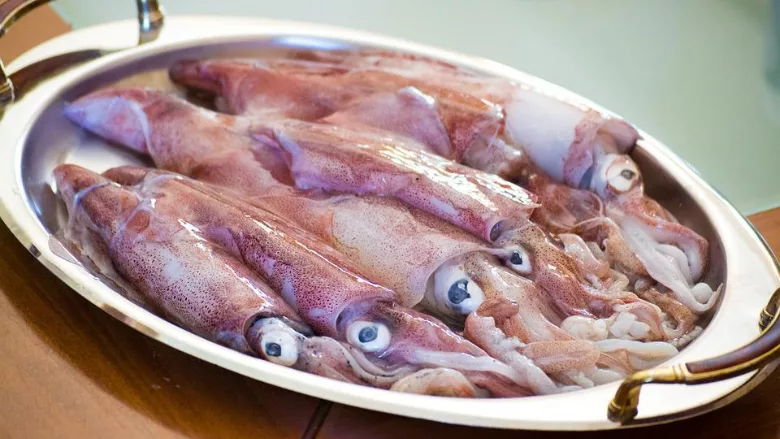
raw squid

Credit: DanaTentis via Pixabay

August 16, 2022

Arcobacter is an emerging foodborne pathogen about which relatively little is known, aside from the facts that the pathogen can be a cause of human gastroenteric illness and may diminish the shelf life of contaminated foods. A recent study published in the International Journal of Food Microbiology has attempted to expand upon the available knowledge about Arcobacter, revealing information related to food sources associated with the pathogen, its genetic diversity and traits, and its ability to form biofilms.

Researchers collected 220 samples from cockle, squid, shrimp, quail meat, rabbit meat, turkey meat, fresh cheese, spinach, Swiss chard, lettuce, and carrot, which were purchased from various retail outlets in Spain from May 2015–November 2015. Of the samples that were analyzed, 22.3 percent tested positive for Arcobacter; the pathogen was detected in samples from all tested food groups, but squid and turkey meat had the highest levels of contamination at 60 and 40 percent, respectively.

Although foods of animal origin and produce showed the lowest Arcobacter contamination levels, a species of the pathogen that had never been characterized before and possesses virulence genes was discovered in carrots. Additionally, all of the lettuces that tested positive for the pathogen were pre-packaged, and baby squid were found to be a major source of Arcobacter, indicating the importance of understanding Arcobacter persistence in ready-to-eat (RTE), raw, and lightly cooked foods. Cheese samples also tested positive for Arcobacter, but researchers hypothesize that it was likely due to cross-contamination.

The researchers were able to recover 83 isolates and identified 53 as A. butzlerii, 24 as A. cryaerophilus, three as A. thereius, two as A. skirrowii, and one as A. vitoriensis. Sequence typing analysis differentiated 68 individual sequence types (STs) for Acrobacter, 89.7 percent of which were novel, with five novel strains having a potential association with seafood. All of the Arcobacter isolates except one presented virulence-associated genes, with the highest incidence noted for A. butzleri, which is the most commonly associated strain with cases of human illness.

Regarding Arcobacter’s ability to form biofilms, 23.5 percent of isolates (19 isolates) were able to form biofilms on polystyrene (plastic), borosilicate (glass), and stainless steel surfaces. Additionally, glass enhanced the adhesion abilities of 84.2 percent of Arcobacter isolates.

Looking for quick answers on food safety topics?
Try Ask FSM, our new smart AI search tool.
Ask FSM →


KEYWORDS: biofilm ready-to-eat foods seafood squid study

Share This Story

Baileehendersonmay23

Bailee Henderson is the Director of Content Strategy for Food Safety Magazine. In the day-to-day, she covers industry-relevant current events, regulatory affairs, and scientific developments. She also produces the Food Safety Five Newsreel and edits the twice-weekly Food Safety Digest newsletter. Notably, Bailee's coverage for Food Safety Magazine has been featured in national televised news segments including CBS Sunday Morning and MSNBC's Rachel Maddow Show. She can be reached at hendersonb@bnpmedia.com.

Recommended Content

JOIN TODAY
to unlock your recommendations.

Already have an account? Sign In

  • people holding baby chicks

    Serovar Differences Matter: Utility of Deep Serotyping in Broiler Production and Processing

    This article discusses the significance of Salmonella in...
    Microbiological Control
    By: Nikki Shariat Ph.D.
  • woman washing hands

    Building a Culture of Hygiene in the Food Processing Plant

    Everyone entering a food processing facility needs to...
    Facilities
    By: Richard F. Stier, M.S.
  • graphical representation of earth over dirt

    Climate Change and Emerging Risks to Food Safety: Building Climate Resilience

    This article examines the multifaceted threats to food...
    Contamination Control
    By: Shamini Albert Raj M.A. and Maria Cristina Tirado Ph.D., D.V.M.
Manage My Account
  • eMagazine Subscription
  • Subscribe to Newsletters
  • Manage My Preferences
  • Website Registration
  • Subscription Customer Service

More Videos

Sponsored Content

Sponsored Content is a special paid section where industry companies provide high quality, objective, non-commercial content around topics of interest to the Food Safety Magazine audience. All Sponsored Content is supplied by the advertising company and any opinions expressed in this article are those of the author and not necessarily reflect the views of Food Safety Magazine or its parent company, BNP Media. Interested in participating in our Sponsored Content section? Contact your local rep!

close
  • an automated industrial production line used in a modern food factory
    Sponsored byIFC

    A Formula for Food Processing Pest Management

  • fly
    Sponsored byOrkin Commercial

    Fly Control in Food Processing Facilities: Managing Seasonal Food Safety Risks

  • Darkling Beetle
    Sponsored byElanco Animal Health

    Integrated Pest Management: Protecting Poultry Operations as Seasons Change

Popular Stories

Cyclospora cayetanensis oocysts

Foodborne Parasite Cyclospora Sickens Hundreds Across U.S.

naturally colored cupcakes with sprinkles

Natural vs. Artificial Ingredients in Baking: What Food Manufacturers and Consumers Need to Know

spoon of whitish brown sweetener

JECFA Evaluates Safety of Certain Food Additives; Monk Fruit Presents Potential Concern

building a skilled workforce ebook

Events

July 21, 2026

Using AI Responsibly in Food Safety Management Systems

Live: July 21, 2026 at 2:00 pm EDT: This webinar will provide participants with guidance on how to effectively use generative artificial intelligence (AI) tools to develop key components of a food safety management system (FSMS).

August 6, 2026

Beyond Sanitation: Understanding the Hidden System Conditions That Allow Pathogens to Persist

Live: August 6, 2026 at 2:00 pm EDT: Attend this webinar to learn strategies for strengthening environmental control programs through a layered approach to pathogen management.

August 11, 2026

Beyond Sanitization: Reducing Contamination Risk Without Raising Operating Cost

Live: August 11, 2026 at 2:00 pm EDT: Attend this webinar to learn why ambient air is the largest and most overlooked contamination zone in food processing, and what it costs you between scheduled cleans.

View All

Products

Global Food Safety Microbial Interventions and Molecular Advancements

Global Food Safety Microbial Interventions and Molecular Advancements

See More Products

Related Articles

  • 3D rendering of intestine and stomach in human

    Novel qRT-PCR Method Developed to Accurately Identify Emerging Foodborne Pathogen E. albertii

    See More
  • two workers handling packaged vegetables

    Cognitive Security, a Growing Concern for Food Safety: Part 2

    See More
  • beware sign on top of circuits

    Cognitive Security, a Growing Concern for Food Safety: Part 4

    See More

Related Products

See More Products
  • food-safety-making.jpg

    Food Safety: Making Foods Safe and Free From Pathogens

  • 1118396308.jpg

    High Throughput Analysis for Food Safety

  • 1119053595.jpg

    Food Safety for the 21st Century: Managing HACCP and Food Safety throughout the Global Supply Chain, 2E

See More Products

Related Directories

  • FSNS, a Certified Group Co.

    Food Safety Net Services (FSNS) provides comprehensive laboratory testing and analysis throughout a North American network of 30+ ISO 17025 accredited labs. Our expertise extends across a full range of regulated industries, including beef, dairy, poultry, pet food, spices, seafood, nuts, produce, FDA imports, and ready-to-eat foods.
  • Certified Laboratories, a Certified Group Co.

    Certified Laboratories provides comprehensive laboratory testing and analysis throughout a North American network of 30+ ISO 17025 accredited labs. Our expertise extends across a full range of regulated industries, including beef, dairy, poultry, pet food, spices, seafood, nuts, produce, FDA imports, and ready-to-eat foods.
×

Never miss the latest news and trends driving the food safety industry

Newsletters | Website | eMagazine

JOIN TODAY!
  • RESOURCES
    • Advertise
    • Contact Us
    • Directories
    • Store
    • Want More
  • SIGN UP TODAY
    • Create Account
    • eMagazine
    • Newsletters
    • Customer Service
    • Manage Preferences
  • SERVICES
    • Marketing Services
    • Reprints
    • Market Research
    • List Rental
    • Survey/Respondent Access
  • STAY CONNECTED
    • LinkedIn
    • Facebook
    • Instagram
    • X (Twitter)
  • PRIVACY
    • PRIVACY POLICY
    • TERMS & CONDITIONS
    • DO NOT SELL MY PERSONAL INFORMATION
    • PRIVACY REQUEST
    • ACCESSIBILITY

Copyright ©2026. All Rights Reserved BNP Media, Inc. and BNP Media II, LLC.

Design, CMS, Hosting & Web Development :: ePublishing