A new study found high levels of multidrug resistance and biofilm formation among Enterococcus spp. isolated from retail meat, market workers, and consumers. Genetic similarities among E. faecalis and E. faecium isolates from different sources suggested potential cross-transmission at the food–human
interface, although the researchers emphasized that direct transmission was not established.
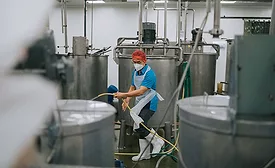
Without proper sanitation, surfaces and other areas in food processing facilities provide an ideal environment for the growth of biofilm on food contact and non-food contact surfaces. This article discusses biofilm mitigation solutions for food processing operations.
In processing operations for dairy and low-moisture foods, specialized sanitation and environmental monitoring programs are paramount to securing food safety and hygienic operation of facilities.
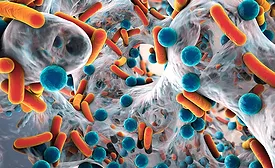
Understanding the structure and function of biofilms is essential for developing effective strategies to control microbial biofilm formation, mitigate biofilm-related risks, and harness the beneficial properties of biofilms for various applications.
A recent study reviewed the efficacy of environmentally friendly pathogen inactivation methods against Listeria monocytogenes biofilms in food production environments, specifically, electrolyzed water, plasma-activated water, ozone, and enzymes.
A recent studyhas demonstrated the efficacy of antimicrobial blue light technology for the inactivation of both dried cells and biofilms of Listeria monocytogenes on surfaces found in food processing environments.
Ongoing research funded by the Center for Produce Safety aims to evaluate the efficacy of commercially available sanitizers against common foodborne pathogens and biofilms encountered during tree fruit harvesting, and then conduct a validation study of the best-performing treatments at commercial facilities.
The LmRNA project will explore the genetic and physiological responses of Listeria monocytogenes biofilms to dairy environment conditions to support the development of improved strategies for preventing antimicrobial resistance (AMR).
On Demand: Join this webinar to explore a modern approach to decontamination that goes beyond surface-level cleaning to combat biofilm and persistent pathogens.