Food Safety
search
Ask Food Safety AI
cart
facebook twitter linkedin instagram youtube
  • Sign In
  • Join Today
  • Sign Out
  • My Account
Food Safety
  • NEWS
    • Latest News
    • Food Safety Five Newsreel
  • PRODUCTS
  • TOPICS
    • Contamination Control
    • Food Types
    • Management
    • Process Control
    • Regulatory
    • Sanitation
    • Supply Chain
    • Testing and Analysis
  • PODCAST
  • EXCLUSIVES
    • eBooks
    • Sponsored Insights
    • Sponsored White Papers
    • FSM Distinguished Service Award
    • Interactive Product Spotlights
    • Videos
  • MORE
    • BUYER'S GUIDE
    • NEWSLETTERS >
      • Archive Issues
      • Subscribe to eNews
    • Store
    • ASK FSM AI
  • WEBINARS
  • FOOD SAFETY SUMMIT
  • FSM FEATURES
    • FSM Features Collection
    • eMag Archives
    • Editorial Advisory Board
    • Contact
    • Advertise
  • JOIN
NewsContamination ControlManagementRecall/Crisis ManagementAllergen Control

Food Recalls Drop in Australia, New Zealand

By Bailee Henderson
AUS flag
May 30, 2022

Food Standards Australia New Zealand (FSANZ) recently released data on food recalls throughout Australia and New Zealand in 2021, as well as data on recall trends over the last decade. A total of 80 recalls were conducted in 2021, with almost half (38) due to undeclared allergens. Other reasons for recalls included microbial contamination (19), foreign matter (5), and incorrect labeling (3). In total, recalls decreased from 109 in 2020 to 80 in 2021. 

FSANZ accredits the countries’ improved detection of food safety hazards to broader regulatory oversight, improved industry self-monitoring, and greater consumer vigilance. FSANZ also believes that continued advancement in food technology, analytical testing, and traceability will influence the number of food recalls in the future.

Allergen recalls in 2021 were caused by packaging errors, supplier verification issues, and cross-contamination. Over the last decade, the most common allergen categories that have caused recalls are milk, peanuts, and multiple allergens. Processed foods, confectionery, and bakery products were the top food types associated with allergen recalls.

Regarding microbial contamination trends over the last decade, Listeria monocytogenes, Salmonella, and Escherichia coli were largely responsible. Dairy products, produce, and meat were the most commonly recalled product types.

There were also 30 recalls caused by biotoxins in the last decade, with the most common being paralytic shellfish toxin. Additionally, 92 foreign matter recalls were issued. 


Looking for quick answers on food safety topics?
Try Ask FSM, our new smart AI search tool.
Ask FSM →


KEYWORDS: allergens Australia FSANZ New Zealand recalls

Share This Story

1786925983615

Bailee Henderson is the Director of Content Strategy for Food Safety Magazine. In the day-to-day, she covers industry-relevant current events, regulatory affairs, and scientific developments. She also produces the Food Safety Five Newsreel, edits the twice-weekly Food Safety Digest newsletter, and manages the brand's social media channels. Notably, Bailee's coverage for Food Safety Magazine has been featured in national televised news segments including CBS Sunday Morning and MSNBC's Rachel Maddow Show. She can be reached at hendersonb@bnpmedia.com.

Recommended Content

JOIN TODAY
to unlock your recommendations.

Already have an account? Sign In

  • people holding baby chicks

    Serovar Differences Matter: Utility of Deep Serotyping in Broiler Production and Processing

    This article discusses the significance of Salmonella in...
    Contamination Control
    By: Nikki Shariat Ph.D.
  • woman washing hands

    Building a Culture of Hygiene in the Food Processing Plant

    Everyone entering a food processing facility needs to...
    Training
    By: Richard F. Stier, M.S.
  • graphical representation of earth over dirt

    Climate Change and Emerging Risks to Food Safety: Building Climate Resilience

    This article examines the multifaceted threats to food...
    Best Practices
    By: Maria Cristina Tirado Ph.D., D.V.M. and Shamini Albert Raj M.A.
Manage My Account
  • Join Food Safety Magazine
  • Manage My Preferences
  • Customer Service

More Videos

Sponsored Content

Sponsored Content is a special paid section where industry companies provide high quality, objective, non-commercial content around topics of interest to the Food Safety Magazine audience. All Sponsored Content is supplied by the advertising company and any opinions expressed in this article are those of the author and not necessarily reflect the views of Food Safety Magazine or its parent company, BNP Media. Interested in participating in our Sponsored Content section? Contact your local rep!

close
  • pre-packaged salads, noodles, and prepared meals stocked on multi-tier grocery store refrigerator shelves
    Sponsored byCorbion

    How Many Days of Shelf Life Are You Leaving on the Table?

  • Top view portrait of two factory workers standing by conveyor belt during quality inspection at food production, copy space
    Sponsored byFlexXray

    Foreign Material By the Numbers: What the 2026 Benchmark Report Reveals

  • a conveyorized industrial metal detector system that appears to resemble a Loma Systems IQ4 Metal Detector setup with an integrated conveyor belt and control panel for food or package inspection.
    Sponsored byMettler Toledo

    Beyond Detection: How to Avoid Physical Contamination in Food Through a Smarter Inspection Strategy

Popular Stories

supermarket freezers

Another Wave of Refrigerator Cyberattacks Sweeps European Grocery Stores, Causing More Food Losses

dino nuggets and ketchup

WHO Proposes Food Profiling Model to Inform Regulation of Ultra-Processed Foods

Cleaning floor drain during wet sanitation

Practical Guidelines for Choosing Between Dry and Wet Sanitation

allergens ebook

Events

November 12, 2026

From Data Overload to Actionable Food Safety Risk Intelligence

Live: November 12, 2026 at 11:00 am EST: This webinar explores how data integration, advanced analytics, and digital technologies can help transform disparate information into meaningful risk intelligence.

November 17, 2026

Are You Getting the Most from Your Food Safety Testing?

Live: November 17, 2026 at 11:00 am EST: Attend this webinar to explore practical ways food processors can modernize sanitation verification and microbiological testing while keeping workflows simple and effective.

December 2, 2026

Beyond Surface Clean: Tackling Biofilms and Persistent Pathogens

Live: December 2, 2026 at 11:00 am EST: Attend this webinar to understand why chlorine dioxide is not chlorine, and what “ultra-pure” means for residues, byproducts, and effectiveness.

View All

Products

Global Food Safety Microbial Interventions and Molecular Advancements

Global Food Safety Microbial Interventions and Molecular Advancements

See More Products

Related Articles

  • New Zealand flag

    Guidance Helps Industry Comply With New Food Allergen Labeling Requirements in Australia, New Zealand

    See More
  • Australia / New Zealand Food Safety Agency Issues Food Recall Protocol

    See More
  • default-food-safety-image.jpg

    Australia, New Zealand create GFSI local group to elevate food safety, consumer trust

    See More

Related Products

See More Products
  • 9781138070912.jpg

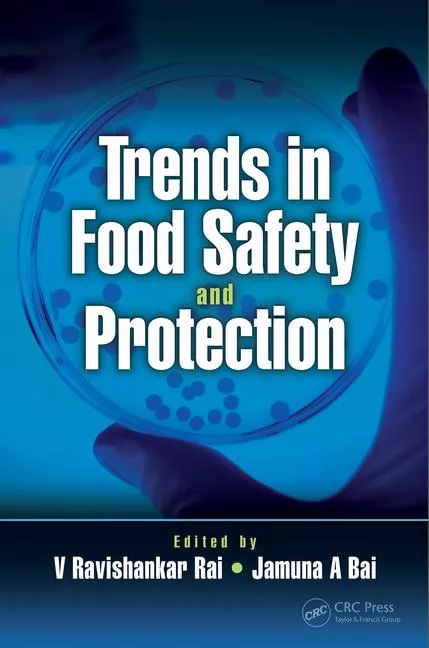
    Trends in Food Safety and Protection

  • 1119237963.jpg

    Food Safety in China: Science, Technology, Management and Regulation

  • 9781498721776.jpg

    Handbook of Food Processing: Food Safety, Quality, and Manufacturing Processes

See More Products

Related Directories

  • Food Safety News

    Food Safety News advances public health by delivering timely, accurate, and comprehensive coverage of foodborne illness outbreaks, recalls, and regulatory developments that impact the safety of our global food supply.
  • Instant Recall LLC

    Instant Recall turns recall chaos into control by automating best practice workflows, data analysis and regulatory reporting for mock recalls, product holds, withdrawals, and recalls for the food industry. We are the gold standard in the food industry for food recall preparedness, recall communications execution, and cost recovery!
  • Women In Food Safety

    Women in Food Safety is a US-based global nonprofit organization dedicated to empowering and advancing women in the food safety and quality industry. Women In Food Safety provides a platform for professionals at all stages of their careers to grow, share knowledge, and support one another. Through community events, educational initiatives, and leadership development, we are building a more inclusive and resilient future for food safety worldwide. Together, we can do BETTER!
×

Never miss the latest news and trends shaping the food safety industry

Newsletters | Website | FSM Features Collection

JOIN TODAY!
  • RESOURCES
    • Advertise
    • Contact Us
    • Directories
    • Store
  • JOIN TODAY
    • Create Account
    • FSM Features Collection
    • Newsletters
    • Customer Service
    • Manage Preferences
  • SERVICES
    • Marketing Services
    • Reprints
    • Market Research
    • List Rental
    • Survey/Respondent Access
  • STAY CONNECTED
    • LinkedIn
    • Facebook
    • Instagram
    • X (Twitter)
    • YouTube
  • PRIVACY
    • PRIVACY POLICY
    • TERMS & CONDITIONS
    • DO NOT SELL MY PERSONAL INFORMATION
    • PRIVACY REQUEST
    • ACCESSIBILITY

Copyright ©2026. All Rights Reserved BNP Media, Inc. and BNP Media II, LLC.

Design, CMS, Hosting & Web Development :: ePublishing