Canada Revokes Food Additive Authorizations for Two ‘Forever Chemicals’ Under Phased PFAS Prohibition Plan
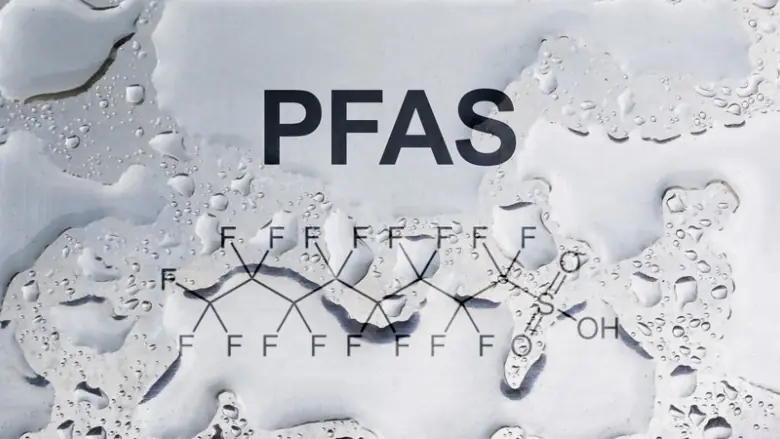
The Government of Canada has proposed to remove two per- and polyfluoroalkyl substances (PFAS), chloropentafluoroethane and octafluorocyclobutane, from the relevant list of permitted food additives. This action was taken as part of a national risk management approach to address PFAS as a class, which was implemented after an assessment concluded that environmental PFAS contamination may pose a danger to environmental and human health.
Evaluating PFAS Under Canadian Law
In March 2025, Health Canada published a report on the state of PFAS in the country, which determined that PFAS as a chemical class (excluding fluoropolymers) meets criteria set out in Section 64 of the Canadian Environmental Protection Act 1999 (CEPA) for what constitutes a toxic substance. Specifically, Health Canada concluded that PFAS meet CEPA criteria of “entering the environment in a quantity or concentration or under conditions that may have immediate or long-term harmful effects on the environment or its biological diversity” and that “may constitute a danger in Canada to human life or health.”
This conclusion was based on the widespread use of PFAS, high mobility in the environment, and resistance to degradation leading to their ubiquitous presence in the environment and bioaccumulation—the same characteristics that have earned PFAS the nickname “forever chemicals.” Exposure to well-studied PFAS can affect human and animal health at lower levels than previously understood, and they can accumulate and magnify in food webs. Additionally, the potential for and effects of cumulative exposure to unknown mixtures of PFAS is important to consider.
Applying precaution in light of knowledge gaps and to be protective of the environment and human health, Health Canada chose to assume that the concerns for well-studied PFAS may be inherent in other less-understood “forever chemicals.” The report stated, “Despite uncertainties associated with understanding the characteristics of substances across the range of PFAS structures from toxicological, epidemiological and monitoring datasets that are focused on a limited number of PFAS, there is a growing body of evidence suggesting that concerns identified for well-studied PFAS are more broadly applicable to other PFAS than previously believed.”
Canada’s Phased Prohibition of PFAS
As a result of the assessment determining that PFAS as a class meet CEPA Section 64 criteria, the Government of Canada proposed a risk management approach to phased prohibition:
- Phase 1: Prohibition of the use of PFAS, excluding fluoropolymers, not currently regulated in firefighting foams, due to high potential for environmental and human exposure.
- Phase 2: Prohibition of the uses of PFAS, excluding fluoropolymers, not needed for the protection of health, safety, or the environment, which includes consumer applications (including food packaging, food additives, and non-industrial food-contact materials). Prioritization of uses for prohibition will consider costs and benefits, availability of suitable alternatives, and other socio-economic considerations.
- Phase 3: Prohibition of the uses of PFAS, excluding fluoropolymers, requiring further evaluation of the role of PFAS for which there may not currently be feasible alternatives and taking into consideration socio-economic factors.
Proposal Regarding Chloropentafluoroethane and Octafluorocyclobutane
Under Phase 2 of the PFAS risk management approach, Health Canada proposed to remove the entries for chloropentafluoroethane and octafluorocyclobutane from the List of Permitted Food Additives with Other Purposes of Use, as the uses of these substances as food additives are “not needed for the protection of health, safety, or the environment.”
The PFAS were permitted for use in unstandardized foods as aerating and pressure dispensing agents.
These modifications to the relevant list of permitted food additives would come into force the day they are published on Health Canada’s website. The Canadian Food Inspection Agency (CFIA) would be responsible for enforcement.
A consultation on the proposed modifications is open until January 27, 2027. Comments can be submitted by email to food.ibr-ipr.aliments@hc-sc.gc.ca using the subject line "chloropentafluoroethane and octafluorocyclobutane (PFAA-2619)."
Looking for quick answers on food safety topics?
Try Ask FSM, our new smart AI search tool.
Ask FSM →