Food Safety
search
Ask Food Safety AI
cart
facebook twitter linkedin instagram youtube
  • Sign In
  • Create Account
  • Sign Out
  • My Account
Food Safety
  • NEWS
    • Latest News
    • Food Safety Five Newsreel
  • PRODUCTS
  • TOPICS
    • Contamination Control
    • Food Types
    • Management
    • Process Control
    • Regulatory
    • Sanitation
    • Supply Chain
    • Testing and Analysis
  • PODCAST
  • EXCLUSIVES
    • eBooks
    • Sponsored Insights
    • Sponsored White Papers
    • FSM Distinguished Service Award
    • Interactive Product Spotlights
    • Videos
  • MORE
    • BUYER'S GUIDE
    • NEWSLETTERS >
      • Archive Issues
      • Subscribe to eNews
    • Store
    • ASK FSM AI
  • WEBINARS
  • FOOD SAFETY SUMMIT
  • FSM FEATURES
    • FSM Features Collection
    • eMag Archives
    • Editorial Advisory Board
    • Contact
    • Advertise
  • SIGN UP!
NewsContamination ControlRegulatoryChemical ControlInternational Standards/Harmonization

EFSA Reviews Codex Pesticide Residue Limits, Identifies Consumer Health Concerns

By Food Safety Magazine Editorial Team
EU Commission building and flags
Image credit: alxpin/iStock/Getty Images Plus via Getty Images
October 29, 2026

The European Food Safety Authority (EFSA) has published a scientific report evaluating proposed Codex maximum residue limits (MRLs) for pesticides to inform the EU’s position at the 57th session of the Codex Committee on Pesticide Residues (CCPR).

The report reviewed recommendations from the 2025 Joint FAO/WHO Meeting on Pesticide Residues (JMPR), which evaluated 38 pesticide active substances, including seven assessed for the first time. EFSA compared proposed Codex MRLs with existing EU limits, assessed supporting residue data, and conducted dietary exposure assessments to evaluate potential consumer health risks.

EFSA identified consumer health concerns associated with several proposed MRLs, including acute exposure risks from cyfluthrin residues in table grapes, indoxacarb in animal products, and spinetoram in broccoli. The agency also identified potential chronic exposure risks associated with proposed boscalid MRLs in animal products.

EFSA recommended further risk management discussions on proposals involving consumer exposure concerns, insufficient supporting data, or differences between EU and Codex risk assessment approaches. The report will inform the EU’s position during CCPR discussions.

Looking for quick answers on food safety topics?
Try Ask FSM, our new smart AI search tool.
Ask FSM →

KEYWORDS: Codex EU pesticide residues

Share This Story

Fsm purple logo 200x200

The Food Safety Magazine editorial team comprises Bailee Henderson, Director of Content Strategy and news editor ✉, and Adrienne Blume, M.A., Director of Editorial and Industry Engagement.

Recommended Content

JOIN TODAY
to unlock your recommendations.

Already have an account? Sign In

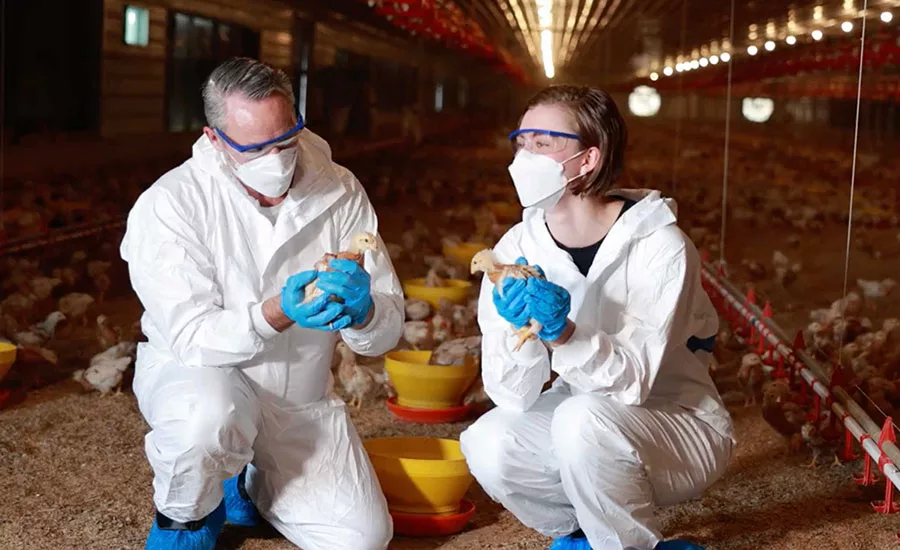
  • people holding baby chicks

    Serovar Differences Matter: Utility of Deep Serotyping in Broiler Production and Processing

    This article discusses the significance of Salmonella in...
    Testing & Analysis
    By: Nikki Shariat Ph.D.
  • woman washing hands

    Building a Culture of Hygiene in the Food Processing Plant

    Everyone entering a food processing facility needs to...
    Sanitation
    By: Richard F. Stier, M.S.
  • graphical representation of earth over dirt

    Climate Change and Emerging Risks to Food Safety: Building Climate Resilience

    This article examines the multifaceted threats to food...
    Best Practices
    By: Maria Cristina Tirado Ph.D., D.V.M. and Shamini Albert Raj M.A.
Manage My Account
  • eMagazine Subscription
  • Subscribe to Newsletters
  • Manage My Preferences
  • Website Registration
  • Subscription Customer Service

More Videos

Sponsored Content

Sponsored Content is a special paid section where industry companies provide high quality, objective, non-commercial content around topics of interest to the Food Safety Magazine audience. All Sponsored Content is supplied by the advertising company and any opinions expressed in this article are those of the author and not necessarily reflect the views of Food Safety Magazine or its parent company, BNP Media. Interested in participating in our Sponsored Content section? Contact your local rep!

close
  • Top view portrait of two factory workers standing by conveyor belt during quality inspection at food production, copy space
    Sponsored byFlexXray

    Foreign Material By the Numbers: What the 2026 Benchmark Report Reveals

  • a conveyorized industrial metal detector system that appears to resemble a Loma Systems IQ4 Metal Detector setup with an integrated conveyor belt and control panel for food or package inspection.
    Sponsored byMettler Toledo

    Beyond Detection: How to Avoid Physical Contamination in Food Through a Smarter Inspection Strategy

  • The image displays a bottling plant production line, commonly used in the beverage industry for filling and packaging soft drinks.
    Sponsored byBIOIONIX

    Sustainability with ROI: A Beverage Producer Case Study in Water Savings

Popular Stories

baby being spoon-fed jarred baby food

FDA Proposes Cadmium Action Levels for Baby Foods, Issues Preventive Controls Guidance for Chemical Hazards

This image depicts a meat processing facility

Study Finds Differences Between Beef, Pork Microbial Contamination During Processing

Auditor talking with food facility employee

The Role of Unannounced Audits in Strengthening Food Safety Culture

allergens ebook

Events

November 5, 2026

How Middle Managers Shape Food Safety Culture and Risk Performance

Live: November 5, 2026 at 11:00 am EST: From this webinar, attendees will learn how investing in middle managers improves both FSQ strategy implementation and accountability across all levels of the company.

November 12, 2026

From Data Overload to Actionable Food Safety Risk Intelligence

Live: November 12, 2026 at 11:00 am EST: This webinar explores how data integration, advanced analytics, and digital technologies can help transform disparate information into meaningful risk intelligence.

November 17, 2026

Do More with Your Data: Practical Ways to Modernize Food Safety Testing

Live: November 17, 2026 at 11:00 am EST: Attend this webinar to explore practical ways food processors can modernize sanitation verification and microbiological testing while keeping workflows simple and effective.

View All

Products

Global Food Safety Microbial Interventions and Molecular Advancements

Global Food Safety Microbial Interventions and Molecular Advancements

See More Products

Related Articles

  • efsa logo.png

    EFSA: White Food Coloring Chemical Poses No Consumer Health Concerns

    See More
  • farmer spraying chemicals

    EFSA Finds No Critical Health Concerns for Herbicide Glyphosate

    See More
  • rice in a container with a clear scoop

    Very Few Swedish Food Samples Exceed EU Limits for Pesticide Residue Levels

    See More

Related Products

See More Products
  • global food.jpg

    Global Food Safety Microbial Interventions and Molecular Advancements

  • 9781032369990 (1).webp

    Food Safety Quality Control and Management

  • 1119071127.jpg

    Food Safety, Risk Intelligence and Benchmarking

See More Products

Events

View AllSubmit An Event
  • May 6, 2026

    Allergen Uncertainty: Risk Assessment, Reference Doses, and Codex Management Guidance

    On Demand: Attendees will gain insight into the importance of preparing for the industry's shift from detection-based methods to risk-based allergen management.
  • September 22, 2026

    From EFSA to Enforcement: Managing the Growing Complexity of EU MRLs

    On Demand: Attend this webinar to evaluate best practices for monitoring regulatory changes and protecting market access.
View AllSubmit An Event

Related Directories

  • North American Chemical Residue Workshop

    NACRW) formerly the Florida Pesticide Residue Workshop conducts an annual meeting for scientists particularly interested in trace level analysis of pesticides, veterinary drug residues, and other chemicals in food, animal feed, and environmental samples. The purpose of the meeting is to provide training, develop and improve technical knowledge, facilitate development and distribution of new analysis methods and techniques, and establish networking to promote professional cooperation between scientists of these interests.
  • Sciex

    SCIEX food testing solutions help you meet maximum residue limits with high-quality data that is right every time. The success and growth of your food testing lab depends on versatile mass spectrometry and capillary electrophoresis solutions that can manage whatever comes your way. Whether you are a commercial lab or a food manufacturer, the quality of the food testing data you acquire is vital to your business.
  • National Environmental Health Assn. (NEHA)

    We support over 7,000 environmental health professionals globally, offering top-tier credentialing, educational materials, and events. Our FSMA courses include PCQI, FSVP, and IAVA. We employ experts to ensure the highest standards in practice and testing, fostering career growth and networking through our community and peer-reviewed journal. https://www.neha.org/FSPCA-PCQI-training.
×

Never miss the latest news and trends driving the food safety industry

Newsletters | Website | FSM Features Collection

JOIN TODAY!
  • RESOURCES
    • Advertise
    • Contact Us
    • Directories
    • Store
    • Want More
  • SIGN UP TODAY
    • Create Account
    • eMagazine
    • Newsletters
    • Customer Service
    • Manage Preferences
  • SERVICES
    • Marketing Services
    • Reprints
    • Market Research
    • List Rental
    • Survey/Respondent Access
  • STAY CONNECTED
    • LinkedIn
    • Facebook
    • Instagram
    • X (Twitter)
  • PRIVACY
    • PRIVACY POLICY
    • TERMS & CONDITIONS
    • DO NOT SELL MY PERSONAL INFORMATION
    • PRIVACY REQUEST
    • ACCESSIBILITY

Copyright ©2026. All Rights Reserved BNP Media, Inc. and BNP Media II, LLC.

Design, CMS, Hosting & Web Development :: ePublishing