EU Proposes More Flexible Storage Conditions for Certain Fresh Meat Before Freezing
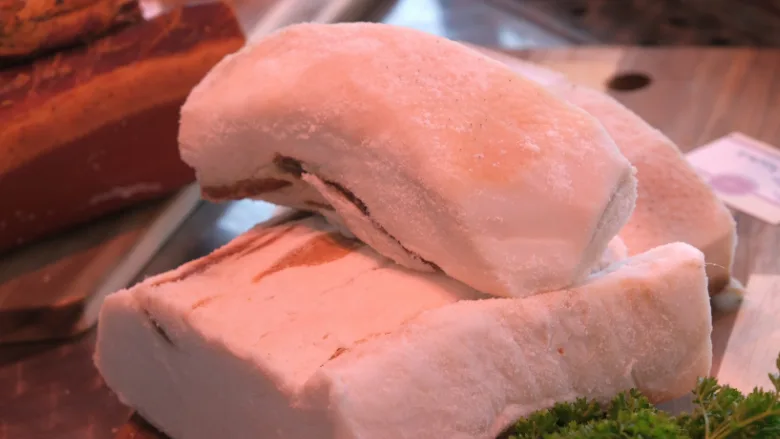
The European Commission has proposed amendments to EU food hygiene regulations that would provide food business operators with greater flexibility in the storage of fresh meat from domestic ungulates (i.e., cattle, sheep, pigs) before freezing, based on a recent European Food Safety Authority (EFSA) scientific opinion.
The draft Delegated Regulation would amend Annex III to Regulation (EC) No 853/2004, which lays down specific hygiene rules for food of animal origin. The proposal is open for public feedback until October 5, 2026.
Under existing requirements, meat from domestic ungulates intended for freezing must be frozen “without undue delay,” considering a stabilization period of several days to achieve a stable pH and core temperature, when necessary.
The proposed amendments would make the requirements more specific while allowing alternative approaches to storage before freezing, including different time and temperature combinations. Food business operators could also provide microbiological evidence, to the satisfaction of competent authorities, demonstrating the safety of fresh meat before freezing and after defrosting.
In drafting the regulations, the European Commission consulted an expert group representing competent authorities from all EU Member States and received the group’s support. Private stakeholder organizations were also consulted.
If adopted, the regulation would enter into force 20 days after its publication and would apply six months after publication.
EFSA Reviewed Microbial Growth on Cattle, Sheep, Pig Meat
The changes were informed by an EFSA scientific opinion on the microbiological safety of ungulate meat intended to be frozen and defrosted, which EFSA adopted in December 2025. EFSA compared microbial growth of relevant pathogenic, spoilage, and indicator microorganisms across five scenarios for the chilling, storage, and defrosting of bovine (cattle), ovine (sheep), and porcine (pig) meat. The assessment used predictive microbiology models considering temperature and, where possible, pH and water activity.
Looking for quick answers on food safety topics?
Try Ask FSM, our new smart AI search tool.
Ask FSM →
EFSA’s findings provided a scientific basis for specifying the existing “without undue delay” requirement in EU regulations and allowing alternative time-temperature combinations or microbiological evidence to demonstrate meat safety. Details about the scientific opinion, including key findings, can be read here.
The proposed changes would not apply to meat from even-toed farmed game mammals. EFSA was unable to assess meat from game ungulates or extrapolate findings for domestic ungulates to game ungulates because of insufficient data.