Researchers Identify Factors Associated with Widespread Food Safety Noncompliance Among Street Vendors in India
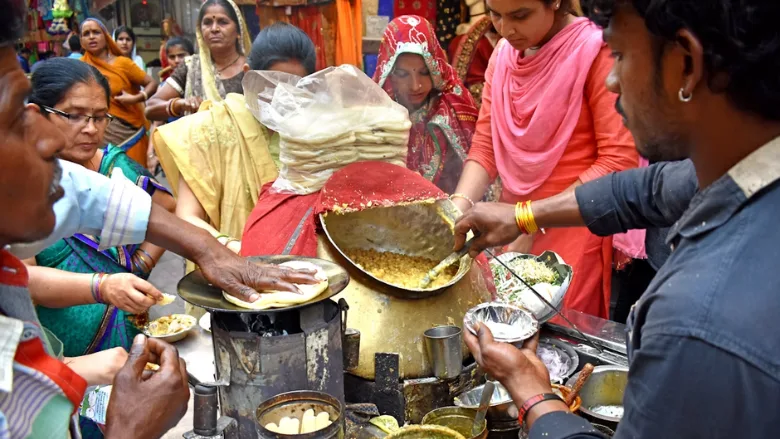
A study of street food vendors in Pune, India, found widespread noncompliance with Food Safety and Standards Authority of India (FSSAI) regulatory requirements, with significant gaps identified in sanitation, personal hygiene, operational controls, and infrastructure.
Published in BMC Public Health, the community-based, cross-sectional study assessed 170 street food vendors using an FSSAI inspection checklist. Researchers from Bharati Vidyapeeth Medical College evaluated compliance across four domains: Design and Facilities, Control of Operations, Maintenance and Sanitation, and Personal Hygiene. Data were collected from May–December 2025 through onsite observations and face-to-face interviews.
Nearly 70 Percent of Vendors Deemed Noncompliant
Overall, 68.8 percent of vendors were classified as noncompliant, while 13.5 percent needed improvement and 17.6 percent achieved satisfactory compliance. None achieved the highest "Compliance-Exemplar" rating. The most frequently recorded noncompliance categories included:
- Maintenance and Sanitation at 64.1 percent
- Personal Hygiene at 61.2 percent
- Control of Operations at 53.5 percent
- Design and Facilities at 42.9 percent.
Specific deficiencies were observed across the FSSAI checklist. For example:
- 32.9 percent of vendors had adequate handwashing facilities, and the same percentage provided lidded waste bins
- 14.7 percent washed raw food ingredients with potable water before cooking
- 17.1 percent regularly checked cooking oil quality
- 23.5 percent maintained appropriate hot and cold food temperatures.
- 27.1 percent stored food at the correct temperature
- 67.1 percent did not properly manage waste bins.
More positively, 83.5 percent of vendors complied with thorough cooking requirements.
Personal hygiene practices also showed substantial gaps. Although 54.1 percent of vendors washed their hands before or after appropriate tasks, fewer than half met requirements for clean appearance and protective clothing. Only 29.4 percent refrained from smoking, chewing, or spitting while handling food.
Less Than One-Fourth of Vendors Received Any Food Safety Training
The researchers also identified socioeconomic and employment factors associated with compliance. In their generalized linear models, lower income was associated with lower Maintenance and Sanitation, Control of Operations, Design and Facilities, and overall audit scores. The absence of a pre-placement medical examination was associated with lower Maintenance and Sanitation scores, while working as a cook was associated with lower Design and Facilities and overall audit scores.
Notably, only 21.8 percent of participating vendors reported having received any food safety training.
The authors said the findings demonstrated a need for targeted interventions, including regular food safety training, strengthened inspections and regulatory monitoring, medical examinations, and improved access to safe water, handwashing facilities, and appropriate waste disposal infrastructure. Because the study was cross-sectional and limited to vendors in one field practice area in Pune, the researchers cautioned that the findings cannot establish causality or necessarily be generalized to other settings.
Looking for quick answers on food safety topics?
Try Ask FSM, our new smart AI search tool.
Ask FSM →