Food Safety Provisions in the 2026 Farm Bill
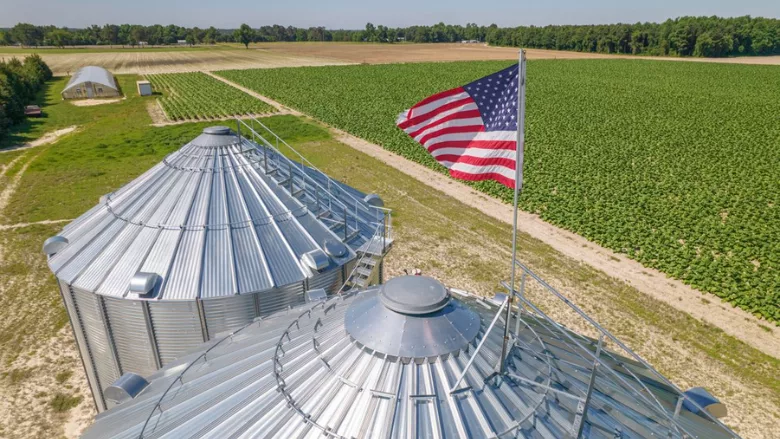
The Farm, Food, and National Security Act of 2026, commonly known as the 2026 Farm Bill, is an omnibus, multiyear law and is the primary piece of legislation that governs an array of agricultural and food programs. The 2026 Farm Bill would supersede the 2018 Farm Bill, amending, adding, and reauthorizing some of the programs in the 2018 version. On April 30, 2026, the U.S. House of Representatives voted in favor of the 2026 Farm Bill, advancing it to the Senate.
Although the Farm Bill is broad in scope, several provisions relate to food safety, as outlined in a report from the Congressional Research Service. In its present state, the bill would:
- Require the U.S. Department of Agriculture (USDA) and the U.S. Department of Health and Human Services (HHS) to develop and update food safety preparation regulations and guidelines for childcare facilities regarding fresh fruits and vegetables and other foods that are typically served raw or minimally processed.
- Reauthorize appropriations at current levels ($10 million annually) for the competitive grant program established under the U.S. Food and Drug Administration (FDA) Food Safety Modernization Act (FSMA) to support food safety training, education, extension, outreach, and technical assistance on the implementation of food safety standards. It would remove certain program coordination requirements involving the National Integrated Food Safety Initiative.
- Require USDA to provide guidance on Hazards Analysis and Critical Control Points (HACCP) plans to small and very small meat processors, including making publicly available scientific studies, guidelines, and model plans related to the development of a HACCP plan no later than 18 months after the bill’s enactment. Within two years, USDA would be required to publish a guidance document on requirements for developing a HACCP plan.
- Require USDA’s Food Safety and Inspection Service (USDA-FSIS) to conduct outreach related to its Cooperative Interstate Shipping Program.
- Establish a pilot program run by state departments of agriculture (or USDA in lieu of state departments) to allow custom slaughter facilities that are exempt from inspection to sell meat and poultry products directly to consumers.
- Require USDA to coordinate with FDA and U.S. Customs and Border Protection (CBP) to create a definition of honey and require USDA to establish specific testing standards to substantiate honey authenticity. The definition would be used for the enforcement of federal laws relating to the adulteration, mislabeling, and misbranding of honey and other related laws.
- Codify the recently established USDA Office of Seafood.
The bill would be budget neutral for mandatory (direct) spending over an 11-year budget window (Fiscal Years 2026 to 2036). In the shorter term, it is expected to increase mandatory spending by $162 million over the first six years (through Fiscal Year 2031).
Looking for quick answers on food safety topics?
Try Ask FSM, our new smart AI search tool.
Ask FSM →