Food Safety
search
Ask Food Safety AI
cart
facebook twitter linkedin instagram youtube
  • Sign In
  • Create Account
  • Sign Out
  • My Account
Food Safety
  • NEWS
    • Latest News
    • Sponsored Insights
    • Sponsored White Papers
  • PRODUCTS
  • TOPICS
    • Contamination Control
    • Food Types
    • Management
    • Process Control
    • Regulatory
    • Sanitation
    • Supply Chain
    • Testing and Analysis
  • PODCAST
  • EXCLUSIVES
    • Food Safety Five Newsreel
    • eBooks
    • FSM Distinguished Service Award
    • Interactive Product Spotlights
    • Videos
  • BUYER'S GUIDE
  • MORE
    • NEWSLETTERS >
      • Archive Issues
      • Subscribe to eNews
    • Store
    • ASK FSM AI
  • WEBINARS
  • FOOD SAFETY SUMMIT
  • EMAG
    • eMagazine
    • Archive Issues
    • Editorial Advisory Board
    • Contact
    • Advertise
  • SIGN UP!
NewsContamination ControlManagementRegulatoryRecall/Crisis ManagementMicrobiological ControlInternational Standards/Harmonization

National Officials Publish Analysis of Netherlands' Largest-Ever Salmonella Enteritidis Outbreak
By Food Safety Magazine Editorial Team
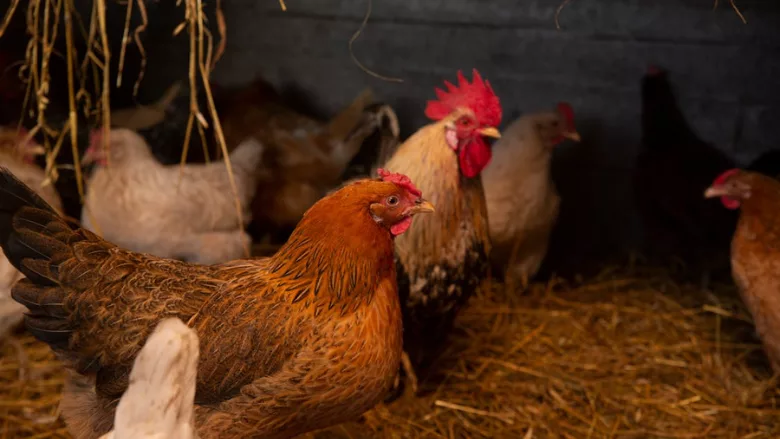
chickens in a coop
Image credit: Ivan Babydov via Pexels
March 20, 2026

A new post-incident analysis published in Eurosurveillance has offered insights and lessons learned from a nationwide outbreak of Salmonella Enteritidis that occurred in the Netherlands in 2023–2025. The incident represents the largest S. Enteritidis outbreak recorded to date in the Netherlands. A key cause of the outbreak was determined to be contaminated eggshells used in poultry feed.

The outbreak investigation was carried out by the National Institute for Public Health and the Environment (RIVM) and the competent authorities for animal health and food safety.

Outbreak Background

In July 2023, nine genetically related S. Enteritidis cases were identified through national genomic surveillance. In October 2023, the case count had risen to 91. By the end of the outbreak, there were 227 confirmed cases of illness, with an additional 28 historical cases identified.

The authors noted the true scale was likely significantly higher, citing estimates that for every reported case, there may be 26 additional infections.

Eggshell Feed Identified as Key Source of Contamination

Epidemiological data and whole genome sequencing (WGS) linked the outbreak to eggs from Dutch layer hen farms. However, finding the source of contamination proved complex due to the involvement of multiple farms and egg distribution pathways. Investigators shifted focus upstream in the production chain, identifying dried eggshells used as a calcium source in poultry feed as a common factor. An S. Enteritidis isolate recovered from dried eggshells matched one of the outbreak subclusters.

RIVM determined that controls during processing of the eggshells were insufficient, either due to inadequate heat treatment or recontamination, allowing the pathogen to persist and enter feed, and likely contributing to the outbreak’s prolonged and diffuse nature.

Multiple Sources and Persistent Transmission Challenges

The outbreak comprised two genetically related subclusters. While eggshell-derived feed was linked to one subcluster, the source of the second subcluster remained unclear. As cases continued into 2025, investigators began to suspect that there were multiple contamination routes within the egg production chain.

Looking for quick answers on food safety topics?
Try Ask FSM, our new smart AI search tool.
Ask FSM →

However, investigators were unable to determine how S. Enteritidis was initially introduced to the supply chain or how it spread to some farms without direct links to the implicated feed.

Interventions and Industry Response

Following the identification of the contamination source, interventions were implemented across the sector. These included increased awareness among producers, avoidance of feed from implicated manufacturers, and strengthened biosecurity, hygiene, and traceability practices.

Additionally, the Dutch laying hen sector increased Salmonella testing frequency. Beginning in January 2024, testing intervals for older hens were reduced from every 15 weeks to every eight weeks. In October 2025, testing intervals were again shortened to every eight weeks for younger hens and every four weeks for hens older than 65 weeks.

These actions coincided with a decline in cases, although the persistence of one subcluster indicated that strengthened testing protocols were not the sole driver of the decline.

Importance of Feed Safety Controls and Data-Sharing

The outbreak underscored the role of animal feed as a vector for Salmonella introduction and highlighted the importance of effective microbiological control during feed production. Investigators emphasized that treatment parameters, including time, temperature, and processing conditions, must be adequately controlled.

The investigation also demonstrated the value of cross-sector collaboration. A voluntarily shared eggshell isolate from a feed producer was instrumental in identifying the contamination source. However, delays in sequencing and data-sharing limited earlier detection of affected farms.

The authors concluded that more frequent testing and real-time sharing of isolates across public health, food safety, and animal health sectors would improve outbreak response and prevention.


KEYWORDS: animal feed foodborne illness Netherlands outbreak investigations Salmonella

Share This Story

Fsm purple logo 200x200

The Food Safety Magazine editorial team comprises Bailee Henderson, Director of Content Strategy and news editor ✉, and Adrienne Blume, M.A., Director of Editorial and Industry Engagement.

Recommended Content

JOIN TODAY
to unlock your recommendations.

Already have an account? Sign In

  • people holding baby chicks

    Serovar Differences Matter: Utility of Deep Serotyping in Broiler Production and Processing

    This article discusses the significance of Salmonella in...
    Food Type
    By: Nikki Shariat Ph.D.
  • woman washing hands

    Building a Culture of Hygiene in the Food Processing Plant

    Everyone entering a food processing facility needs to...
    Facilities
    By: Richard F. Stier, M.S.
  • graphical representation of earth over dirt

    Climate Change and Emerging Risks to Food Safety: Building Climate Resilience

    This article examines the multifaceted threats to food...
    Management
    By: Shamini Albert Raj M.A. and Maria Cristina Tirado Ph.D., D.V.M.
Manage My Account
  • eMagazine Subscription
  • Subscribe to Newsletters
  • Manage My Preferences
  • Website Registration
  • Subscription Customer Service

More Videos

Sponsored Content

Sponsored Content is a special paid section where industry companies provide high quality, objective, non-commercial content around topics of interest to the Food Safety Magazine audience. All Sponsored Content is supplied by the advertising company and any opinions expressed in this article are those of the author and not necessarily reflect the views of Food Safety Magazine or its parent company, BNP Media. Interested in participating in our Sponsored Content section? Contact your local rep!

close
  • an automated industrial production line used in a modern food factory
    Sponsored byIFC

    A Formula for Food Processing Pest Management

  • fly
    Sponsored byOrkin Commercial

    Fly Control in Food Processing Facilities: Managing Seasonal Food Safety Risks

  • Darkling Beetle
    Sponsored byElanco Animal Health

    Integrated Pest Management: Protecting Poultry Operations as Seasons Change

Popular Stories

naturally colored cupcakes with sprinkles

Natural vs. Artificial Ingredients in Baking: What Food Manufacturers and Consumers Need to Know

dry instant noodles pack

Salmonella-Contaminated Instant Noodles Sicken Dozens of Children Across Europe

Cyclospora cayetanensis oocysts

Foodborne Parasite Cyclospora Sickens Hundreds Across U.S.

building a skilled workforce ebook

Events

July 21, 2026

Using AI Responsibly in Food Safety Management Systems

Live: July 21, 2026 at 2:00 pm EDT: This webinar will provide participants with guidance on how to effectively use generative artificial intelligence (AI) tools to develop key components of a food safety management system (FSMS).

August 6, 2026

Beyond Sanitation: Understanding the Hidden System Conditions That Allow Pathogens to Persist

Live: August 6, 2026 at 2:00 pm EDT: Attend this webinar to learn strategies for strengthening environmental control programs through a layered approach to pathogen management.

August 11, 2026

Beyond Sanitization: Reducing Contamination Risk Without Raising Operating Cost

Live: August 11, 2026 at 2:00 pm EDT: Attend this webinar to learn why ambient air is the largest and most overlooked contamination zone in food processing, and what it costs you between scheduled cleans.

View All

Products

Global Food Safety Microbial Interventions and Molecular Advancements

Global Food Safety Microbial Interventions and Molecular Advancements

See More Products

Related Articles

  • Cooperative Investigation Response to the 2004 Salmonella Enteritidis Outbreak from Raw Almonds

    See More
  • Plant at Center of Largest Ever Salmonella Ground Beef Recall Accused of “Inhumane” Animal Treatment in USDA FSIS Inspection Records

    See More
  • FSS recalls generic image

    Outbreak Investigation of Salmonella Enteritidis: Peaches (August 2020)

    See More

Related Products

See More Products
  • 1118396308.jpg

    High Throughput Analysis for Food Safety

  • 9781498721776.jpg

    Handbook of Food Processing: Food Safety, Quality, and Manufacturing Processes

  • 1444333348.jpg

    Handbook of Food Safety Engineering

See More Products

Related Directories

  • Romer Labs

    Romer Labs is a global leader in innovative diagnostic solutions for food and feed safety. With a focus on mycotoxins, food allergens, GMOs, and microbial contaminants, we strive to meet the ever-changing demands of our customers. Furthermore, we operate a global network of 6 ISO accredited laboratories.
×

Never miss the latest news and trends driving the food safety industry

Newsletters | Website | eMagazine

JOIN TODAY!
  • RESOURCES
    • Advertise
    • Contact Us
    • Directories
    • Store
    • Want More
  • SIGN UP TODAY
    • Create Account
    • eMagazine
    • Newsletters
    • Customer Service
    • Manage Preferences
  • SERVICES
    • Marketing Services
    • Reprints
    • Market Research
    • List Rental
    • Survey/Respondent Access
  • STAY CONNECTED
    • LinkedIn
    • Facebook
    • Instagram
    • X (Twitter)
  • PRIVACY
    • PRIVACY POLICY
    • TERMS & CONDITIONS
    • DO NOT SELL MY PERSONAL INFORMATION
    • PRIVACY REQUEST
    • ACCESSIBILITY

Copyright ©2026. All Rights Reserved BNP Media, Inc. and BNP Media II, LLC.

Design, CMS, Hosting & Web Development :: ePublishing