Tetra Pak Announces Landmark Use of Aseptic Packaging with Sustainable Paper Barrier
Tetra Pak, in collaboration with García Carrión, has unveiled the first-ever use of its paper-based barrier technology for juice packaging. The innovation in sustainable food packaging solutions marks a step toward reducing reliance on fossil-based materials, with the new packaging material now being rolled out across multiple markets.
Tetra Pak’s paper-based barrier replaces the traditional aluminum foil layer in aseptic carton design. The renewable, paper-based barrier promotes the shift from a fossil-based material to a low-carbon, renewable alternative and reduces the carbon footprint of packaging. Together with other layers in the packaging, the paper-based barrier protects against oxygen, light, moisture, and bacteria, thereby ensuring food safety. The product’s shelf life is comparable to packages with an aluminum foil layer.
Aseptic cartons with a new paper-based barrier can be collected, sorted, and recycled where recycling infrastructure is in place, at scale. The new paper-based barrier is expected to deliver additional benefits downstream for recycling infrastructure efficiency, such as maximizing the recovery of paper content from the recycling process of carton packages while ensuring high-quality fiber and non-fiber fractions.
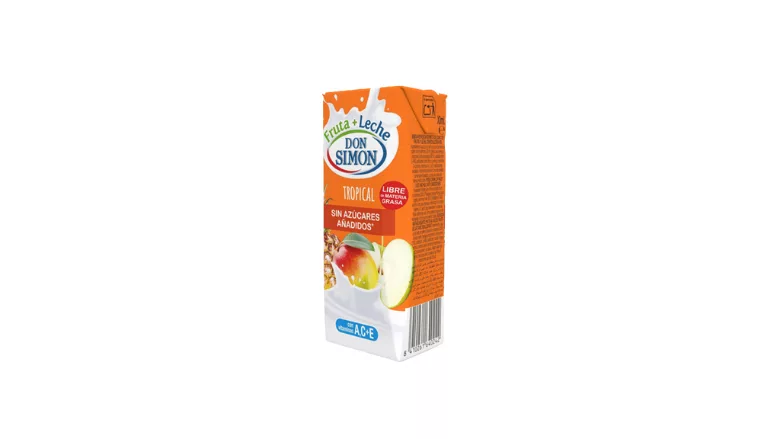
Marking the first time this aseptic carton with paper-based barrier has been used for juice, Tetra Pak and Spanish beverage producer García Carrión have launched the Tetra Brik Aseptic 200 milliliter (ml) Slim Leaf carton featuring a paper-based barrier for juice, under the flagship Don Simón brand. This is also the first use of the paper-based barrier for aseptic packaging in Spain.
Made of up to 80 percent paper, the packaging reinforces its sustainability credentials. The combination of the paper-based barrier with plant-based polymers used in the packaging material coatings pushes the renewable content to 92 percent. It reduces the carbon footprint by 43 percent when compared with an aseptic package that uses an aluminum foil layer and fossil-based polymers, as verified by the Carbon Trust.
Looking for quick answers on food safety topics?
Try Ask FSM, our new smart AI search tool.
Ask FSM →