Mexican Public and Private Sectors Stress Need for Collaboration on Agri-Food Defense
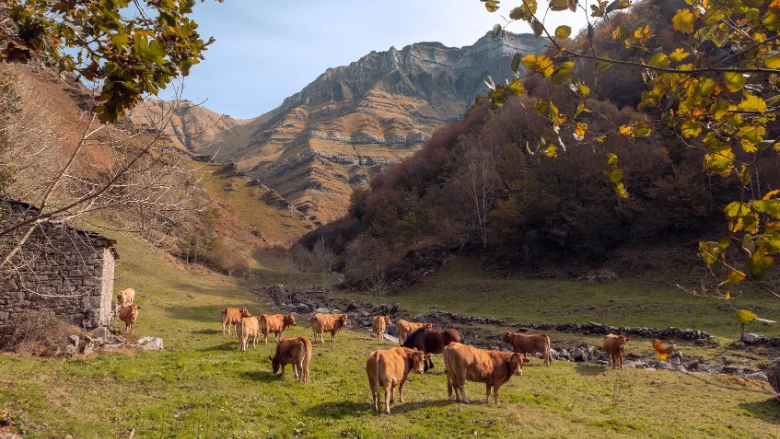
During the inaugural meeting of the Third National Congress on Animal and Plant Health and Food Safety 2025, representatives from the Mexican government, academia, and private industry discussed the need for cross-sector collaboration to ensure food safety in the face of emerging risks. The Congress was organized by the Mexican National Agricultural Council (CNA).
During the event, Javier Calderón Elizalde, the Chief Director of the National Service of Animal and Plant Health, Food Safety and Quality (SENASICA), emphasized the Congress’ importance as one of the main forums to raise the profile of public policies related to animal and plant health, which are pillars of food safety and security.
Mr. Calderón Elizalde highlighted the growing risk posed by pests and diseases to food safety and security, as microbes that were once confined to tropical regions are now spreading temperate zones, changing ecosystems and epidemiological patterns. He called for modernized surveillance that is both predictive and technologically advanced, coupled with the development of crisis plans and the institutionalization of national health drills to quickly and effectively respond to outbreak threats. Achieving this level of preparedness requires investment from the private sector in a mutually beneficial alliance with the State, which Mr. Calderón Elizalde described as “not an expense, but an investment in sovereignty and economic stability.”
Representatives from the Institutional Trust Funds Related to Agriculture (FIRA), the Business Coordinating Council (CCE), the International Regional Organization of Plant and Animal Health (OIRSA), the Inter-American Institute for Cooperation on Agriculture (IICA), and the public research and education institution Colegio de Postgraduados (COLPOS) acknowledged SENASICA’s work to protect animal and plant health and agreed with Mr. Calderón Elizalde’s call for collaboration to support its efforts. Speakers stressed the significance of agriculture and food production to the Mexican economy and commended the existing public-private synergy that is already driving discussions around agri-health and food safety.
Specific needs and challenges pinpointed during the meeting included the emergence of New World Screwworm (NWS), continuous improvement of the Mexican countryside agriculturally, and the inclusion of research institutions in the defense agri-food systems.
Looking for quick answers on food safety topics?
Try Ask FSM, our new smart AI search tool.
Ask FSM →