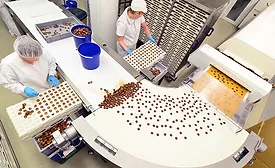
Food processors do not always consider the physical hazards that may be brought in with agricultural raw materials, or have systems in place to address them. Focus may also be diverted by looking at other sources of foreign material because adequate agricultural information is not available.
FlexXray’s 2025 Foreign Material (FM) contamination survey reveals offers an industry-wide snapshot of how often foreign material contamination happens and how facilities are responding.
Foodservice executive teams must understand the risk that foreign material (FM) poses to the brand and ensure that the resources for a knowledgeable FM team are a top food safety priority
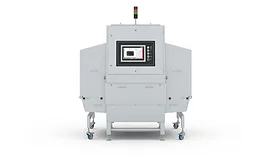
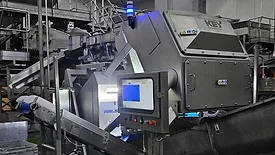
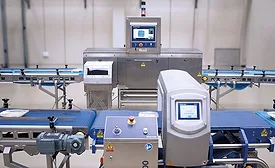
Foreign material (FM) is a known food safety hazard that is starting to be seen as an expected and accepted risk. FM detection devices are abundant in production facilities, but a detection device should never be viewed as a control point; rather, it is an insurance policy against food adulteration.
Foreign material is an ongoing issue in food plants. The food safety foreign material plan must consider types of foreign materials, effectiveness of detection devices, and rapid screening of food safety device kick-outs. Tools to enhance investigation of these materials are equipment component mapping, defined burst limits, and protocols to restart the line.
The foundation of the foreign material prevention equation is the creation, implementation, and daily practice of a food safety culture that values and requires a preventive approach to foreign material.