Although food safety spending cuts were associated with local authority staffing reductions and decreases in the number of official food hygiene interventions, industry compliance was not negatively affected.
The FAO/WHO Joint Expert Meeting on Microbiological Risk Assessment (JEMRA) has published a report on prevention and intervention measures for foodborne virus–commodity pairs of concern.
The UK Government’s PFAS Plan addresses human dietary exposure and food and water contamination, environmental monitoring, potentially restricting PFAS uses, and other actions.
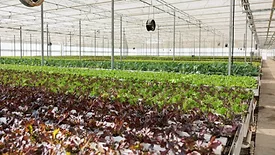
The researchers found that advanced, multi-step disinfection treatment significantly reduces the antibiotic resistance (AMR)-related food safety risks of wastewater reused for irrigation, while biological treated water remains a potential source of resistant bacteria contamination.
This episode of Food Safety Five discusses new research about the rising Salmonella disease burden worldwide and the utility of whole genome sequencing (WGS) for Salmonella surveillance.
The Technical University of Denmark (DTU) National Food Institute is home to the new WHO Collaborating Center for Risk and Benefits of Foods and Diets.
A new publication from FAO analyzes existing regulatory frameworks related to online food sales and presents recommendations to national authorities on the development of food e-commerce laws and enforcement.
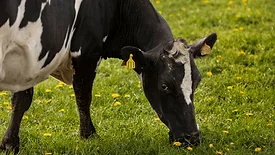
Antibodies for highly pathogenic avian influenza H5N1 (HPAI H5N1) have been detected in a Dutch dairy cow, indicating the animal was infected with the virus.
Responding to the global infant formula recall affecting products from Nestlé, Danone, and other producers, the European Food Safety Authority (EFSA) has determined concentrations of cereulide in formula that pose a safety concern to guide risk management decisions that protect public health.
Dr. Alejandro Castillo is looking closely at Listeria contamination in the Mexican–U.S. avocado supply chain. Dr. Matt Taylor is working to help meat and poultry producers validate the microbial safety of their products and ensure regulatory compliance.
 RSS
RSS