Foodborne illness litigation can pose significant financial and reputational risks for food companies. Proactive food safety planning, documentation, and legal preparedness are essential to defending against claims arising from outbreaks.
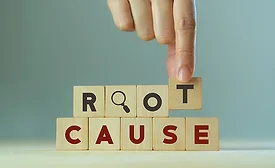
Root cause analysis can turn routine food safety deviations into opportunities to identify systemic weaknesses, strengthen preventive controls, and reduce the likelihood of recurrence.
FDA recently proposed the most significant changes to its GRAS framework since 1958. For companies managing ingredient compliance, the proposed mandatory filing obligations raise questions about statutory authority, agency capacity, and whether its design matches its stated objectives.
The self-affirmed GRAS pathway has supported innovation in the food industry for decades by allowing companies to bring new ingredients to market based on robust scientific evidence. As FDA considers changing this pathway, manufacturers should understand both the criticisms driving the debate and the steps they can take to prepare for potential regulatory change.
Automated, risk-tiered supplier monitoring does not prevent an outbreak (like this summer's cyclosporiasis event) or replace the traceback work done by FDA and CDC, but it can change how fast and how precisely a distributor can act while that investigation unfolds.
The recent Cyclospora outbreak linked to shredded iceberg lettuce is a reminder of just how difficult modern foodborne outbreak investigations have become. In reality, food safety investigations rarely depend on a single "smoking gun." The future of ensuring food safety lies not in simply improving any one test or technology, but in integrating them into a comprehensive decision-support system.
Science and decision-making rarely operate on the same timeline. While scientists continue evaluating new evidence, people across the food system are making decisions based on the best information available at that moment. This creates a natural tension, as the ongoing Cyclospora outbreak investigation has demonstrated
IAFNS-supported researchers have developed a low-moisture cleaning solution that is not only effective and less of a hazard for workers and plants, but also has the potential to save cleaning time.
 RSS