Food Safety
search
Ask Food Safety AI
cart
facebook twitter linkedin instagram youtube
  • Sign In
  • Create Account
  • Sign Out
  • My Account
Food Safety
  • NEWS
    • Latest News
    • Food Safety Five Newsreel
  • PRODUCTS
  • TOPICS
    • Contamination Control
    • Food Types
    • Management
    • Process Control
    • Regulatory
    • Sanitation
    • Supply Chain
    • Testing and Analysis
  • PODCAST
  • EXCLUSIVES
    • eBooks
    • Sponsored Insights
    • Sponsored White Papers
    • FSM Distinguished Service Award
    • Interactive Product Spotlights
    • Videos
  • MORE
    • BUYER'S GUIDE
    • NEWSLETTERS >
      • Archive Issues
      • Subscribe to eNews
    • Store
    • ASK FSM AI
  • WEBINARS
  • FOOD SAFETY SUMMIT
  • FSM FEATURES
    • FSM Features Collection
    • eMag Archives
    • Editorial Advisory Board
    • Contact
    • Advertise
  • SIGN UP!
ManagementRecall/Crisis Management

OP-ED

The Best Defense Against Foodborne Illness Litigation Begins Before an Outbreak

By Joshua Swiger J.D.
gavel, fork, and spoon
Image credit: geckophotos / iStock/Getty Images Plus via Getty Images
November 3, 2026

By the time a company is sued over a foodborne illness, much of its defense has already been written. It can be found in the company's food safety plan, the records showing whether employees followed it, and the decisions made before anyone became sick. After serving as defense counsel in major national foodborne illness outbreaks over the past 25 years, I have seen the same lesson repeatedly: The best litigation strategy begins long before an outbreak occurs. 

Why Foodborne Illness Cases Are Difficult to Defend

This past summer's national outbreak linked to iceberg lettuce shows how massive these problems can become within the modern, centralized food system—and how damaging these issues can be to companies and their brands. As of October 2, 2026, the Cyclospora outbreak involving product sourced from Taylor Farms de Mexico has affected at least 12,883 individuals in 21 states.1 This outbreak, which the Centers for Disease Control and Prevention (CDC) declared over on September 11,1 has gained national attention, resulting in negative brand associations and a loss of public trust.

Most jurisdictions apply strict liability principles to certain participants throughout the food distribution chain. This means that if a food product is found to be defective, a supplier may be liable regardless of whether it was negligent. Food adulteration can provide a basis for establishing that a product is defective. Moreover, once the U.S. Food and Drug Administration (FDA), U.S. Department of Agriculture (USDA), or CDC has identified a link between a product and an outbreak, it is often difficult, as a practical matter, to convince a jury otherwise. It may not be enough to deny that the product caused the injury; the defendant may need to provide an alternative cause of the person's illness, which is often impossible. That is not the law, but it is frequently the reality of these cases.

Once the connection is made, the strategy often shifts to mitigating damages and attempting to resolve the cases. While these cases usually settle, recent increases in jury verdicts have driven higher settlement values in foodborne illness cases and attracted greater interest from plaintiffs' lawyers willing to take such cases. These cases also pose a particular risk because potential jurors seem to react more viscerally to foodborne illness claims than to many other types of claims. That may be because the risk feels both familiar and largely beyond an individual's control: Foodborne illness can happen to anyone, regardless of the precautions they take. 

Say What You Do, Do What You Say

Undoubtedly, no one in the food industry wants to cause foodborne illness among their customers. That reality, combined with the risks associated with litigation, means companies should do everything reasonably possible to avoid a foodborne illness outbreak. The best way to do that is to have a robust food safety plan, including documentation of the plan and the company's efforts to implement and follow it. In my experience, many outbreaks involve systemic breakdowns across multiple aspects of a food safety plan. 

Do not make the mistake of assuming your company is immune from these concerns because of the specific characteristics of its products. Foodborne illnesses and outbreaks have been associated with numerous products that were previously thought to pose little risk. The number of ways a contaminant or pathogen can enter the manufacturing process or supply chain is numerous. 

Failing to have a qualified food safety professional on staff or to consult with one—and failing to have an appropriate food safety plan in place—can be especially damaging if the company later faces litigation. Food safety is a maturing and evolving science, and the necessary interventions are often sophisticated. Consultation with a qualified professional is strongly advised.

Looking for quick answers on food safety topics?
Try Ask FSM, our new smart AI search tool.
Ask FSM →

Just as important, once a company has a food safety plan in place, it must follow it. Make sure the plan accurately describes the company's processes and food safety interventions, and then make sure employees follow it. 

In litigation, that written plan becomes a roadmap for the opposing counsel. Deviations from the plan create opportunities for a skilled attorney to make testifying witnesses very uncomfortable—and provide ready-made evidence to argue that "the company didn't even follow its own plan." That does not mean a company should avoid having a written plan; for many food businesses, maintaining one is a legal requirement.

Insurance, Evidence Preservation, and Legal Preparedness

A company should make sure it has adequate insurance to mitigate its risk further. Experienced counsel can advise on the types and amounts of insurance that may be appropriate. If the company becomes embroiled in a foodborne illness case, that attorney can also help ensure that the insurer retains knowledgeable defense counsel as early as possible. 

Over the past decade, evidence preservation has become an increasingly significant focus in litigation. Some plaintiffs' lawyers use the discovery process tactically, seeking adverse inferences or sanctions based on alleged failures to preserve or produce evidence. It is important that the lawyer defending a foodborne illness claim understands the unique issues these cases present. 

Foodborne illness cases may also present issues that do not typically arise in ordinary civil litigation. For example, although criminal prosecutions are relatively uncommon, violations involving the distribution of adulterated food can result in criminal penalties under certain circumstances.

Questions concerning privilege and work-product protection require particular care as well. Materials developed during a foodborne illness outbreak investigation may be discoverable, even when litigation is anticipated. Whether attorney-client privilege or work-product protection applies can depend on the circumstances under which the materials were created and how they are subsequently used or disclosed. Inexperienced counsel may not recognize this distinction. 

The bottom line is that businesses need to take foodborne illness litigation seriously. A jury is likely to be sympathetic to a person claiming to have been harmed and unforgiving of the company it believes caused the harm. Companies must evaluate their risks, develop and follow a plan to mitigate those risks, maintain adequate insurance coverage, and consult with experienced attorneys if made aware of an outbreak or claim. Ultimately, the survival of both the company and its brand may depend on how well it prepares and responds. 

Reference

  1. U.S. Food and Drug Administration (FDA). "Investigation of Multistate Outbreak of Cyclospora Illnesses: Iceberg Lettuce (July 2026)." Current as of October 2, 2026. https://www.fda.gov/food/outbreaks-foodborne-illness/investigation-multistate-outbreak-cyclospora-illnesses-iceberg-lettuce-july-2026

KEYWORDS: legal issues

Share This Story

Joshua Swiger, J.D. is a Partner at Weinberg Wheeler Hudgins Gunn & Dial in Atlanta, Georgia. He focuses his legal practice on solving his clients' complex legal issues, whether in high-stakes litigation or significant business transactions. Nationally recognized for his experience in foodborne illness litigation, Swiger is a former Chair of the DRI Product Liability Food Law Special Litigation Group and a sought-after speaker and author on foodborne illness topics.

Recommended Content

JOIN TODAY
to unlock your recommendations.

Already have an account? Sign In

  • people holding baby chicks

    Serovar Differences Matter: Utility of Deep Serotyping in Broiler Production and Processing

    This article discusses the significance of Salmonella in...
    Food Type
    By: Nikki Shariat Ph.D.
  • woman washing hands

    Building a Culture of Hygiene in the Food Processing Plant

    Everyone entering a food processing facility needs to...
    Food Prep/Handling
    By: Richard F. Stier, M.S.
  • graphical representation of earth over dirt

    Climate Change and Emerging Risks to Food Safety: Building Climate Resilience

    This article examines the multifaceted threats to food...
    Contamination Control
    By: Maria Cristina Tirado Ph.D., D.V.M. and Shamini Albert Raj M.A.
Manage My Account
  • eMagazine Subscription
  • Subscribe to Newsletters
  • Manage My Preferences
  • Website Registration
  • Subscription Customer Service

More Videos

Sponsored Content

Sponsored Content is a special paid section where industry companies provide high quality, objective, non-commercial content around topics of interest to the Food Safety Magazine audience. All Sponsored Content is supplied by the advertising company and any opinions expressed in this article are those of the author and not necessarily reflect the views of Food Safety Magazine or its parent company, BNP Media. Interested in participating in our Sponsored Content section? Contact your local rep!

close
  • pre-packaged salads, noodles, and prepared meals stocked on multi-tier grocery store refrigerator shelves
    Sponsored byCorbion

    How Many Days of Shelf Life Are You Leaving on the Table?

  • Top view portrait of two factory workers standing by conveyor belt during quality inspection at food production, copy space
    Sponsored byFlexXray

    Foreign Material By the Numbers: What the 2026 Benchmark Report Reveals

  • a conveyorized industrial metal detector system that appears to resemble a Loma Systems IQ4 Metal Detector setup with an integrated conveyor belt and control panel for food or package inspection.
    Sponsored byMettler Toledo

    Beyond Detection: How to Avoid Physical Contamination in Food Through a Smarter Inspection Strategy

Popular Stories

choosing food in the freezer aisle

Refrigerator Malfunctions on U.S. Military Bases May Be Result of Targeted Cyberattacks, Similar to French Incident

This image depicts a meat processing facility

Study Finds Differences Between Beef, Pork Microbial Contamination During Processing

doctor talking to patient

U.S. is Making Little Progress Toward 2030 Foodborne Illness Reduction Goals, Data Shows

allergens ebook

Events

November 5, 2026

How Middle Managers Shape Food Safety Culture and Risk Performance

Live: November 5, 2026 at 11:00 am EST: From this webinar, attendees will learn how investing in middle managers improves both FSQ strategy implementation and accountability across all levels of the company.

November 12, 2026

From Data Overload to Actionable Food Safety Risk Intelligence

Live: November 12, 2026 at 11:00 am EST: This webinar explores how data integration, advanced analytics, and digital technologies can help transform disparate information into meaningful risk intelligence.

November 17, 2026

Are You Getting the Most from Your Food Safety Testing?

Live: November 17, 2026 at 11:00 am EST: Attend this webinar to explore practical ways food processors can modernize sanitation verification and microbiological testing while keeping workflows simple and effective.

View All

Products

Global Food Safety Microbial Interventions and Molecular Advancements

Global Food Safety Microbial Interventions and Molecular Advancements

See More Products

Related Articles

  • variety of fresh caught fish on ice

    Study of UK Supply Chain Finds Third-Party Certification Best Defense Against Seafood Fraud

    See More
  • food handler wearing gloves holding fruit

    Good Hygiene Best Food Safety Defense Against Staphylococcus aureus in Foodservice

    See More
  • sprouts

    An Overview of Historic Foodborne Illness Outbreak Investigations Linked to the Consumption of Sprouts: 2012–2020

    See More

Related Products

See More Products
  • 9781138198463.jpg

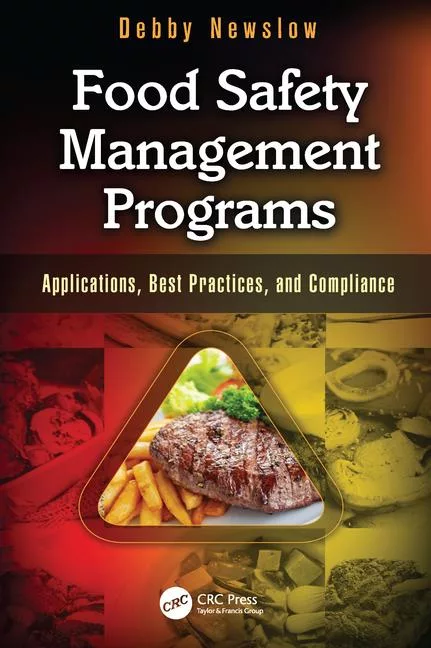
    Food Safety Management Programs: Applications, Best Practices, and Compliance

  • 1119053595.jpg

    Food Safety for the 21st Century: Managing HACCP and Food Safety throughout the Global Supply Chain, 2E

  • 1119258073.jpg

    FSMA and Food Safety Systems: Understanding and Implementing the Rules

See More Products

Events

View AllSubmit An Event
  • December 11, 2025

    How to Develop and Implement an Effective Food Defense Strategy

    On Demand: From this webinar, attendees will learn common areas where companies encounter challenges in their food defense strategies and how to address them.
View AllSubmit An Event

Related Directories

  • Stop Foodborne Illness

    As the voice of people affected by foodborne illness, we collaborate with partners in academia, the food industry, consumer and public health groups, and government to prevent foodborne illness. We advocate for effective food safety policy and facilitate culture change to increase food safety.
  • Food Safety News

    Food Safety News advances public health by delivering timely, accurate, and comprehensive coverage of foodborne illness outbreaks, recalls, and regulatory developments that impact the safety of our global food supply.
  • Active Food Safety

    Active Food Safety consists of an experienced team of food safety professionals who are thought-leaders in the food industry, and have each led enterprise level food safety management programs in several of the most well-known and respected brands in the food industry. We continuously help our clients ensure food safety based on proven business best practices designed specifically to the brand - to maximize risk reduction to prevent foodborne disease illnesses and outbreaks, to meet all government regulatory requirements, and to improve sales and brand reputation.
×

Never miss the latest news and trends driving the food safety industry

Newsletters | Website | FSM Features Collection

JOIN TODAY!
  • RESOURCES
    • Advertise
    • Contact Us
    • Directories
    • Store
    • Want More
  • SIGN UP TODAY
    • Create Account
    • eMagazine
    • Newsletters
    • Customer Service
    • Manage Preferences
  • SERVICES
    • Marketing Services
    • Reprints
    • Market Research
    • List Rental
    • Survey/Respondent Access
  • STAY CONNECTED
    • LinkedIn
    • Facebook
    • Instagram
    • X (Twitter)
  • PRIVACY
    • PRIVACY POLICY
    • TERMS & CONDITIONS
    • DO NOT SELL MY PERSONAL INFORMATION
    • PRIVACY REQUEST
    • ACCESSIBILITY

Copyright ©2026. All Rights Reserved BNP Media, Inc. and BNP Media II, LLC.

Design, CMS, Hosting & Web Development :: ePublishing