Food Safety
search
Ask Food Safety AI
cart
facebook twitter linkedin instagram youtube
  • Sign In
  • Create Account
  • Sign Out
  • My Account
Food Safety
  • NEWS
    • Latest News
    • White Papers
  • PRODUCTS
  • TOPICS
    • Contamination Control
    • Food Types
    • Management
    • Process Control
    • Regulatory
    • Sanitation
    • Supply Chain
    • Testing and Analysis
  • PODCAST
  • EXCLUSIVES
    • Food Safety Five Newsreel
    • eBooks
    • FSM Distinguished Service Award
    • Interactive Product Spotlights
    • Videos
  • BUYER'S GUIDE
  • MORE
    • NEWSLETTERS >
      • Archive Issues
      • Subscribe to eNews
    • Store
    • Sponsor Insights
    • ASK FSM AI
  • WEBINARS
  • FOOD SAFETY SUMMIT
  • EMAG
    • eMagazine
    • Archive Issues
    • Editorial Advisory Board
    • Contact
    • Advertise
  • SIGN UP!
SanitationCleaners/Sanitizers

New Cleaning Agent for Food Facilities May Improve the Bottom Line
By Ariel Garsow Ph.D.
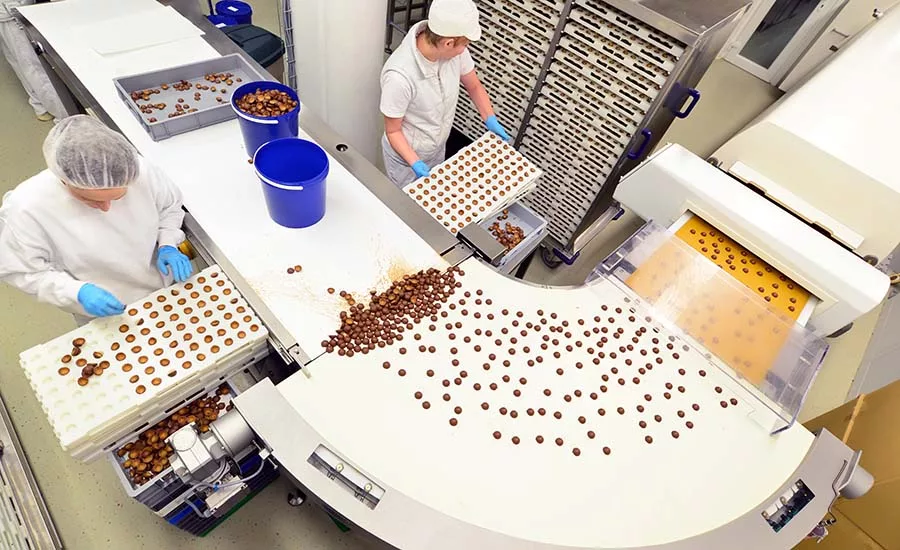
people working on chocolate production line
Image credit: industryview/iStock/Getty Images Plus via Getty Images
June 3, 2026

The food industry supports the health of consumers through the production of safe food. It also operates under significant pressure to maximize efficiency and manage costs. Production timelines are tight, and sometimes resources allocated to facility cleaning and sanitation can feel like they compete with output. However, viewing food safety as separate from or in conflict with efficiency misses a larger opportunity. Robust food safety programs help ensure public health. 

When contaminated products reach consumers, public health is affected: communities can face preventable illness, with the most vulnerable populations bearing disproportionate harm. In the most serious cases, lives are lost. A food product that poses a risk to the consumer is not food; it is a public health hazard. Recalls, litigation, and reputational damage are costly, but they are indications of a deeper breakdown in the food system meant to protect and serve consumers.

Food safety is a foundational element of the food supply. Finding solutions to ensure food safety encourages innovation. Industry has the responsibility to promote efficiency and safety in food production. What options do producers have in seeking science-based solutions to produce safe, affordable food? Opportunities to save pennies can add up when producing food at scale. 

Developing Low-Moisture Cleaning Solutions

One option is to look at how to do routine tasks differently. The Institute for the Advancement of Food and Nutrition Sciences (IAFNS) is supporting research on tools to help clean equipment in low-moisture food facilities. These plants produce spices, chocolate, and other dry foods. IAFNS-supported researchers have developed a cleaning solution that is not only effective and less of a hazard for workers and plants, but also has the potential to save cleaning time.1

Cleaning in dry food manufacturing requires specific processes and tools to prevent the harborage of bacteria. The specific cleaning process used is equipment-dependent, but the steps generally include brushing, scraping, vacuuming, wiping, cleaning, and sanitizing. Sometimes, the system is also flushed.2 The developed solution will be used during the cleaning or sanitizing steps. Hand-cleaning validation with milk films indicated that pre-scrubbing is necessary for the cleaning solution to achieve maximum efficacy.

Benefits of this cleaning solution include the effects' formulation and use. It uses less water (3 percent compared to the standard 30 percent used in traditional cleaning solutions), which lowers the risk of contamination with microorganisms. Because it uses less water, there is a lower chance that equipment will harbor the growth of microorganisms like E. coli and Salmonella that thrive in wet environments. 

It also has a higher flash point than alcohol-based cleaning products, which means there is less risk for heating up the line or causing fires when cleaning. Additionally, the sanitizer completely evaporates off the equipment to which it is applied. The benefits of this new cleaning solution may also save time when cleaning, making it a potentially transformative technology for low-moisture food production. 

Looking for quick answers on food safety topics?
Try Ask FSM, our new smart AI search tool.
Ask FSM →

This IAFNS-supported research has been tested on a benchtop model. In a second phase of the project, the researchers are optimizing the solution to improve sensory properties for product production while maintaining cleaning performance. The sanitizer will need to be scaled up to a pilot study before broader use is possible. This solution has the potential to be an impactful alternative to alcohol-based agents for cleaning and sanitizing of dry food production lines. 

The food industry has an opportunity to develop innovative and efficient solutions that create safer, more affordable food. To learn more about this research, visit IAFNS' Food Microbiology Committee page. Join IAFNS as it works to increase food safety and improve nutrition in support of public health.

References

  1. Chuang, S., G. Story, and L. McLandsborough. "Development and Validation of an Evaporative, Low-Flammability, and Low-Moisture Antimicrobial Liquid for Dry Cleaning and Sanitization of Food Processing Equipment." Journal of Food Protection 89 (2026): 100716. https://doi.org/10.1016/j.jfp.2026.100716.  
  2. Moerman, F. and K. Mager. "Cleaning and Disinfection in Dry Food Processing Facilities." Handbook of Hygiene Control in the Food Industry. Woodhead Publishing, 2016. https://doi.org/10.1016/B978-0-08-100155-4.00035-2.

KEYWORDS: cleaning Institute for the Advancement of Food and Nutrition Sciences (IAFNS) low-moisture foods

Share This Story

Ariel Garsow, Ph.D., is the Scientific Program Manager for multiple committees at the Institute for the Advancement of Food and Nutrition Sciences (IAFNS), including the Food Microbiology Committee. She supports IAFNS' efforts to advance food safety and nutrition science. She has experience leading food safety and quality initiatives and holds a Ph.D. in Food Science and Technology.

Recommended Content

JOIN TODAY
to unlock your recommendations.

Already have an account? Sign In

  • people holding baby chicks

    Serovar Differences Matter: Utility of Deep Serotyping in Broiler Production and Processing

    This article discusses the significance of Salmonella in...
    Testing & Analysis
    By: Nikki Shariat Ph.D.
  • woman washing hands

    Building a Culture of Hygiene in the Food Processing Plant

    Everyone entering a food processing facility needs to...
    Food Prep/Handling
    By: Richard F. Stier, M.S.
  • graphical representation of earth over dirt

    Climate Change and Emerging Risks to Food Safety: Building Climate Resilience

    This article examines the multifaceted threats to food...
    Management
    By: Maria Cristina Tirado Ph.D., D.V.M. and Shamini Albert Raj M.A.
Manage My Account
  • eMagazine Subscription
  • Subscribe to Newsletters
  • Manage My Preferences
  • Website Registration
  • Subscription Customer Service

More Videos

Sponsored Content

Sponsored Content is a special paid section where industry companies provide high quality, objective, non-commercial content around topics of interest to the Food Safety Magazine audience. All Sponsored Content is supplied by the advertising company and any opinions expressed in this article are those of the author and not necessarily reflect the views of Food Safety Magazine or its parent company, BNP Media. Interested in participating in our Sponsored Content section? Contact your local rep!

close
  • NEVIFIT 3 Compartment BPA-FREE
    Sponsored byCorbion

    The Risks of Ready-to-Eat: Five Ways to Protect Today's Prepared Meals

  • a group of workers in a food production facility
    Sponsored bySkillUp by Registrar Corp

    How to Build a Better Training Program: Data and Insights from the Global Food Safety Training Survey

  • the use of dual-energy X-ray food inspection technology to identify foreign contaminants.
    Sponsored byEagle by METTLER TOLEDO

    Precision Inspection Starts with the Right X-ray Detector

Popular Stories

green powder/moringa in wooden mortar

FDA Opens Third Salmonella–Moringa Outbreak Investigation of the Year

FoodSafetyMattersFinal-900x550-(002).jpg

Ep. 218. Dr. Brady Carter: Water Activity, Shelf-Life Validation, and Food Safety Controls

fermented meat

Study is First to Analyze Trends in Foodborne Illness Outbreaks Linked to Non-Dairy Fermented Products

a practical guide to spoilage investigation webinar

Events

June 4, 2026

Building a Stronger Food Safety Program in a Changing GFSI Landscape

Live: June 4, 2026 at 11:00 am EDT: Attend this webinar to understand how GFSI requirements are evolving and what those changes signal for quality programs at food and beverage facilities.

June 10, 2026

A Practical Guide to Spoilage Investigation and Prevention

Live: June 10, 2026 at 11:00 am EDT: Join this webinar to learn how to identify spoilage root causes, reduce risk, and apply data-driven strategies for prevention.

June 16, 2026

Sustainable Food Contact Materials: Where Regulation Meets Analytical Testing

Live: June 16, 2026 at 11:00 am EDT: This webinar explores how sustainability regulations are changing food contact material requirements, including packaging compliance, unintended substances, and per- and polyfluoroalkyl substances.

View All

Products

Global Food Safety Microbial Interventions and Molecular Advancements

Global Food Safety Microbial Interventions and Molecular Advancements

See More Products

Related Articles

  • inspection

    A good pest control program can help protect the bottom line

    See More
  • Hygienic Design Enhances Food Safety, Brand Protection and the Bottom Line

    See More
  • How Your GMP Program Affects the Bottom Line

    See More

Related Products

See More Products
  • 1118396308.jpg

    High Throughput Analysis for Food Safety

  • 1119053595.jpg

    Food Safety for the 21st Century: Managing HACCP and Food Safety throughout the Global Supply Chain, 2E

  • 1119258073.jpg

    FSMA and Food Safety Systems: Understanding and Implementing the Rules

See More Products
×

Never miss the latest news and trends driving the food safety industry

Newsletters | Website | eMagazine

JOIN TODAY!
  • RESOURCES
    • Advertise
    • Contact Us
    • Directories
    • Store
    • Want More
  • SIGN UP TODAY
    • Create Account
    • eMagazine
    • Newsletters
    • Customer Service
    • Manage Preferences
  • SERVICES
    • Marketing Services
    • Reprints
    • Market Research
    • List Rental
    • Survey/Respondent Access
  • STAY CONNECTED
    • LinkedIn
    • Facebook
    • Instagram
    • X (Twitter)
  • PRIVACY
    • PRIVACY POLICY
    • TERMS & CONDITIONS
    • DO NOT SELL MY PERSONAL INFORMATION
    • PRIVACY REQUEST
    • ACCESSIBILITY

Copyright ©2026. All Rights Reserved BNP Media, Inc. and BNP Media II, LLC.

Design, CMS, Hosting & Web Development :: ePublishing