Phage W5, isolated from poultry and livestock slaughterhouse effluent, significantly inhibited the growth of Salmonella in milk, pork, and eggs, and effectively prevented and eradicated biofilms on food-contact surfaces. The absence of virulence and antibiotic resistance genes supported its suitability as a food-grade biocontrol agent.
In a partnership with Syngenta, early laboratory testing demonstrated the activity of novel bioactive ingredients, developed with Biotalys’ AGROBODY technology, against a specific insect crop pest.
Every component of SafetyReel FS that comes into contact with compressed air meets U.S. and EU food-contact regulations, supporting food safety in food and beverage manufacturing environments.
The Center for Produce Safety-funded project aims to generate practical guidance for produce growers, including improved sampling approaches to determine whether groundwater is influenced by surface water, and immediately actionable recommendations for mitigating microbial contamination and biofilms in irrigation systems.
With a six-decade career that includes founding the Global Harmonization Initiative, Mr. Lelieveld was formerly a longtime member of Food Safety Magazine's(FSM’s)Editorial Advisory Board and a past recipient of the FSM Distinguished Service Award.
According to the researchers, the findings indicate that Salmonella persistence in food processing environments should not be attributed solely to disinfectant resistance. Proper implementation of cleaning and sanitization protocols alongside stringent hygiene practices remains critical.
The Achyut Adhikari Research Group is conducting several projects focused on preventive, FSMA-aligned strategies to reduce microbiological risks during pre-harvest and processing of produce, including hydroponic production, manure fertilizer treatment, food-contact surface sanitation, and antimicrobial packaging development.
Researchers have developed and validated a rapidly vaporizing antimicrobial liquid designed for dry sanitization, which, after further optimization and regulatory approvals, could offer a potential alternative to highly flammable alcohol-based solutions.
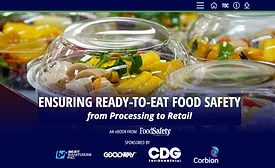
Ready-to-eat (RTE) foods come with heightened food safety risks due to their lack of a final kill-step, leaving them susceptible to foodborne pathogens like Listeria monocytogenes. To help food firms control RTE food safety risks at all steps of the supply chain, this eBook provides solutions related to plant sanitation and hygiene, temperature abuse, culture, and more.
 RSS
RSS